
Navigating the Wellness Gadget Market: What Works and What Doesn't
Not every wellness gadget is worth your money, but the right ones, matched to problems you actually have, can make a real difference. My top three for the biggest daily impact: a massage gun, a light therapy lamp, and a sleep tracker. Start there and add the rest only if they solve a genuine need in your routine.
4/25/20264 min read

Overview
The wellness gadget industry is overflowing with items that claim to revolutionize your life and improve your health. Yet, notwithstanding these ambitious promises, numerous flashy devices often end up gathering dust in drawers after just a few weeks of usage. My experience with a variety of products has made me familiar with both the cutting-edge tools that genuinely boost well-being and the gadgets that merely seek out a problem they can solve.
Spotting Authentic Wellness Gadgets
In a market filled with overly marketed products, it’s vital to pinpoint gadgets that offer real advantages. Items like heart rate monitors, fitness trackers, and smart scales have consistently demonstrated their value. They present actionable insights that enable users to make educated health choices. For example, fitness trackers encourage regular exercise routines by giving a clear visual of progress. This data-centric method promotes accountability and may lead to lasting lifestyle alterations.
Identifying Warning Signs in Wellness Gadgets
Conversely, many gadgets are simply clever marketing disguised in appealing designs. These include products that assert they can detoxify through frequency transmission or guarantee weight loss with little effort. Features that seem too good to be true usually are. Furthermore, the lack of peer-reviewed research validating health benefits should be regarded as a warning sign. Items without scientific validation can quickly become costly decor rather than effective wellness tools.
Morning Routine
Light Therapy Lamp
If you find yourself in places with long winters or have trouble with morning energy, a light therapy lamp can be a straightforward and effective enhancement. It simulates natural sunlight and can assist in balancing your circadian rhythm, enhancing your mood, and increasing your alertness, particularly during the gloomy winter months. Use it for 20–30 minutes while having breakfast or working at your desk. Opt for a 10,000 lux lamp that provides UV-free output.
Is it worth the cost? Definitely, especially if you notice seasonal drops in energy or mood.
Smart Water Bottle
Most of us are aware that we should hydrate more. A smart water bottle tracks your consumption throughout the day and sends gentle nudges when your intake lags. Some light up, some connect to an app, and others simply have time markers on the side. Though the tech versions are nice, even a well-crafted bottle with hourly indicators can suffice.
Is it worth it? Yes, if you truly struggle with hydration. If you’re already drinking enough water, feel free to skip it.
Smart Scale
A smart scale does more than just measure weight. The better ones estimate body fat percentage, muscle mass, bone density, and water weight, syncing all the information to an app so you can monitor trends over time. The crucial aspect is "trends." Avoid getting fixated on daily changes. Focus on the overall picture over weeks and months.
Is it worth it? Yes, for anyone interested in tracking their fitness journey. The trend data holds significantly more value than just one number.
Workday
Posture Corrector
If you spend many hours at a desk, your posture likely suffers. Posture correctors, which can be either wearable devices that vibrate when you slouch or simple braces that hold your shoulders back, can help retrain your muscle memory over time. They’re not magical solutions, but regular usage alongside stretching genuinely makes a difference.
Is it worth it? Moderately. It’s a useful training aid, but not a permanent solution. Pair it with frequent movement breaks.
Air Quality Monitor
You can’t improve conditions you aren’t aware of. An air quality monitor measures particulate levels, CO2 concentration, humidity, and temperature in your workspace. Elevated CO2 levels (common in enclosed spaces) can lead to fatigue and cognitive fog. Observing the data often prompts you to open a window or turn on a fan.
Is it worth it? Yes, particularly for remote employees who spend 8+ hours in a single room.
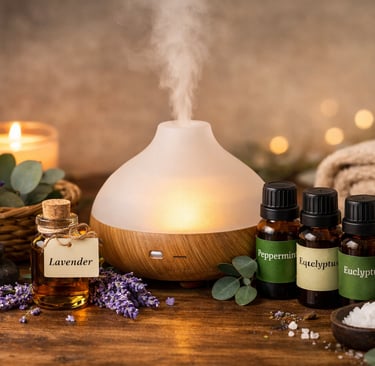
Aromatherapy Diffuser
An essential oil diffuser can enhance the smell of your workspace or home, and specific scents (like peppermint, eucalyptus, and citrus) may help with concentration and alertness. To clarify, many "therapeutic" claims associated with essential oils can be exaggerated, but the ambient impact is genuinely soothing and calming.
Is it worth it? A nice addition, though not essential. If you appreciate aromas and find them relaxing, it’s a worthwhile purchase.
Meditation Headband
Meditation headbands utilize EEG technology to monitor your brain activity and provide real-time audio feedback to maintain your focus during meditation. They represent the priciest item on this list, but if forming a meditation routine has been challenging for you, the guided biofeedback could distinguish between feeling like you’ve meditated and actually realizing your mind has settled.
Is it worth it? For dedicated meditators or those who find it difficult to remain still, yes. For casual interest, a free app is sufficient.
Evening & Recovery
Massage Gun
Massage guns have surged in popularity, and honestly, they deserve it. After workouts, extended work hours, or simply dealing with general tension, a percussive massage gun alleviates muscle knots and soreness in minutes. You don’t need the high-end $400 model. Mid-range options ($80–150) offer excellent functionality with various speed levels and interchangeable heads. [Affiliate Link: Percussion Massage Gun on Amazon]
Is it worth it? Certainly. This is the one gadget on this list that nearly everyone I’ve recommended continues to use months later.
Acupressure Mat
An acupressure mat consists of a foam base adorned with hundreds of tiny plastic spikes. Lying on it for 15–20 minutes helps many individuals achieve profound relaxation and relieve back tension after getting through the initial "intense" sensation. It may not be suitable for everyone. The feeling requires getting accustomed to, but at $20–40, it’s a low-risk opportunity to try.
Is it worth it? Surprisingly, many find it beneficial. Commit to a week of regular use before making a final decision.
Sleep Tracker / Smart Alarm Clock
Wearable sleep trackers (such as rings or watches) or smart alarm clocks positioned by your bedside keep tabs on your sleep cycles and rouse you during your lightest sleep phase within a selected timeframe. The contrast between waking up during deep sleep and light sleep is significant. It defines the difference between feeling groggy and refreshed.
Is it worth it? Yes, especially if inadequate sleep impacts your daily life. The data itself, which reveals how much deep sleep you’re truly receiving, can encourage meaningful adjustments.
Contact
Get in touch for questions or collaborations. Avi Cha
Phone
Maplefixpro.ca@gmail.com
+1-647-916-5573
© 2026 Smarteryouu. All rights reserved. Some images on this site are AI-generated for illustrative purposes