
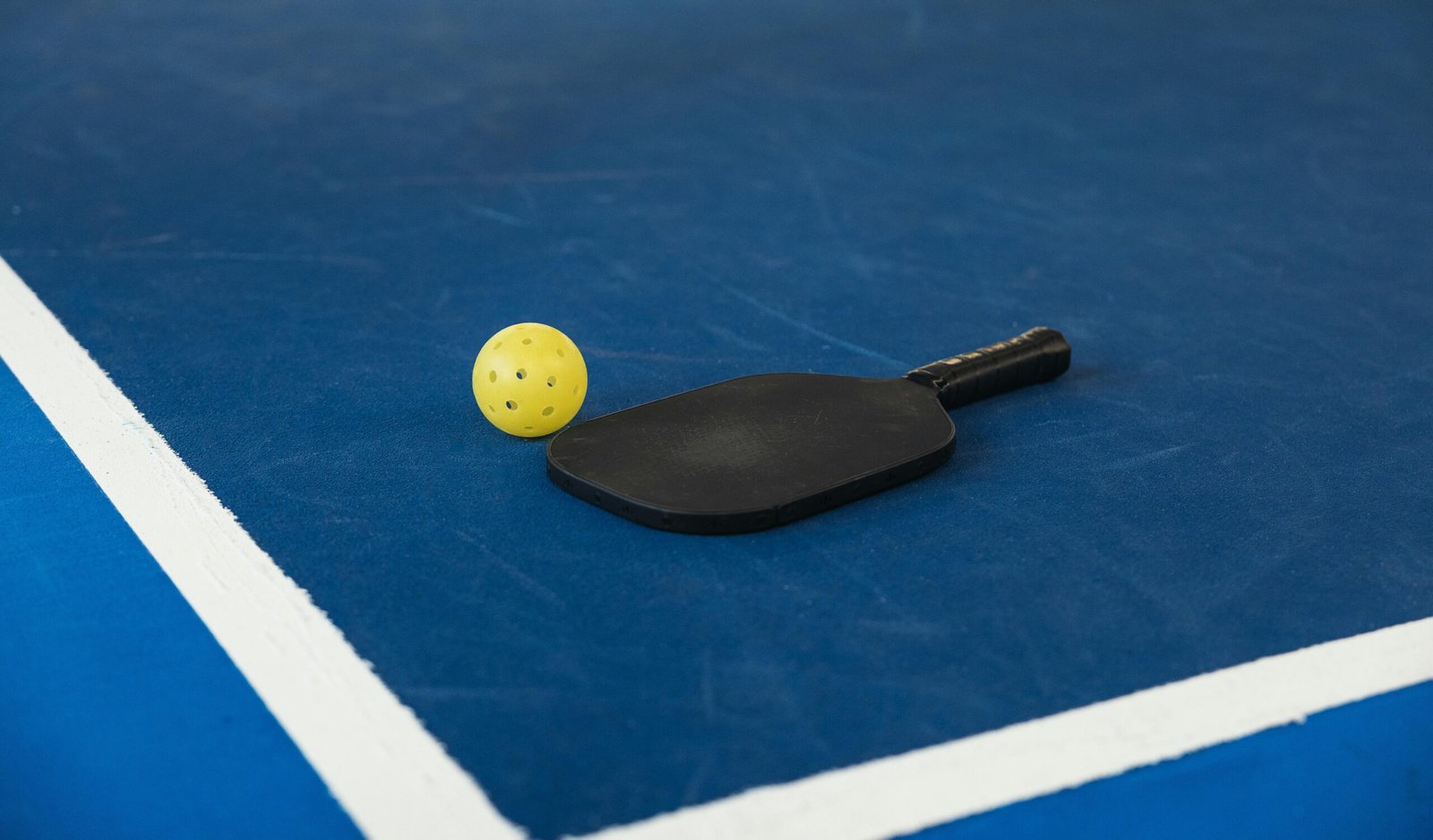
Pickleball Benefits for Health, and What It Costs to Start
As an Amazon Associate I earn from qualifying purchases. Some links in this post go to Amazon and may earn me a small commission at no extra cost to you.
Last Updated on October 3, 2026 by Smarteryouu
⭐ Pickleball Benefits for Health, and What It Costs to Start
The pickleball benefits for health that get listed online are usually a list of twelve things with no sense of which ones matter. In practice the sport does three things well and the rest follow from those. It gets people moving who would not otherwise move, it is social in a way that almost no other exercise is, and the barrier to a first game is remarkably low. I have been exercising for over a decade and most of that has been alone in a room, which is exactly why a sport like this is worth taking seriously. What follows is what it is genuinely like for a beginner, what it costs, who it suits, and the mistake that sends new players home with a sore shoulder.

⭐ What Does Pickleball Actually Do for Your Fitness?
An hour of doubles is roughly an hour of moderate activity, broken into short bursts with pauses between. It generally supports the same things any moderate activity supports, which the World Health Organization sets out by age group, and it trains balance and reaction in a way that walking does not.
The stop and start pattern is the interesting part. You are moving hard for a few seconds, resting for a few, then moving again, which is closer to interval training than to a steady walk without feeling like either.
Balance and quick direction changes are the other genuine benefit, and they are the ones hardest to get from a home routine. Standing still and reaching sideways in a hurry is a skill, and it fades if nothing asks for it.
What it does not do is build strength. A sport is not a substitute for that, so treat it as the enjoyable half of a week that also contains something like our home exercise circuit.
It is also gentler than it looks from the sidelines. Points are short, there is a pause between each one, and nobody is sprinting the length of a tennis court. That is why people who have not played a sport in twenty years can finish an hour without feeling wrecked.
⭐ The Social Side, Which Is Half the Point
This is the thing that makes pickleball different from everything else on this site, and it is why people keep playing when they abandoned the gym.
Doubles is the default format, so you turn up and are put into a group. That removes the two obstacles that stop people joining sports clubs, which are needing a partner and needing to already be good.
Sessions tend to rotate players between games, which means you meet several people in an hour rather than one. Most local groups run open sessions where turning up alone is normal rather than awkward.
The practical effect is attendance. An arrangement to meet people is far harder to skip than a plan to exercise alone, and that is worth more than any physiological benefit on the list.
The learning curve helps too. Most people can rally within their first session, which is not true of tennis or squash, and being able to play rather than practise from the very first hour is a large part of why people come back.
⭐ Is Pickleball Easier on the Joints Than Tennis?
Generally yes, because the court is smaller, the ball is lighter and slower, and the paddle is shorter than a tennis racket. You cover less ground, swing less hard, and the ball arrives with less pace. It is still a sport with sudden movements, so it is not impact free.
The smaller court is the main reason. Less running means fewer sprints and fewer sudden stops, which is where most racket sport strain comes from.
The lighter ball matters for shoulders and elbows. A plastic ball simply does not need the racket head speed that a tennis ball does, so the swing is gentler.
That said, people do get hurt, usually by reaching backward for a lob or by twisting on a bad shoe. Neither is a reason to avoid the sport, and both are largely avoidable.
The paddle being shorter than a tennis racket matters more than it sounds. A shorter lever means less strain travelling up into the elbow and shoulder, which is why elbow trouble is less common here than in tennis even among people who play often.
⭐ What Does It Cost to Start?
A beginner paddle and a set of balls costs somewhere between forty and eighty dollars, and court shoes if you do not already own a flat soled pair. Many clubs lend paddles for a first session, so the honest starting cost for trying it is often nothing at all.
That is genuinely the whole barrier, which is unusual for a sport. Compared with the cost of most home equipment, a paddle is a small commitment.
Do not buy an expensive paddle first. Beginners cannot feel the difference between a sixty dollar paddle and a two hundred dollar one, and the expensive ones are tuned for a style you have not developed yet.
Court fees vary and are often small or free at public courts. Borrow a paddle, play three times, and only then decide whether to buy anything at all.
Compare that with the cost of anything else that gets you moving twice a week. A year of pickleball with a borrowed paddle and a public court can cost less than one month of a gym membership, which is unusual for a sport with an actual social life attached.
⭐ Who It Suits, and Who It Does Not
It suits people who find solo exercise dull, people returning to sport after years away, and anyone who wants activity that comes with company attached.
It suits a wide age range better than most sports, because the small court means positioning and touch beat speed. That is why you regularly see players in their sixties beating players in their thirties.
It suits you less if you want to build strength, if you dislike competitive settings, or if getting to a court is a journey you will resent within a month.
And it is an addition rather than a replacement. Two sessions a week is a good social and cardio habit, and it still leaves the strength work to be done at home.
⭐ What Should a Beginner Buy First?
Court shoes before a paddle. Most clubs will lend you a paddle, nobody will lend you shoes, and footwear is where beginner injuries come from. Running shoes are built to move forward and grip poorly on sideways movement, which is most of what this sport involves.
This is the piece of advice that gets ignored, because a paddle is the exciting purchase. A twisted ankle in week two ends the experiment faster than any equipment choice.
When you do buy a paddle, pick a mid weight one in the middle of the price range. Very light paddles need more of your own arm speed and very heavy ones tire the shoulder.
Buy a pack of outdoor balls if you play outdoors. Indoor and outdoor balls differ in hole size and hardness, and the wrong ones behave strangely in wind.
⭐ Common Beginner Injuries and How to Avoid Them
The classic is backpedalling for a lob, losing balance and falling backward. Turn and run rather than walking backward, which is what every experienced player does without thinking about it.
Shoulder soreness is the second, and it usually comes from swinging as though the ball were heavier than it is. The plastic ball needs far less than you expect.
Warm up before playing rather than starting cold, particularly if you have driven to the court. Five minutes of easy movement is enough, and our morning routine for beginners covers the same movements.
Stretch afterward, particularly hips and calves, since sideways movement asks a lot of both. Our gentle exercises to do before bed work well on a match evening.
⭐ Best Sellers
Top Products and Picks
These four are what a beginner needs, in the order that matters rather than the order that is exciting.
- Court shoes with a flat, wide sole. Buy these first, before a paddle. Running shoes grip poorly on sideways movement, and footwear is where most beginner injuries come from.
- A mid weight beginner paddle. Buy after two or three borrowed sessions. Something in the middle of the price and weight range suits a beginner better than anything expensive.
- A pack of outdoor balls. Cheap, and worth owning your own so you are never the person who turned up without any. Check indoor versus outdoor before ordering.
- Protective eyewear. Optional at recreational level and genuinely worth it in doubles, where the ball travels fast at close range and reaction time is short.
⭐ Final Thoughts
The best thing about pickleball is not on any list of benefits. It is that people keep turning up, because someone is expecting them.
Treat it as the enjoyable half of your week rather than the whole plan. It will not build strength, and a couple of short sessions at home alongside it covers what the court does not.
Borrow a paddle for the first three sessions and buy shoes rather than equipment. That order will save you both money and an ankle.
Find a local open session and turn up alone. That is how almost everyone starts, and it is far less awkward than it sounds. There is more across home exercising, our outdoor and garden pages, and the rest of Smart Living Essentials.
⭐ Additional Resources
For how much activity is generally recommended by age group, the World Health Organization publishes a fact sheet on physical activity that gives the numbers without prescribing a program.
The Canadian Society for Exercise Physiology takes a wider view across the whole day in its 24 hour movement guidelines, which cover activity alongside sitting time and sleep for each age group.