
As an Amazon Associate I earn from qualifying purchases. Some links on this page go to Amazon and may earn me a small commission at no extra cost to you.
⭐ Which Ones Are Actually Worth the Premium
Where the difference is obvious
Carrick Bros Organic Ontario Maple Syrup, Grade A, 375 mL
Real maple syrup and the pancake syrup sitting beside it on the shelf are not the same product. One is sap boiled down, the other is mostly corn syrup with flavouring. Three hundred and seventy five millilitres is the size you finish, rather than the litre that ends up crystallised at the back of a cupboard.
For finishing, not for frying
Morocco Gold Cold Pressed Extra Virgin Olive Oil, 500 ml
The polyphenol figure on this one is a freshness measure rather than anything else. High polyphenol oil tastes peppery at the back of the throat, and that peppery quality fades as oil ages, which is why a cheap supermarket bottle tastes of almost nothing. Keep this for salads and finishing. Fry with something you do not mind wasting.
If you are already buying it
Organika Enhanced Collagen Peptides, Unflavoured, 500 g
Five hundred grams works out at about fifty servings, so a tub lasts roughly two months at a scoop a day. The reason to choose unflavoured is that it dissolves into coffee without changing how the coffee tastes. A flavoured one you do not like is a tub you abandon in week three.
⭐ Organic Products: Honest Guides for Cleaner Everyday Living
Organic products have gone from one small corner of the grocery store to a whole aisle, and that growth has brought a lot of noise with it. Labels promise more than they can deliver. Prices swing widely for what looks like the same jar. It is easy to spend real money on a switch that was never worth making. This section of the site exists to make that simpler. Everything here starts the same way. I buy the item, use it in my own kitchen or my own home for weeks, and then write down what actually happened. Sometimes the honest answer is that the regular version was fine and the money is better spent somewhere else. Below you will find guides on reading certification labels, building a pantry slowly, choosing oils and snacks, and knowing which categories genuinely reward the upgrade. Start anywhere. Nothing here assumes you are changing your whole life this week.
⭐ What the Seal on the Package Actually Guarantees
The single most useful thing to understand early is that certification is a promise about farming, not a promise about nutrition. When a package carries the USDA seal or the Canada Organic logo, it means the farm and the processor met a written standard, were inspected, and can be traced. Synthetic pesticides, artificial fertilizers, genetically modified ingredients and routine antibiotics in animals are all outside that standard.
What the seal does not do is promise the food is more nutritious. That is a separate question, and the research on it is genuinely mixed rather than settled. Anyone who tells you flatly that organic food has more vitamins is going further than the evidence goes. It is worth knowing that before you start reorganizing your grocery budget around it.
Words like natural, green and farm fresh are not certified terms at all. Nobody checks them. If a jar carries one of those words but no seal, you are reading marketing copy. The guide on where the organic switch is worth it and where it is not goes through this in more detail, including which claims hold up under scrutiny and which ones quietly do not.
⭐ Where the Upgrade Is Worth Paying For
Not every item on the shelf rewards the switch equally. Thin skinned produce that you eat whole absorbs more of what is sprayed on it, and washing does not remove all of it. Berries, leafy greens, apples, tomatoes and fresh herbs sit in that group. So do things you consume in concentrated form, like coffee and olive oil, where whatever was in the crop ends up in the cup or the bottle.
At the other end there are foods with a thick skin you throw away. A conventional banana, avocado, pineapple or orange gives you very little benefit for the extra cost. The same is true of most frozen vegetables, dry pasta, rice and canned beans, which are low residue items to begin with.
Sorting your shopping this way is the single change that saves the most money. You end up buying organic in six or seven categories instead of thirty, and the total bill barely moves.
⭐ Starting in the Kitchen You Already Have
Most people who want a cleaner kitchen start by replacing food, which is the expensive way round. The cheaper starting point is the equipment and the storage, because you buy those once and then stop thinking about them.
Glass containers instead of scratched plastic. A wooden board kept for produce and a separate one kept for raw meat. Cloth towels that go in the wash instead of a roll of paper. Cleaning products that carry a real certification rather than a green looking label. None of these are dramatic, and all of them last for years. The guide to organic kitchen essentials covers the tools, the storage and the cleaning side of this, which is deliberately kept separate from the food itself.
⭐ Building a Pantry Slowly Instead of All at Once
A pantry is built one shelf at a time, usually as things run out. That is the part most guides get wrong. They present a shopping list of forty items and quietly assume you are going to buy all of them on a Saturday.
The realistic version is that you replace what you use most first. Oats, rice, lentils, a decent olive oil and whatever spice you reach for every week. Once those are settled you barely think about the pantry again for months. The post on building an organic pantry works through the order to do it in, how long each staple actually keeps, and how to store things so you are not throwing food away.
If cost is the thing holding you back, that is a fair concern and there is a separate post on eating organic on a budget that deals with it head on rather than pretending the price difference is imaginary.
⭐ The Everyday Swaps That Get Used Most
Some changes get used every single day, which is why they are worth more attention than a jar you open twice a year. Cooking oil is the clearest example. It goes into almost everything, so the quality of the bottle matters more than the quality of most single ingredients. There is a full guide on choosing and using olive oil, including what the grade names on the bottle actually mean and where the smoke point advice you have read online tends to be overstated.
Snacking is the other daily habit worth looking at, mostly because it happens without much thought. Swapping a packet of fried snacks for nuts and dried fruit is a small change that you repeat several times a week, and the guide on choosing dried fruit and nuts covers what to look for on the back of the bag, including added sugar and oils that are easy to miss.
⭐ How Anything Gets Recommended Here
Nothing appears on this site because a brand asked. The process is unglamorous. I buy the thing, use it for long enough to form a real opinion, and write down what happened, including the times it went back to the store.
That has a few consequences worth stating. Some popular items are not here, because I have not used them. Some things get a recommendation with a caveat attached rather than a clean endorsement. And where a widely repeated claim is weaker than it sounds, the post says so, which is not always the most flattering thing to write about something sitting in my own kitchen cabinet.
If you want the wider view rather than the food specific one, the wellness and organic living section covers habits and routines rather than products.
⭐ What Usually Goes Wrong in the First Month
The most common mistake is buying too much at once. There is a particular kind of shopping trip where everything gets replaced in a single afternoon, and it almost never sticks. Half of it does not get used, some of it turns out to taste different enough that nobody in the house wants it, and the cost lands in one lump that makes the whole idea feel like a mistake.
The second mistake is treating it as an all or nothing standard. People decide they are going to be strict about it, slip once, and quietly give up. Nothing here works that way. Buying certified apples and conventional bananas in the same basket is not a failure of principle, it is just sensible shopping.
The third is storing new things the same way as the old ones. Better oil goes rancid faster in a clear bottle near the stove. Nuts and dried fruit without preservatives really do have a shorter window. Flour and grains bought in larger bags need a sealed container rather than a folded over paper sack. None of this is difficult, but it is where the money quietly leaks out if you skip it.
If any of that sounds familiar, it is because most of these were mine. The guides underneath this page are written from the wrong turns as much as the right ones.

⭐ Best Sellers
Top Products and Picks
- A certified organic extra virgin olive oil in a dark bottle, because it is the one item on this list that ends up in almost every meal.
- A set of glass storage containers with sealing lids, which quietly replaces most of the plastic in a kitchen and does not stain or hold smells.
- Organic rolled oats in a large bag, the cheapest per serving switch on the list and the one most people already eat several times a week.
- A simple airtight canister set for dry goods, which is what stops a slowly built pantry turning into a shelf of half open bags.
⭐ Final Thoughts
There is no finish line here, and that is meant as a relief rather than a disappointment. A kitchen that works well is one you built slowly, mostly by replacing things as they wore out and paying a little more attention on the way. It does not need to be finished by the end of the month.
The reason this section exists is that the market around cleaner living is loud and often unhelpful, and it is easy to feel behind. You are not. Most of the meaningful difference comes from a handful of choices you repeat every day, and almost none of it comes from the items people argue about online.
Pick one shelf. Change what is on it when it runs out. Come back in a month and pick another. That is the whole method, and it works better than a weekend spent replacing everything at once, which mostly ends in a full cabinet and a lighter wallet.
⭐ Additional Resources
If you want to read the standards themselves rather than a summary of them, the United States Department of Agriculture page on the organic seal explains what the mark is, how its use is protected, and what a producer has to do before they may print it.
For readers shopping in Canada, the Canadian Food Inspection Agency guidance on organic food labels sets out which foods may carry an organic claim, who certifies them, and how the claim is enforced.
🏡 Smart Home; 🏋️ Home Exercising; 🌿 Wellness & Organic Living; 🚗 Automobiles Essentials; ⭐ Best Sellers; 🏕️ Outdoor & Camping; 🛠️ Home Improvement; 🛋️ Home Decor Inspiration; 🧹 Storage & Organization; 🌱 Organic Products; ✈️ Travel Essentials; 🧰 DIY Tools; 🪑 Outdoor & Patio Furniture.
-
What Does Canada Organic Mean? How to Read an Organic Label in the Store
Last Updated on October 2, 2026 by Smarteryouu ⭐ What Does Canada Organic Mean? How to Read an Organic Label in the Store Organic products usually cost more, so it is fair to want to know exactly what that word on the package is promising. Standing in a grocery aisle, though, the labels can be…
-
Organic Kitchen Essentials: The Tools, Storage and Cleaning Basics That Last
Last Updated on October 2, 2026 by Smarteryouu ⭐ Organic Kitchen Essentials: The Tools, Storage and Cleaning Basics That Last Most people who want a cleaner kitchen start by changing the food, which is the expensive way round and the one that runs out of steam quickest. Organic kitchen essentials are the other half of…
-
Benefits of Organic Products: Where the Switch Is Worth It and Where It Is Not
What the seal actually promises, which claims hold up and which are weaker than they sound, and the short list of foods where the upgrade is worth paying for.
-
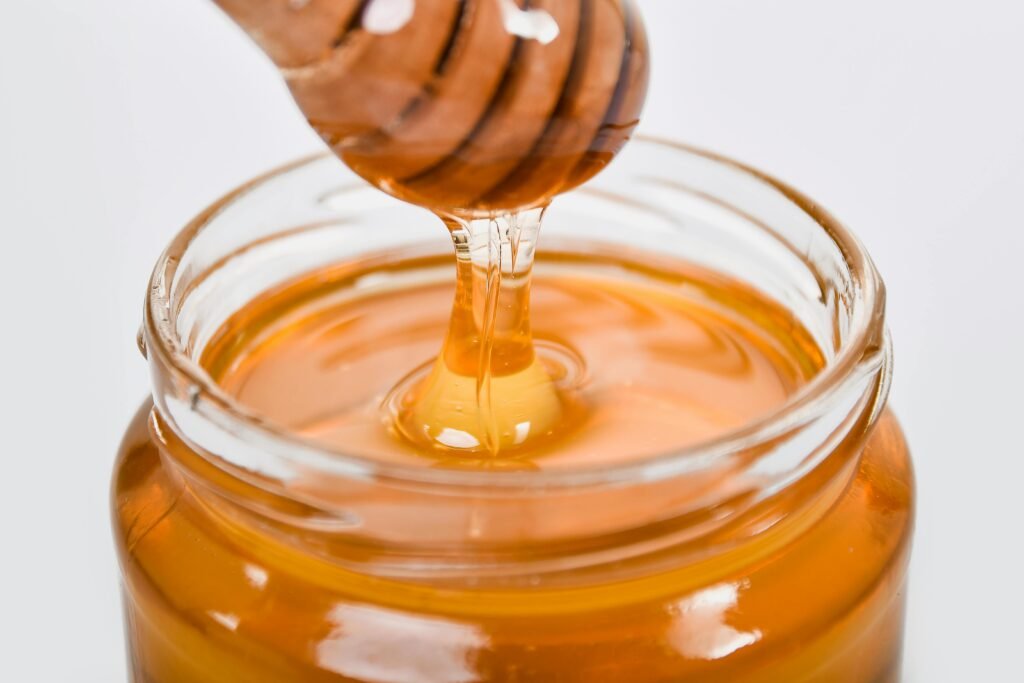
Benefits of Manuka Honey: What the UMF and MGO Numbers Actually Mean
Last Updated on October 3, 2026 by Smarteryouu ⭐ Benefits of Manuka Honey: What the UMF and MGO Numbers Actually Mean The benefits of manuka honey are talked about constantly and explained almost never, which is a problem when a small jar can cost as much as a week of groceries. Most articles list what…
-
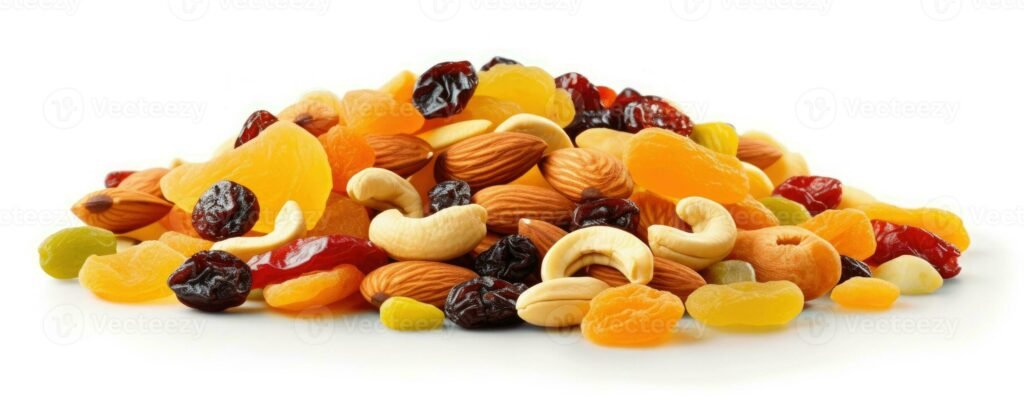
Organic Dry Fruits: How to Choose Them and What to Check on the Bag
Two bags of dried cranberries can be completely different products. What to check on the back of the bag, and why nuts go off sooner than most people expect.
-
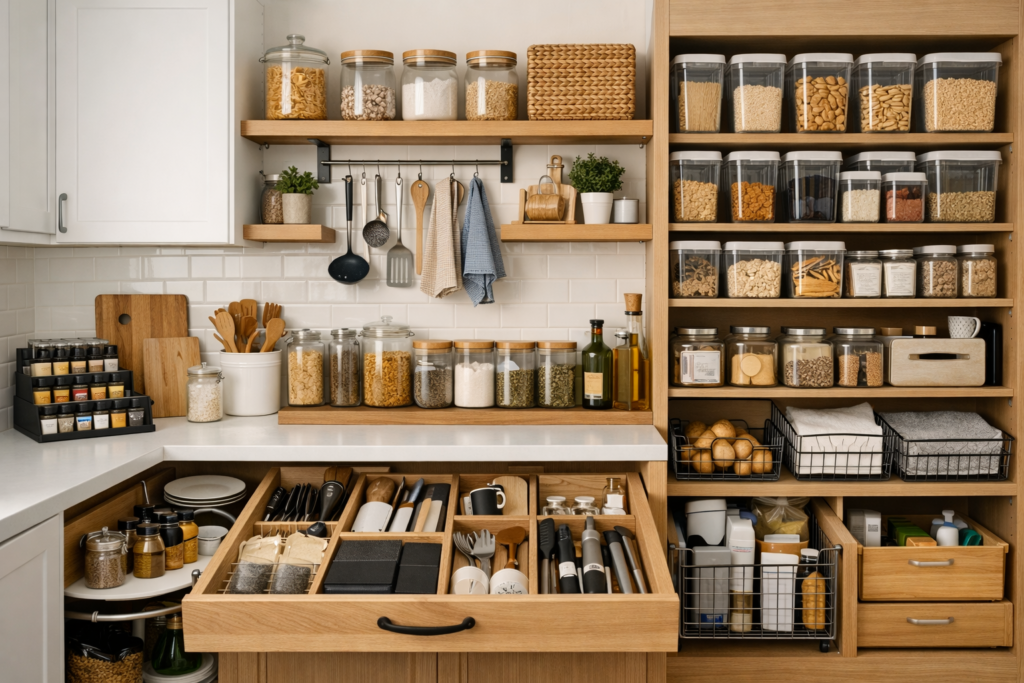
Organic Food Pantry: How to Build One Shelf at a Time
A shelf that assembles itself over a few months, not a shopping trip. What to buy first, how long each staple really keeps, and three meals that need nothing fresh.
-
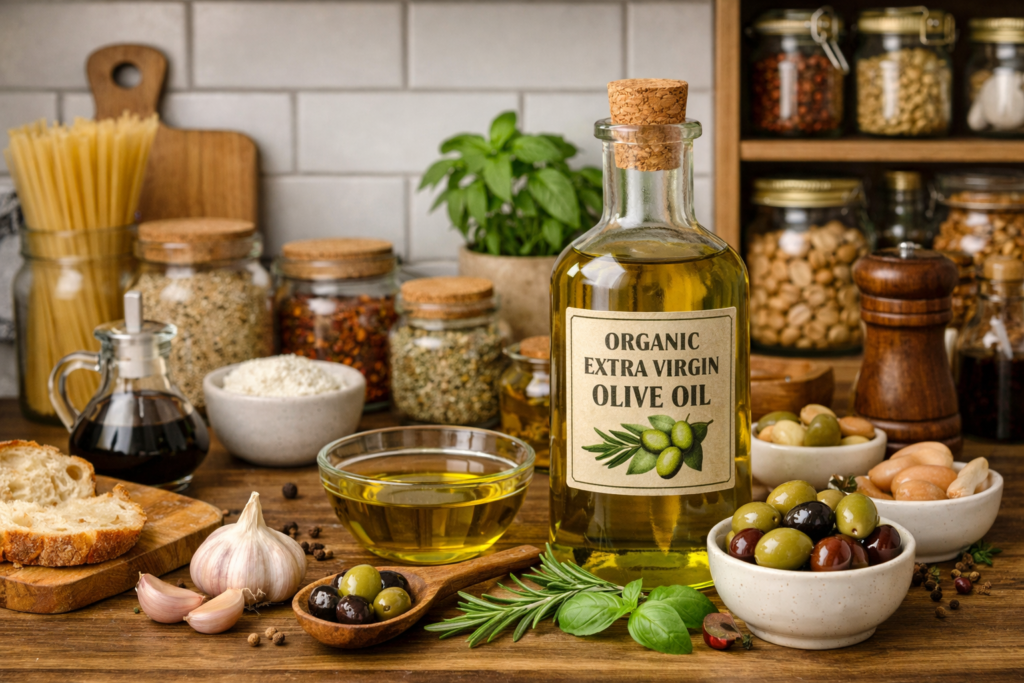
Organic Olive Oil: How to Choose a Bottle and Use It Well
Which words on the label are defined and which are decoration, why the harvest date matters more than the expiry date, and how to store a bottle so it lasts.