
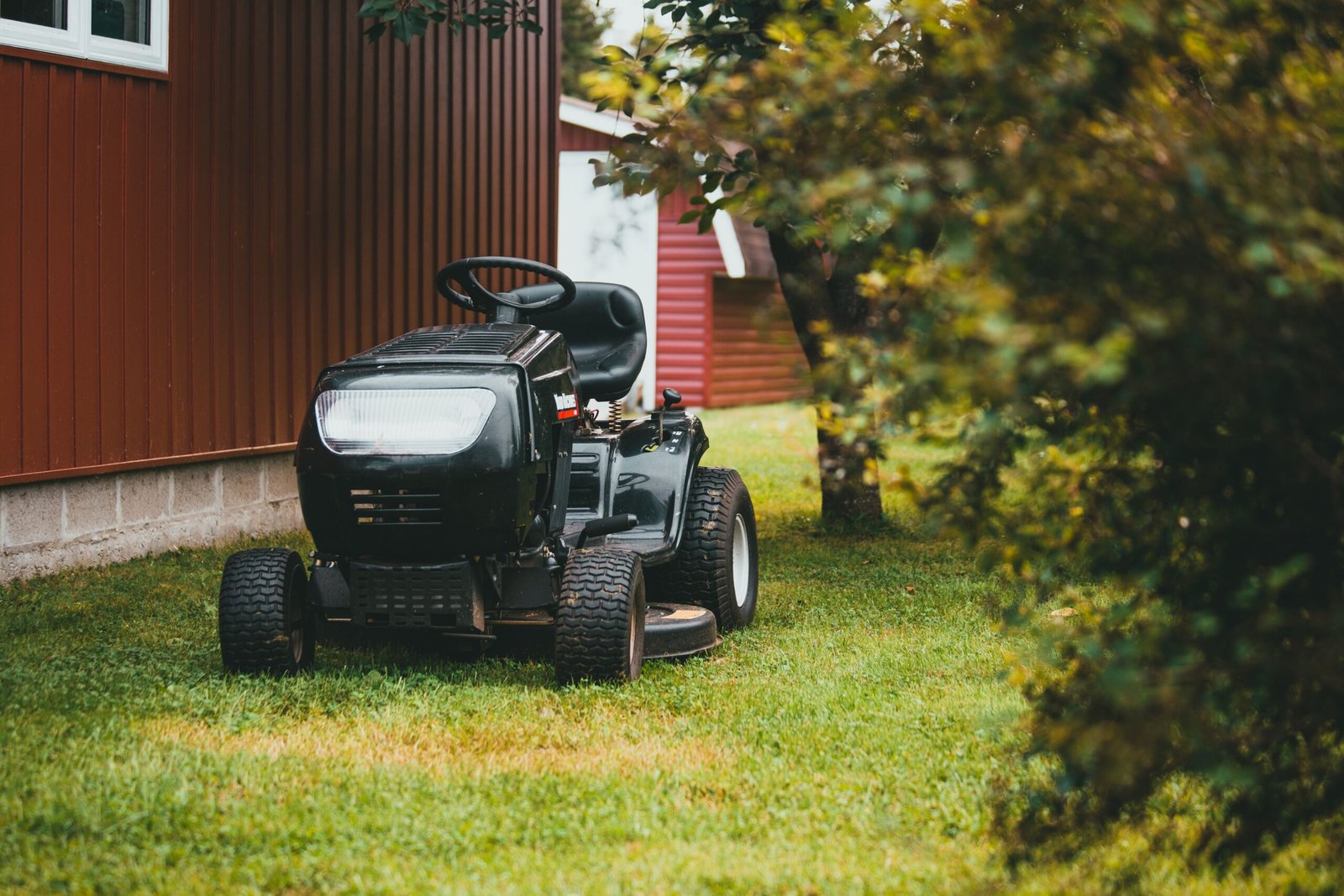
Outdoor Garden Power Tools: Corded, Cordless and What Actually Lasts
As an Amazon Associate I earn from qualifying purchases. Some links in this post go to Amazon and may earn me a small commission at no extra cost to you.
Last Updated on September 5, 2026 by Smarteryouu
⭐ Outdoor Garden Power Tools: Corded, Cordless and What Actually Lasts
Buying outdoor garden power tools feels like choosing between machines, and it mostly is not. For anything cordless, the decision that matters is which battery system you commit to, because that choice quietly determines what every future purchase costs you for the next decade. The mower is almost incidental. Get that part right and adding a trimmer later costs the price of a bare tool. Get it wrong and every addition comes with another charger and another battery you do not need. This guide covers how much machine your yard actually justifies, the honest comparison between corded, cordless and gas, why the platform outranks the tool, what the numbers on a mower box mean, and what ten years with one cordless mower taught me, including the things that got worse rather than better.

⭐ Start With How Much Ground You Are Covering
Almost all the disappointment in this category comes from buying for the wrong size of yard, in either direction.
A small city lot, the sort you can cross in twenty paces, is comfortably handled by a corded mower or a single battery. Nothing bigger is needed and a heavier machine is just harder to store and push. A quarter acre is where cordless starts wanting a second battery, or a swap partway through. Anything approaching half an acre or more, or a slope, is where gas still has a real argument, and where a self propelled machine stops being a luxury.
Two things people forget to factor in. How far the yard is from an outdoor outlet, because a corded mower is limited by cable length and dragging one around obstacles is genuinely irritating. And whether the space is flat, because slope changes the answer faster than size does.
If you are only just working out what your outdoor space needs, the outdoor and garden section covers the rest of it, and nothing in this post is urgent for a first season.
⭐ Corded, Cordless and Gas, Honestly Compared
Corded is the cheapest to buy and the cheapest to keep. There is no battery to degrade, no fuel, and the power never fades halfway through. The whole cost is the cable, which limits your range, needs keeping out from under the blade, and turns tight corners into a chore. For a small flat yard near an outlet it is genuinely the sensible choice, and it is the option people skip because it feels old fashioned.
Cordless is where most of the market has gone and for good reason. It starts instantly, it is quiet enough to use early without annoying anyone, and there is no fuel to store. The costs are real though. Batteries lose capacity over years, replacements are expensive, and run time drops noticeably in cold weather. You are also buying into one manufacturer for a long time.
Gas still wins on sustained power and on large or steep ground, and it can be refueled in a minute rather than recharged in an hour. It is louder, heavier, needs oil changes, spark plugs and filters, and does not like sitting unused over a winter with fuel in it. For most suburban yards it is now more machine than the job requires.
The honest summary is that most people reading this want cordless, a smaller number would be better served by corded than they think, and gas is for a specific set of circumstances rather than a default.
⭐ The Battery Platform Is the Real Decision
This is the part almost nobody explains before somebody has already bought three chargers.
Every manufacturer builds tools around its own battery, and those batteries do not cross between brands. Once you own a mower on one system, the trimmer, blower, hedge trimmer and even the drill in the house are all cheaper if you stay on it, because you can buy the tool without a battery. Move brands and you are paying for the battery again every time.
So the question to ask in the store is not which mower is best. It is which system carries the other tools you are likely to want in five years, and whether that brand is still going to be selling batteries then.
Two practical notes. Voltage is roughly a proxy for power, but the number that decides run time is amp hours, and a higher figure means a longer run and a heavier machine. And a second battery is almost always a better purchase than a more powerful mower, because swapping takes ten seconds and waiting for a charge takes an hour.
The same logic applies to cordless tools indoors, which is worth thinking about together rather than separately. There is more on that in the DIY tools section.
⭐ Mowers, and the Numbers That Actually Matter
Cutting width is the first number on the box, and wider is not automatically better. A wide deck covers ground faster on open lawn and is awkward around beds, trees and narrow gates. Measure your gate before buying anything, which sounds obvious and catches people every year.
Cutting height is the setting that matters most and the one most people never touch. Grass cut high shades its own roots, holds moisture and crowds out the weeds that colonize bare patches. Cut short, it stresses, browns in July and hands the space to whatever wants it. Setting the deck one or two notches higher than feels right is the cheapest lawn improvement available, and it is more effective than most of what gets sold in a bottle.
Mulching, where the clippings are cut small and dropped back, is worth using rather than bagging. It returns nutrients, it saves the job of emptying a bag, and it does not cause thatch, which is the myth attached to it. The exception is when the grass has got long and wet, where clumps sit on top and smother what is underneath.
Keeping a thick lawn does most of the weed work for you, which is the argument made properly in the guide to weed control.
⭐ Trimmers, Edgers and Hedge Tools
A string trimmer is the tool that makes an average mow look deliberate. It reaches what the mower cannot, along fences, around posts and against walls, and ten minutes with one changes how the whole yard reads.
The thing worth knowing before buying is how the line feeds. Bump feed, where you tap the head on the ground to release more, is standard and occasionally maddening. Automatic feed is easier and uses more line. Whichever you get, keep spare line in the shed, because running out mid job is the most common reason a trimmer sits unused for a month.
Trimmers cut string against soft tissue very effectively, so long pants and eye protection are not optional here, and neither is checking for stones before you start. The safety guidance in Additional Resources is short and worth the two minutes.
Hedge trimmers are the one tool most households should probably not own. They are used twice a year, they are awkward to store, and for one or two shrubs a pair of loppers does the job with less noise and less risk. Buy one when you have real hedge, and until then borrow or hire. Hand tools for the rest are covered in the guide to choosing garden tools that last.
⭐ What Ten Years With One Cordless Mower Taught Me
I have run the same cordless mower, a Ryobi on their eighteen volt system, since long before it was the obvious choice. It is still cutting. That is the headline, and the detail underneath it is more useful.
What has held up is the machine itself. The deck, the motor and the height adjustment are all fine. Nothing structural has failed and it starts every time, which after ten years of sitting in an unheated shed is more than I expected.
What has not held up is the batteries, and this is the honest part. The original pack was giving noticeably shorter runs by year four and was effectively finished by year six. That is normal rather than a fault, and it is the cost nobody includes when comparing prices. I am on my third set. Two of those replacements cost a meaningful fraction of what the mower did.
What I would do differently is buy the second battery on day one instead of two years in, and pay more attention to whether the platform would still be supported. It was, which was luck rather than judgment. And I would not have stored the batteries in the shed over winter, which is almost certainly what shortened the first set.
The verdict, for what it is worth. The machine outlasted its own batteries twice over, which is an argument for cordless and also an argument for reading the battery prices before the mower price.
⭐ Storing and Servicing Over Winter
Most power tool failures are storage failures rather than use failures, and the fix takes an hour once a year.
Batteries should come indoors. Cold shortens their life and a freezing shed over a long winter is the single worst thing you can do to a pack. Store them somewhere cool and dry at a partial charge rather than full or empty, and give them a top up every couple of months.
Clean the underside of the mower deck before it goes away. Compacted wet grass holds moisture against metal and that is where rust starts. Disconnect the battery or unplug it before tipping anything to reach the blade, every single time, without exception.
Get the blade sharpened once a year. A blunt blade tears grass rather than cutting it, which leaves ragged brown tips across the whole lawn and is the most common reason a lawn looks poor for no obvious reason. Most hardware stores will do it cheaply, or a second blade lets you swap and sharpen at leisure.
⭐ Best Sellers
Top Products and Picks
- A cordless mower bought as part of a battery system you will stay on, chosen for the platform rather than for the machine.
- A second battery in a higher amp hour rating, which beats a more powerful mower for the same money and turns an hour of waiting into ten seconds of swapping.
- A bare tool string trimmer on the same platform, bought without a battery, which is the whole payoff of committing to one system.
- A spare mower blade, so one can be sharpened while the other is on the machine and the lawn never gets torn instead of cut.
⭐ Final Thoughts
A lawn does not need much machinery. One mower, set higher than you think, used a bit more often than feels necessary, does almost all of the work. Everything else on the shelf is convenience.
So the money is better spent on the decision than on the specification. Pick a battery system you can live with, buy the second battery early, and keep the blade sharp. Those three choices matter more over ten years than any comparison between two mowers on the same shelf.
And if your yard is small and flat and near an outlet, buy the corded one, spend the difference on something else entirely, and enjoy never thinking about batteries at all. That is a perfectly good outcome and nobody in a store is going to suggest it.
⭐ Additional Resources
Lawn and garden equipment sends a large number of people to emergency rooms every year, most of it avoidable. The Consumer Product Safety Commission guidance on lawn and garden safety is short and covers the situations that actually cause injuries rather than the obvious ones.
For mowers specifically, the Canadian Centre for Occupational Health and Safety page on rotary power lawn mowers sets out the checks before starting, how to work on a slope, and when to disconnect power before touching the blade.