
Beginner Home Projects You Can Finish in Under an Hour
As an Amazon Associate I earn from qualifying purchases. Some links in this post go to Amazon and may earn me a small commission at no extra cost to you.
Last Updated on October 3, 2026 by Smarteryouu
⭐ Beginner Home Projects You Can Finish in Under an Hour
Not every home improvement needs a free weekend and a full toolbox. Some of the most satisfying beginner home projects take under an hour, need three or four basic tools, and change how a room looks the moment you finish. After 20 years of doing this kind of work, both for my own place and for friends, these are the small upgrades I consistently recommend to anyone starting out, because they are genuinely hard to get wrong and the results are immediate. Each one below can be done in an evening, costs very little, and builds the confidence to take on something bigger later.
⭐ Replace Old Switch Plates
This is the project I would tell almost anyone to start with. Switch plates yellow, crack, and collect grime over the years, and because your eye passes over them constantly without registering them, replacing them produces a noticeable freshening effect that is hard to trace to any one thing.
Turn the switch off first, then remove the old plate with a screwdriver, align the new one, and tighten the screws gently. Overtightening is the one mistake worth avoiding here, plastic plates crack easily, and a cracked plate defeats the entire point. Wipe fingerprints off the surface once it is mounted and you are done. Simple white plates give a clean look, matte black reads more modern, and doing every plate in a room rather than just one or two is what makes the change actually register.

⭐ Install a Modern Shower Head
A shower head swap takes ten minutes and improves something you use every single day, which is a better test of whether an upgrade is worth doing than almost anything else.
Unscrew the old head, clean the threads on the pipe, wrap plumber’s tape around them, then screw the new head on and tighten it by hand. The plumber’s tape step is the one people skip and then wonder why there is a slow drip at the connection, it costs almost nothing and prevents exactly that problem. Rainfall styles suit a more relaxed shower, handheld models are more practical if you are also rinsing the tub or washing a pet.
⭐ Add Peel and Stick Wallpaper
Peel and stick wallpaper gives you the visual impact of paint without the prep work, the drying time, or the commitment. On a small accent area or an entryway, it takes well under an hour.
Clean the wall first so the adhesive has something smooth to grip, then measure and cut your pieces, peel the backing, and smooth the paper onto the wall working from the center outward to push air bubbles toward the edges. Trim the excess with a utility knife once it is down. The most common mistake is rushing the smoothing step, taking an extra minute per panel is what separates a clean finish from one with visible bubbles.
⭐ Update Cabinet Knobs
Changing cabinet hardware is the fastest way to modernize a kitchen or bathroom without touching the cabinets themselves. Worn brass knobs on otherwise fine cabinets make the whole kitchen read as dated.
Remove the old knobs, clean the cabinet surface where they sat since there is usually a ring of built up grime, align the new hardware, and tighten the screws. Check spacing across a run of cabinets before you finish, uneven placement is more visible than people expect once you notice it. Brushed nickel reads classic, matte black feels current, and warmer gold finishes work well against darker cabinet colors.
One practical note from experience, measure the hole spacing on your existing hardware before buying replacements if you are switching to pulls rather than knobs. Not all pulls use the same spacing, and discovering that after the purchase means either drilling new holes or returning everything.
⭐ Install a Floating Shelf
Floating shelves add storage and display space without eating into floor area, which makes them ideal for smaller rooms, entryways, and bathrooms.
Mark your wall placement first, use a level to confirm it is straight before you commit to any drilling, then drill your pilot holes, attach the brackets, and slide the shelf into place. The critical part here is what you are mounting into. For anything holding real weight, find a stud rather than relying on drywall anchors alone. This is one of the most common repair calls I get from friends, and it almost always traces back to a shelf mounted into drywall that eventually pulled free. A stud finder makes this straightforward and takes thirty seconds.
⭐ Add Felt Pads to Furniture Legs
This one barely qualifies as a project but it saves real money over time. Felt pads on furniture legs prevent floor scratches and make chairs and tables far easier to move without dragging.
Clean the bottom of each leg so the adhesive actually sticks, peel the backing, and press each pad on firmly. That is the whole job, and it takes a few minutes for an entire dining set. Worth doing before the scratches happen rather than after.eld model for flexibility. This simple upgrade makes your daily routine more enjoyable.
⭐ The Tools You Actually Need
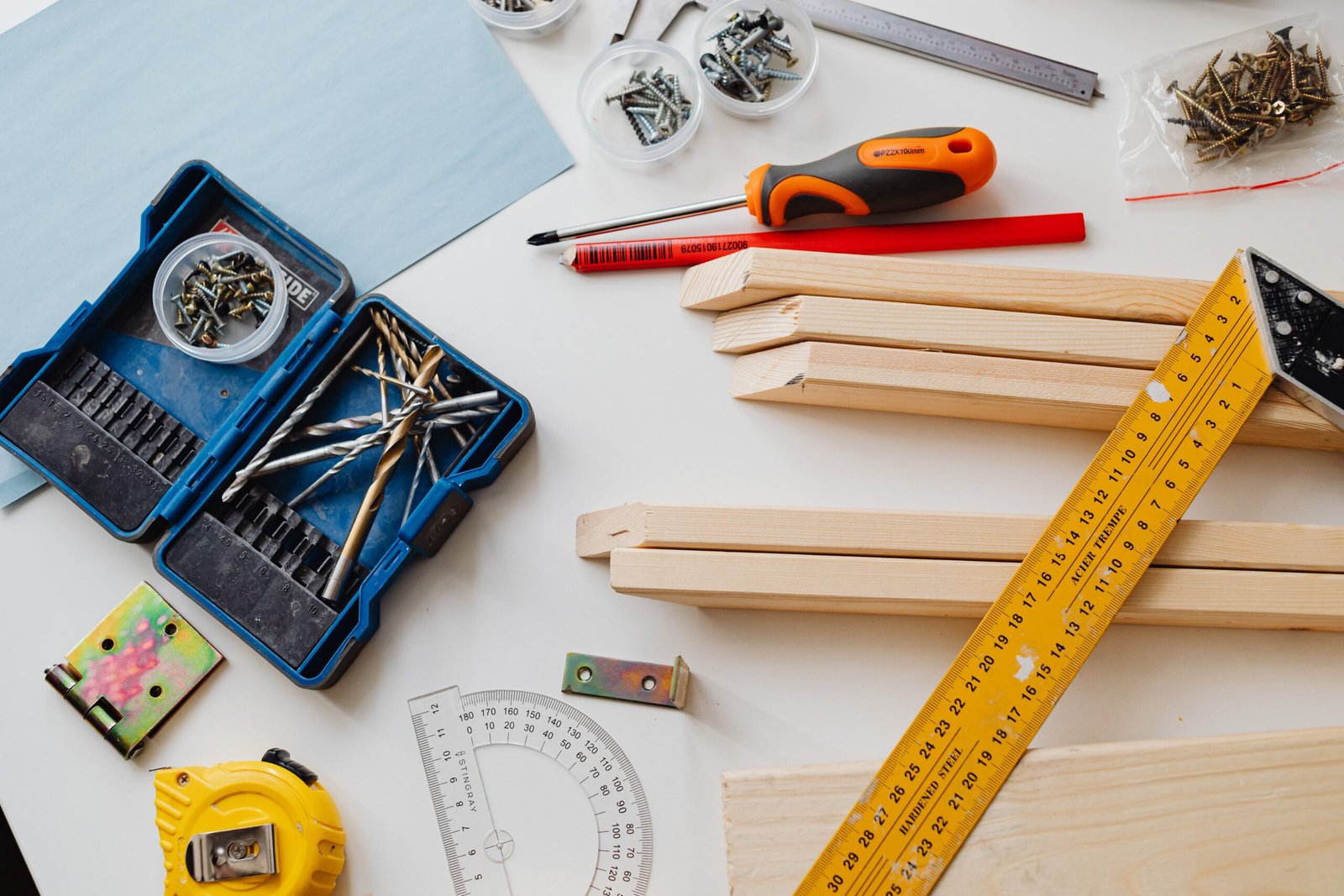
None of these projects require a full workshop. A screwdriver, a level, a utility knife, a drill, a measuring tape, and a cleaning cloth cover everything above. If you already own a basic drill and a screwdriver set, you are equipped for every project on this list. More on building out a starter toolkit is covered in DIY Tools.
⭐ Choosing Which Project to Start With
Rather than picking whichever looks most impressive, start with whatever bothers you most in daily use. A bathroom you dislike showering in benefits more from a new shower head than a floating shelf ever will. A kitchen that feels dated gets more from new cabinet hardware than from wallpaper in another room.
Ask yourself which room needs a refresh most, which small change would genuinely make daily life easier, and which upgrades actually match your style rather than a look you saw somewhere. Starting with a real annoyance rather than an abstract improvement makes the result far more satisfying, which matters for whether you keep going.
⭐ Mistakes Worth Avoiding
Even simple projects go wrong when rushed. Skipping measurements is the most common one, and it is the hardest to recover from once holes are drilled. Overtightening screws cracks switch plates and strips cabinet hardware. Ignoring the included instructions costs more time than reading them does. Buying the wrong hardware size, particularly with cabinet pulls, means a return trip or a bigger job than you signed up for. And forgetting to clean surfaces before applying anything adhesive is why peel and stick products fail early.
None of these are complicated to avoid, they just require slowing down slightly at the point where it is tempting to rush.
⭐ Why Small Projects Are Worth More Than They Look
There is a tendency to dismiss projects this small as not really counting, as though home improvement only means something when it involves demolition or a contractor. In practice, the opposite tends to be true for how a home actually feels to live in. A room where every switch plate is clean and matching, where the cabinet hardware looks current, and where a shelf sits perfectly level reads as genuinely cared for, even if nothing structural has changed.
Part of this is that small flaws accumulate quietly. One cracked switch plate does not register consciously, but eight of them across a house create a general impression of wear that is hard to point to directly. Fixing the small things removes that impression far more efficiently than a larger renovation would, and at a fraction of the cost.
The other reason these matter is momentum. Most people who take on serious home projects started somewhere small, and the confidence built by successfully finishing something simple is what makes a bigger job feel approachable rather than intimidating. Skipping straight to the ambitious project is how people end up with half finished work and a reluctance to try again.
⭐ Planning an Hour Realistically
An hour sounds like plenty until you account for everything that is not the actual work. Finding the tools, clearing the space, reading the instructions, and cleaning up afterward all eat into that time before you have touched the project itself.
The practical fix is having your tools and materials gathered before you start rather than fetching things mid task. It sounds obvious, but it is the difference between finishing a shelf install in an hour and having it stretch across an evening because you had to stop and hunt for the level. Reading through the instructions once before starting also saves time overall, particularly with anything involving mounting hardware where the order of steps actually matters.
It also helps to accept that the first time you do any of these takes longer than the second. Your first switch plate might take ten minutes, the remaining seven will take two each. Budgeting for that learning curve rather than being frustrated by it makes the whole experience considerably more pleasant.
⭐ What to Do Once These Feel Easy
Once these one hour projects stop feeling like a challenge, the natural next step is anything requiring the same skills but more time rather than more expertise. Painting a room uses the same patience and preparation as wallpapering an accent wall, just at a larger scale. Installing multiple floating shelves as a set is the same job as installing one, repeated with attention to consistent spacing.
That progression, same skills applied to a bigger surface area, tends to work better than jumping to something requiring genuinely new abilities like plumbing or electrical work. Build the comfortable foundation first, then expand outward from what you already know how to do well.
⭐ Best Sellers
Top Products and Picks
A few products that make these projects genuinely easier.
- Cabinet Hardware Set — Refreshes a kitchen or bathroom without touching the cabinets themselves.
- Peel and Stick Wallpaper — Adds pattern and texture to an accent wall in under an hour, with no prep work.
- Stud Finder — Essential before mounting a floating shelf or anything with real weight behind it.
⭐ Final Thoughts
The best thing about starting with projects this small is that finishing one makes the next one feel easy. A switch plate swap teaches you nothing complicated, but it does prove the point that improving your home does not require expertise or a lot of time.
Pick one thing this week, give it an hour, and see how the room reads afterward. Small upgrades done properly tend to build into bigger ones naturally, and a home improved in short sessions ends up feeling just as considered as one overhauled all at once. There is more along these lines in Home Improvement and Storage and Organisation.
⭐ Additional Resources
For general guidance on safe tool handling, the Canadian Centre for Occupational Health and Safety is a reliable resource worth reviewing.