
The Small Repairs I Get Asked to Fix Most Often, and What Actually Fixes Them
As an Amazon Associate I earn from qualifying purchases. Some links in this post go to Amazon and may earn me a small commission at no extra cost to you.
Last Updated on October 3, 2026 by Smarteryouu
⭐ The Small Repairs I Get Asked to Fix Most Often, and What Actually Fixes Them
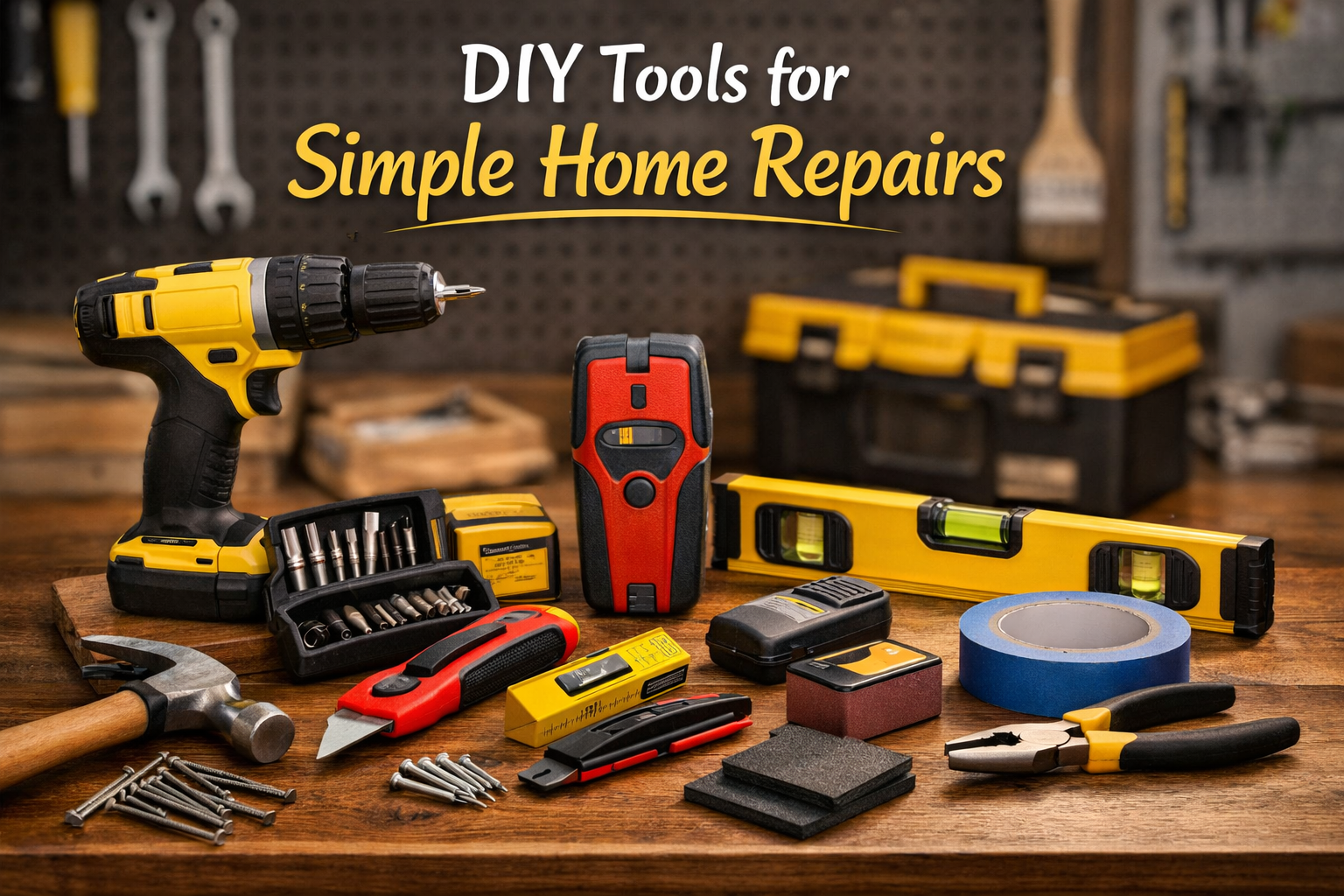
After 20 years as a handyman, doing this for my own home and for friends, a handful of the same requests come up over and over. Fixing shelves in cabinets, installing IKEA furniture, installing appliances, painting walls, drain cleaning, and replacing faucets cover most of what I actually get asked to help with. None of these are complicated once you know the right tool for the specific problem, so this is less a general tool list and more what I actually reach for when one of these comes up.
⭐ Fixing Shelves Inside Cabinets
This is one of the most common calls I get, a shelf that has come loose, is sitting crooked, or has fallen entirely inside a cabinet. Nine times out of ten, the issue is either stripped screw holes or a shelf pin that was never properly seated. A screwdriver set with the right sizes handles most of these repairs directly, and for stripped holes, a slightly larger screw or a wood filler and redrill often solves it without needing to replace the whole cabinet.
A level matters more here than people expect, a shelf that looks fine at a glance is often just slightly off, and once you actually check it, correcting that small tilt makes a noticeable difference in how solid the whole thing feels. For adjustable shelving specifically, keeping a small stock of replacement shelf pins on hand has saved me more than one repeat visit, since a missing or bent pin is an easy fix once you actually have the right part.

⭐ Installing IKEA Furniture, Properly
I have put together more flat pack furniture than I can count at this point, and the difference between a piece that stays solid for years and one that starts wobbling within months usually comes down to two things, not overtightening the initial screws before everything is aligned, and actually using the wall anchoring hardware that most people skip.
A power screwdriver speeds this up significantly over doing it by hand, particularly for larger pieces with a lot of repetitive fastening. A hex key set is essential here too, since a huge amount of flat pack furniture relies on hex hardware rather than standard screws. My actual advice for anyone assembling this kind of furniture themselves, loosely assemble the whole piece first, check that everything is square and aligned, then go back and fully tighten everything in the right order, rather than fully tightening each piece as you go, which is how most wobbly furniture ends up that way.
⭐ Installing Appliances
Dishwashers and washer dryer units come up regularly, and this is where I see the most avoidable mistakes from people attempting it themselves. Water line connections need to be tight but not overtightened, an adjustable wrench and proper pliers handle this well, and a level is genuinely critical, an appliance installed even slightly off level causes real problems over time, drainage issues with a dishwasher specifically, or uneven wear on a washer’s internal drum.
A voltage tester is something I never skip before working near any electrical connection during an install, confirming a circuit is actually off, not just assuming the breaker labeled correctly is the right one, is a basic step that prevents a genuinely dangerous mistake. For anyone attempting this themselves for the first time, my honest advice is to actually read the specific installation manual for that model rather than relying on general knowledge, hose fittings and electrical requirements vary more between models than people expect.
⭐ Painting Walls Properly
Most painting jobs I get called in for started as a DIY attempt that did not go as planned, usually because of skipped prep work rather than a bad paint choice. Painter’s tape applied properly, pressed down firmly along the edge, is the difference between clean lines and a project that needs touch up work afterward. A putty knife and some filler for any holes or dents before painting matters more than people think, painting over an unrepaired imperfection just makes it more visible once the wall has a fresh, even coat.
A sanding block smooths any filled areas before paint goes on, skipping this step is one of the most common reasons a patched spot is still visible after painting. Rollers cover the larger flat sections efficiently, while a good brush handles edges and corners a roller cannot reach cleanly.
⭐ Drain Cleaning
This is one people tend to put off until it becomes a real problem, and a lot of drain issues are avoidable with basic, regular maintenance rather than an emergency call. For a slow drain, a proper drain snake handles most clogs that a plunger alone cannot clear, and it is worth having one on hand rather than reaching for harsh chemical drain cleaners as a first option, those can damage older pipes with repeated use.
For kitchen sinks specifically, a lot of what I encounter comes down to grease buildup that solidifies over time, running hot water regularly after use, and avoiding pouring grease down the drain in the first place, prevents a large share of the clogs I get called out for. Bathroom drains tend to be more about hair buildup, and a simple drain cover or hair catcher prevents a surprising amount of that from ever becoming a real clog.
⭐ Replacing Faucets
Faucet replacement is generally more approachable than people assume, but a few tools make it genuinely manageable rather than frustrating. A basin wrench is worth having specifically for this job, reaching the mounting nuts under a sink with a standard wrench is awkward at best, and a basin wrench is built specifically for that tight space. Adjustable wrenches and pliers handle the supply line connections, and plumber’s tape on the threads prevents leaks at the connection points, a small, inexpensive step that a lot of first time attempts skip.
Turning off the water supply completely before starting, and actually confirming it is off by opening the faucet before disconnecting anything, is a basic step that prevents a genuinely messy mistake. My honest advice for anyone attempting this themselves for the first time is to take a photo of the existing connections before removing anything, it sounds unnecessary until you are staring at the new faucet’s install instructions trying to remember exactly how the old one was configured.
⭐ Best Sellers — Tools for These Specific Repairs
A handful of tools consistently come up across these exact jobs.
- Basin Wrench — Makes faucet replacement significantly easier by reaching mounting nuts a standard wrench cannot access.
- Drain Snake — Clears most clogs that a plunger alone cannot handle, without relying on harsh chemicals.
- Hex Key Set — Essential for flat pack furniture assembly, since most of it relies on hex hardware rather than standard screws.
⭐ SmarterYouu Internal Links
- Automobile Essentials
- Smart Living Essentials
- Wellness Organic Living
- Travel Essentials
- Smart Living
- Smart Home
- Outdoor Patio
- Outdoor Camping
- Outdoor Garden
- Organic Products
- Home Improvement
- Home Exercising
- Home Decor Inspiration
⭐ Trusted External Resources
- Natural Resources Canada – Energy Efficiency
- Electrical Safety Authority Ontario
- Government of Canada – Home Safety Guide
- Energy Star Canada
- Canadian Centre for Occupational Health and Safety
- Good Housekeeping
⭐ Final Thoughts
Most of the repairs I get asked to help with are not actually complicated, they just require the right tool for that specific job and a bit of patience with the prep work most people are tempted to skip. Loose cabinet shelves, wobbly flat pack furniture, appliance installs, painting, drain clogs, and faucet swaps cover a huge share of what comes up in an average home, and none of it requires a fully stocked workshop, just a handful of the right tools used properly.
⭐ Explore More
For the broader toolkit worth having beyond these specific repairs, DIY Tools covers the full essentials list, and Home Improvement goes into more general home upgrade ideas.