
How to Plant Garlic in the Fall for a Summer Harvest
As an Amazon Associate I earn from qualifying purchases. Some links in this post go to Amazon and may earn me a small commission at no extra cost to you.
Last Updated on October 2, 2026 by Smarteryouu
⭐ How to Plant Garlic in the Fall for a Summer Harvest
Most gardens are winding down by October. The tomatoes are finished, the herbs are fading, and the beds are starting to look bare. It is exactly the moment when one crop is just getting started.
Learning how to plant garlic in the fall is one of the most satisfying jobs in the whole gardening year. You plant the cloves as the weather cools, cover them up, and then do almost nothing for months. By the following summer, each small clove has grown into a full bulb.
Garlic is also one of the most forgiving crops for beginners. It needs a sunny spot, loose soil and a little patience, and it handles Canadian winters well. This guide walks through when to plant, how to choose the right garlic, how deep to set the cloves, and how to look after them until harvest next July.
Some links on this page are affiliate links. If you buy through one, this site may earn a small commission at no extra cost to you.

⭐ When Should You Plant Garlic?
Plant garlic in the fall, roughly two to four weeks before the ground freezes. In much of southern Ontario that usually means October. The cloves need time to grow roots before winter, but not so much time that they send up lots of green growth that the cold will damage.
The exact timing depends on where you live. Gardeners further north plant earlier, while those in milder coastal areas can plant later. A good rule of thumb is to plant after the first light frosts but well before the soil becomes hard.
If you miss the window, do not worry too much. Garlic planted a little late usually still grows, though the bulbs may be smaller.
Spring planting is possible, but fall planted garlic generally produces larger bulbs. The cold of winter is part of what tells the plant to divide into cloves.
⭐ Choose the Right Garlic to Plant
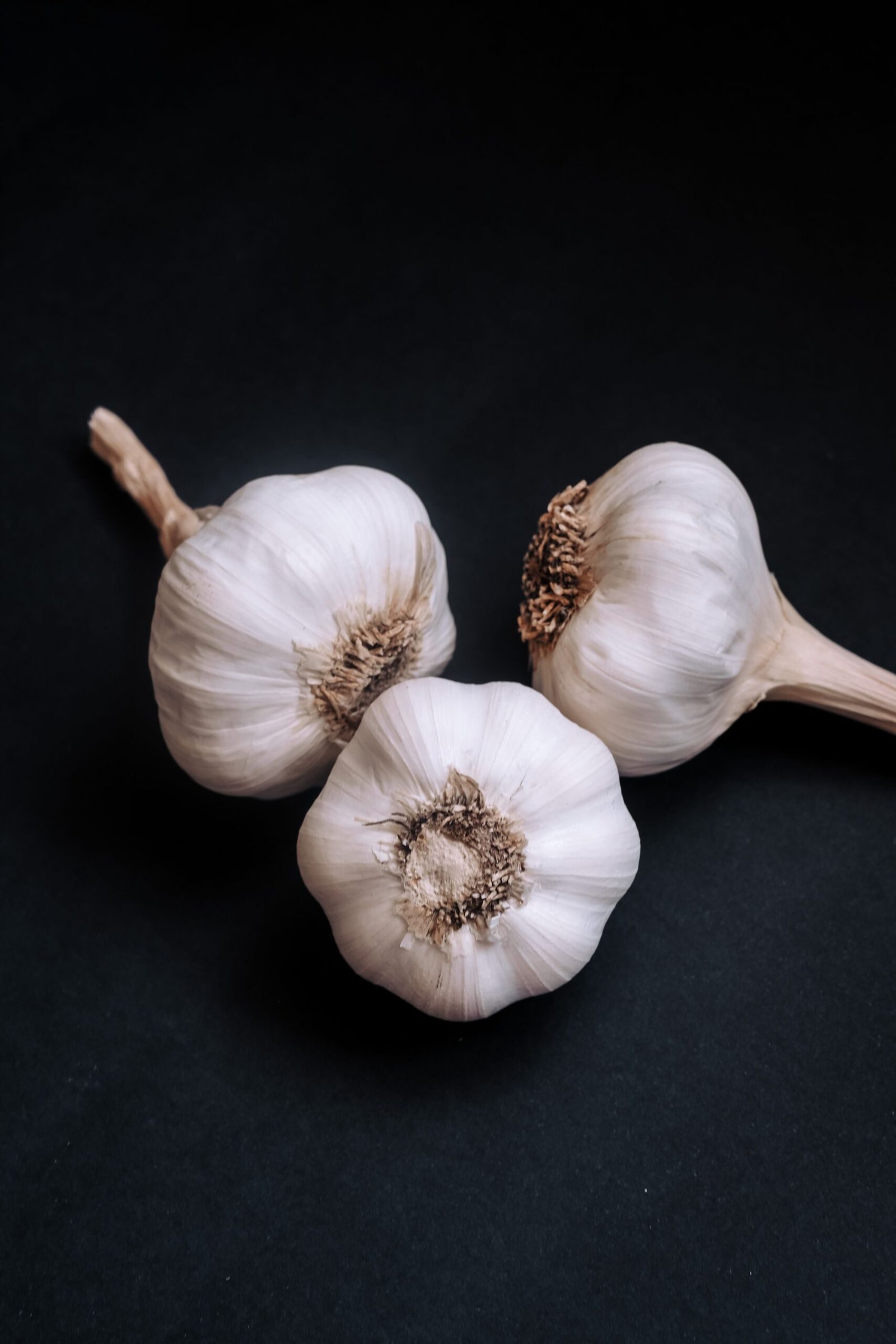
The garlic you plant decides the garlic you harvest, so choose carefully. Seed garlic sold by local garden centres, farmers markets and seed companies is the best option. It is grown to be planted and is usually suited to your region.
Grocery store garlic is tempting, but it is often grown far away in a different climate and may be treated to slow sprouting. It can still grow, but results are much less reliable.
There are two broad types. Hardneck garlic tends to do well in cold climates and produces a flower stalk called a scape in early summer. Softneck garlic is more common in milder regions and stores for longer. For most Canadian gardens, hardneck varieties are the popular choice.
Seed garlic often sells out by early fall, so it is worth ordering or buying in late summer. Keep it in a cool, dry place until you are ready to plant.
It helps to decide how much you want before you buy. Each clove you plant becomes one bulb, and a typical bulb of seed garlic holds somewhere between four and ten usable cloves depending on the variety. If your household uses a bulb a week, around fifty cloves in the ground will keep you going for most of the year.
⭐ Choose a Sunny Spot and Prepare the Soil
Garlic likes full sun and loose soil that drains well. It does not like sitting in water, especially over winter, so avoid low spots where puddles form after rain.
A raised bed is ideal if you have one, since it drains quickly and warms up early in spring. A regular garden bed works well too, as long as the soil is not heavy clay.
Before planting, loosen the soil and mix in some compost. Garlic grows slowly over a long season, and good soil makes a noticeable difference to bulb size. Pull out any weeds now, because weeds compete strongly with garlic and are much easier to remove before planting.
No garden bed? Garlic grows well in a large container, as long as it is deep, drains freely and sits somewhere sunny. Containers freeze more deeply than the ground, so move them against a sheltered wall or into an unheated garage for the coldest months.
Try not to plant garlic where onions or garlic grew the year before. Rotating crops helps keep the soil healthy. Our guide to starting a backyard garden for beginners covers choosing a location and building soil in more detail.
⭐ How Deep and Far Apart Should You Plant Garlic?
Plant each clove about 5 centimetres, or roughly 2 inches, deep with the pointed end facing up and the flat root end down. Space cloves about 15 centimetres, or 6 inches, apart, with rows around 30 centimetres, or 12 inches, apart. That spacing gives each bulb room to grow.
Break the bulb into individual cloves just before planting, not days ahead. Keep the papery skin on each clove, as it protects it in the soil.
Choose the largest cloves for planting. Bigger cloves tend to grow bigger bulbs. The small ones from the centre can go straight into the kitchen.
A bulb planter or a trowel makes quick work of the holes. Drop each clove in, cover it with soil and press down gently. Water the bed once after planting if the soil is dry, then leave it alone.
⭐ Mulch for Winter, Then Wait
Once the cloves are in and the soil has started to cool, cover the bed with a layer of mulch. Clean straw is the most common choice, though shredded leaves also work well. A layer several centimetres thick is plenty.
Mulch protects the cloves from sudden temperature swings over winter, keeps the soil from heaving during freeze and thaw cycles, and helps hold moisture in spring. It also keeps weeds down, which garlic will appreciate all season. Our guide to weed control in Canada explains why a covered bed stays so much cleaner than bare soil.
After that, the hardest part begins, which is doing nothing. The cloves will quietly grow roots through the fall and then rest under the snow until spring.
In early spring, green shoots will push up through the mulch. Some gardeners pull the mulch back a little to help the soil warm, while others leave it in place. Either approach works.
⭐ What Happens in Spring and Early Summer?
In spring, garlic needs very little attention. Keep the bed weeded and water during dry spells, especially as the bulbs start to size up in late spring. Stop watering a couple of weeks before harvest so the bulbs can firm up.
If you are growing hardneck garlic, curly stalks called scapes will appear in early summer. Many gardeners cut them off so the plant puts its energy into the bulb instead of the flower. The bonus is that scapes are delicious, with a mild garlic flavour that is lovely in stir fries, pesto and scrambled eggs.
This is also a good time to plan the rest of the kitchen garden. Garlic pairs well with a small herb patch, and our guide to the easiest herbs to grow for beginners is a good place to start.
⭐ When Is Garlic Ready to Harvest?
Garlic is usually ready in mid to late summer, often in July, when the lower leaves have turned brown while several upper leaves are still green. Dig one bulb to check. If the cloves fill out the skin and the wrapper is intact, the rest are ready.
Loosen the soil with a garden fork or trowel before lifting, rather than pulling on the stems. Bulbs bruise easily, and damaged bulbs do not store as well.
After harvest, cure the garlic by hanging it or laying it out somewhere airy, dry and out of direct sun for a few weeks. Once the skins are papery and the necks are dry, trim the roots and store the bulbs somewhere cool and dry.
Save a few of your biggest and best bulbs to plant again in the fall. Over a few seasons, garlic slowly adapts to your garden, and many gardeners find their crop gets better each year. The tools that make this and other jobs easier are covered in our guide to outdoor and garden tools that last, and more seasonal ideas are gathered in our Outdoor and Garden section.
⭐ Best Sellers
Top Products and Picks
Three simple tools that make planting garlic quick and comfortable, and that you will use for bulbs and beds for years.
The quickest way to plant
Toresano Bulb Planter
For pulling out a neat plug of soil at the right depth, dropping a clove in, and pressing the soil back. Handy for garlic now and for tulips and daffodils later. Works best in soil that is not too heavy or rocky.
Check price on AmazonFor every planting job
Fiskars Ergo Garden Trowel
For planting cloves in tighter spots, mixing in compost and loosening soil around the bed. A comfortable handle and a strong blade make it a trowel you will reach for every season.
Check price on AmazonKind to your knees
SONGMICS Garden Kneeler and Seat
For kneeling on a padded surface while you plant, then flipping it over to sit on while you weed. The frame gives you something to push up from. Two side pouches hold small tools.
Check price on Amazon⭐ Final Thoughts
There is something quietly hopeful about planting garlic in the fall. Just as the garden is closing for the year, you are tucking something into the soil that will be ready next summer.
The process is simple. Choose good seed garlic, plant the biggest cloves pointed end up in a sunny, well drained spot, and cover the bed with mulch before winter. Then let the season do the rest.
Come July, you will lift your first bulbs, hang them to dry and taste the difference that homegrown garlic makes. And when fall comes around again, you will already have the best cloves set aside, ready to plant the next crop and begin the cycle once more, a little wiser than the year before.