
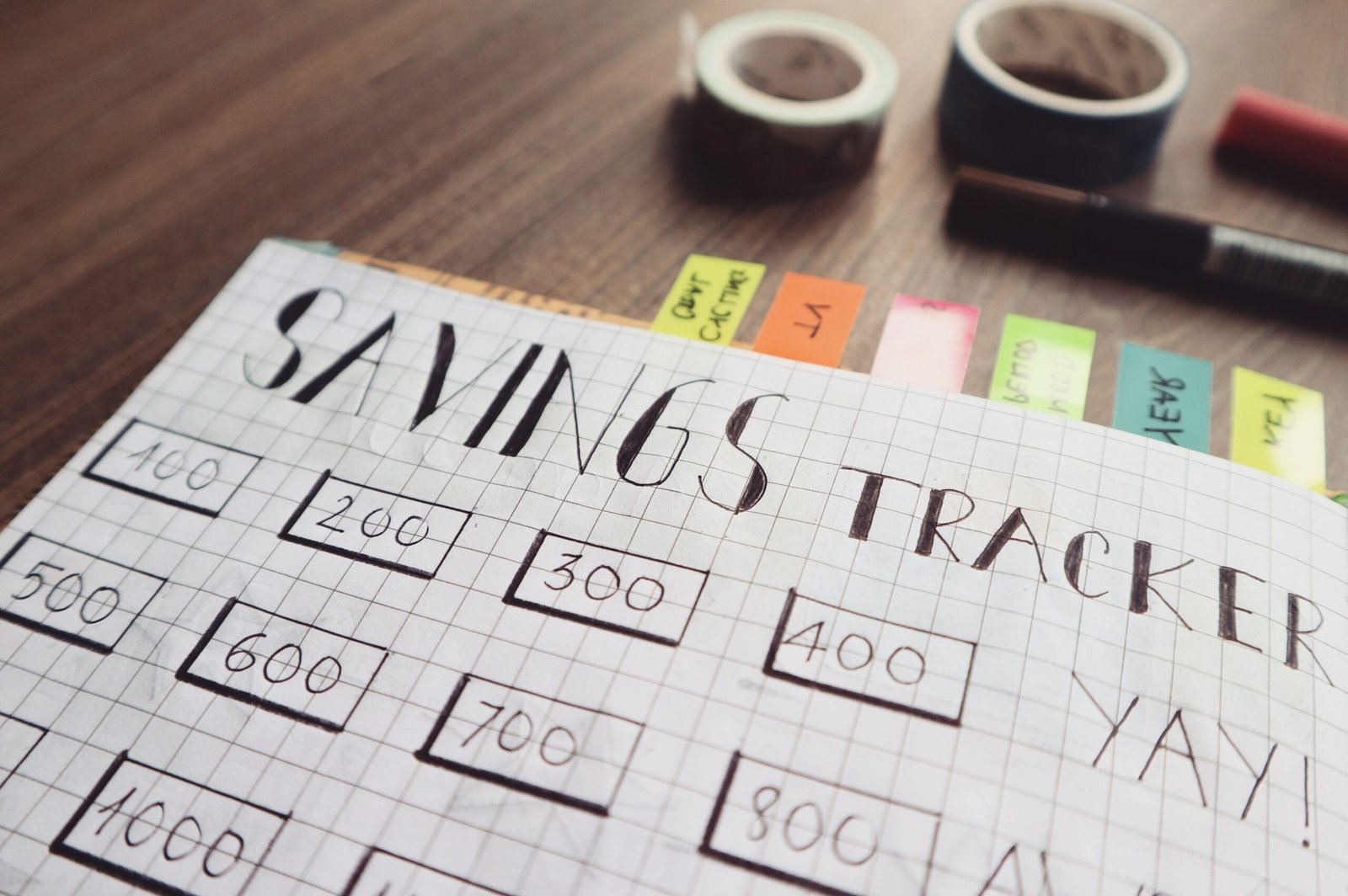
How I Actually Save Money Without It Feeling Restrictive
As an Amazon Associate I earn from qualifying purchases. Some links in this post go to Amazon and may earn me a small commission at no extra cost to you.
Last Updated on October 3, 2026 by Smarteryouu
⭐ How I Actually Save Money Without It Feeling Restrictive
Saving money often gets framed as a matter of willpower, cutting back, saying no to things, sticking to a strict budget. In practice, most of the actual savings I have managed to hold onto over time came from a handful of small, repeatable habits rather than any kind of discipline. None of it felt like sacrifice once it became routine, it just became how things got done.
This is a look at the habits that genuinely make a difference month to month, without requiring extreme budgeting or giving up things that actually matter.
⭐ Planning Meals Before Grocery Shopping
Groceries are one of the largest recurring expenses for most households, and a surprising amount of that cost comes down to buying without a plan. Walking into a store without knowing what you actually need tends to result in extra items that seemed useful in the moment and then sit unused in a cupboard.
A simple weekly meal plan, even a rough one, changes this. Knowing what you are actually cooking that week means shopping becomes about buying specific ingredients rather than filling a cart with general possibilities. It also cuts down on last minute takeout, which tends to be one of the more expensive ways food costs quietly add up over a month.

⭐ Shopping With an Actual List
A list sounds like an obvious habit, but it works because it removes the moment by moment decision making that leads to impulse additions. Without one, it is easy to walk past something that looks appealing and add it to the cart without much thought. With a list, the trip has a clear boundary, and sticking closer to it becomes far easier.
⭐ Choosing Store Brands Where It Does Not Matter
Store brand products are often nearly identical to name brand versions, particularly for basics like pantry staples, cleaning supplies, and simple ingredients. The savings on any single item are small, but across a month of regular shopping, they add up to a real, consistent difference. This is not about giving up quality across the board, it is about being selective, choosing the name brand where it genuinely matters and the store brand where it does not make a noticeable difference.
⭐ Keeping Track of What You Already Have
A lot of unnecessary spending comes from simply forgetting what is already available. Buying a spice that is already in the cabinet, a cleaning product that already has two unopened bottles behind it, a shirt that is nearly identical to three others already owned. Taking a moment to actually check before buying something new prevents a surprising amount of this kind of duplicate spending.
In the kitchen specifically, checking the fridge, freezer, and pantry before a grocery trip often reveals enough ingredients for a meal or two that would otherwise have gone to waste, or led to unnecessary shopping. The same logic applies to cleaning supplies and even clothing, using up what is already there before buying more.
⭐ The Twenty Four Hour Rule for Anything Non Essential
For anything that is not an immediate need, waiting a full day before buying it is one of the more effective habits worth building. Most of the time, the initial pull toward a purchase fades once the moment of seeing it has passed. If the desire to buy something is still there a day later, it is usually a more genuine want rather than an impulse, and that distinction matters for actually sticking to a budget over time.
⭐ Noticing the Difference Between Boredom and an Actual Need
Shopping when bored or stressed tends to lead to purchases that do not hold up well once the mood passes. This is worth being honest about rather than judging, it is a common pattern, not a personal failing. Having a non spending alternative ready, a short walk, a specific hobby, even just stepping away from a screen for a while, helps break the automatic link between a difficult mood and reaching for a purchase to fix it.
⭐ Turning Off and Unplugging What Is Not in Use
Energy costs are one of those expenses that feel fixed but actually respond to small habits. Turning off lights in rooms that are not in use is an obvious one, but it genuinely adds up over a full month. Less obvious is that a lot of electronics continue to draw power even when switched off but still plugged in, unplugging things that are not regularly used, chargers, small appliances, removes this quiet drain entirely.
⭐ Switching to LED Bulbs
This is a one time change that keeps paying off. LED bulbs use significantly less energy than traditional incandescent ones and last considerably longer, which means saving on both the electricity bill and how often bulbs need replacing. It is a small upfront cost that offsets itself fairly quickly.
⭐ Being Mindful of When Certain Tasks Happen
Some utility providers charge less during specific hours of the day. Running laundry or a dishwasher during those windows, when it is practical to do so, can add up to a real difference over a billing cycle without requiring any change in how often those tasks get done, just when.
⭐ Keeping the Thermostat Steady Rather Than Adjusting Constantly
Frequently changing the temperature forces a heating or cooling system to work harder than it needs to. Settling on a consistent, comfortable temperature and leaving it there tends to use less energy overall than constant small adjustments throughout the day, even though it feels like it should not matter much.
⭐ None of This Requires Doing Everything at Once
These habits cover several different areas, groceries, spending decisions, energy use, and trying to adopt all of them simultaneously usually does not stick. Picking one or two that feel manageable, a shopping list, the twenty four hour rule, switching to LED bulbs, and letting those become automatic before adding more tends to produce steadier, longer lasting results than an ambitious overhaul attempted all at once.
⭐ Best Sellers — A Few Products That Support These Habits
A few simple products make some of these savings habits easier to stick with.
- Reusable Grocery List Notepad — Makes it easy to keep an actual list on hand before heading out to shop.
- LED Light Bulb Multipack — A straightforward way to start reducing energy costs with a one time swap.
- Smart Plug for Unused Electronics — Makes it simple to fully cut power to devices that would otherwise draw energy while idle.
⭐ A Few More Things Worth Reading
- Natural Resources Canada Energy Efficiency Tips
- Government of Canada Food Waste Reduction Tips
- Wellness habits that support better daily routines
- Easy home exercises you can do every day
- Healthy eating habits that improve energy
⭐ Final Thoughts
None of these habits require major sacrifice or a strict budgeting system. Planning meals, shopping with a list, waiting a day before non essential purchases, and paying attention to energy use are all small, manageable changes that add up meaningfully over a month, without making daily life feel restricted.
The real shift is less about cutting back and more about becoming a bit more intentional with decisions that used to happen automatically. Over time, these habits stop feeling like effort at all, they just become how things get done, and the savings follow naturally from that.