
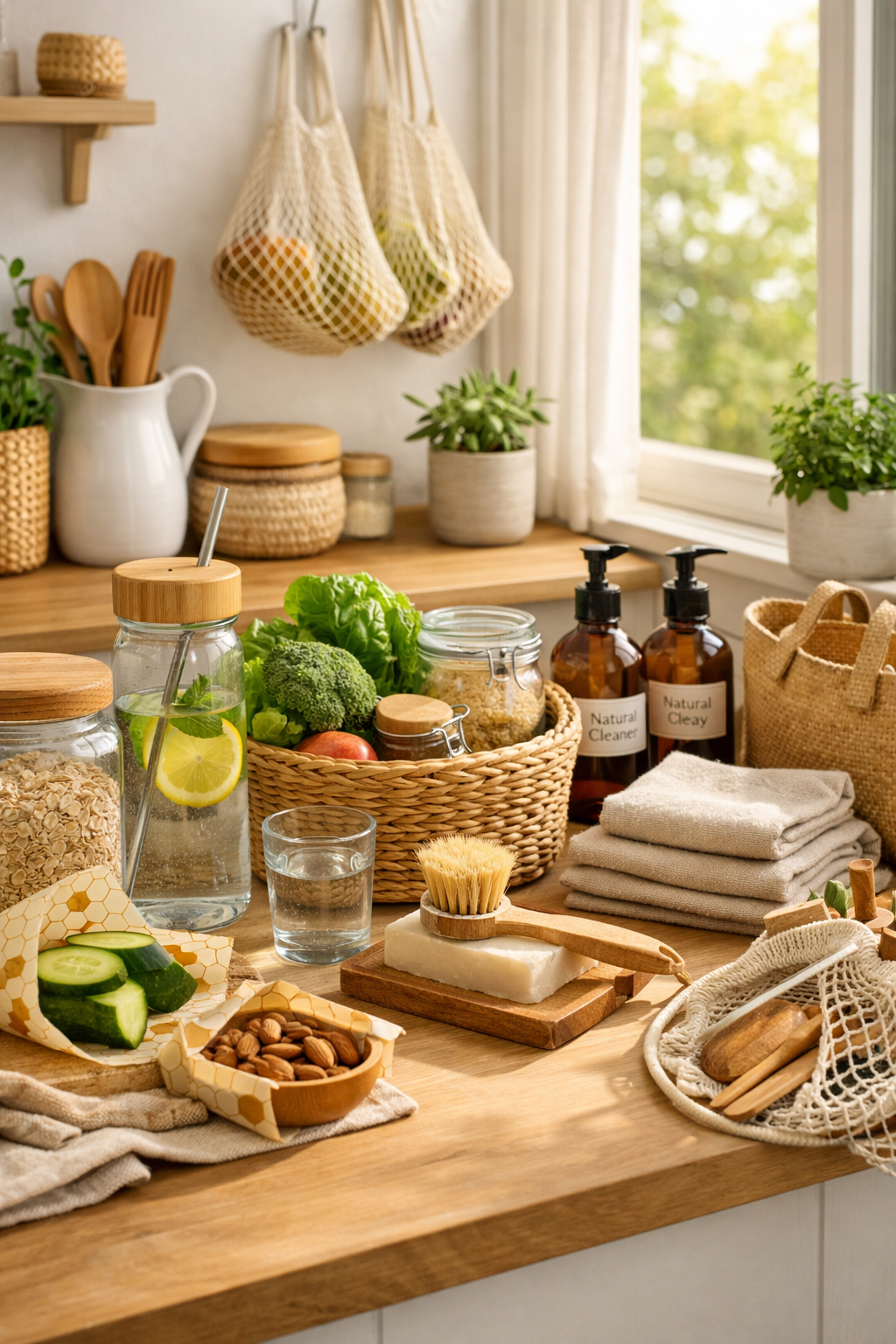
Sustainable Home Habits
As an Amazon Associate I earn from qualifying purchases. Some links in this post go to Amazon and may earn me a small commission at no extra cost to you.
Last Updated on July 6, 2026 by Smarteryouu
⭐ Sustainable Home Habits
⭐ Introduction
Sustainable Home Habits are more than eco friendly choices. They are gentle daily practices that support your wellness, your home environment, and your long term balance. Many people think sustainability requires big changes or expensive products, but the truth is that it begins with small, simple habits that fit naturally into your routine. These habits help reduce waste, create a cleaner home, and support emotional calm. When you choose sustainable living, you choose a lifestyle that feels intentional, grounded, and nourishing.
Sustainability is not about perfection. It is about awareness. It is about understanding how your daily choices affect your home, your body, and the world around you. Sustainable habits help you create a home environment that feels peaceful and supportive. They help you reduce clutter, simplify routines, and choose products that align with your wellness goals. This article explores how sustainable home habits support your daily life, how they improve your emotional wellness, and how you can begin this journey in a simple and meaningful way.

⭐ What Sustainable Home Habits Really Mean
Sustainable home habits focus on reducing waste, choosing natural materials, and creating routines that support long term wellness. They encourage mindful consumption, gentle cleaning practices, and thoughtful organization. Sustainable living is not about strict rules. It is about choosing habits that help you feel more connected to your home and more aware of your daily choices.
These habits also support emotional wellness. A sustainable home feels calmer, cleaner, and more intentional. It reduces visual clutter and creates a sense of balance. When your home feels peaceful, your mind feels peaceful. Sustainable living becomes a natural part of your wellness routine and helps you feel more grounded.
⭐ Clean Materials and Natural Choices
One of the easiest ways to begin sustainable living is by choosing natural materials. Cotton, wood, glass, bamboo, and linen create a home environment that feels clean and calming. These materials last longer, feel better, and support a healthier lifestyle.
Natural materials also reduce exposure to synthetic chemicals. Many home products contain artificial fragrances, plastics, and harsh ingredients. Choosing natural alternatives helps create a cleaner environment that supports your wellness. You can begin with small steps. Replace one plastic item with glass. Choose cotton towels instead of synthetic ones. Add wooden utensils to your kitchen. These small choices add up over time and support your long term health.
⭐ Sustainable Cleaning Habits
Sustainable cleaning habits support both your home and your wellness. Many cleaning products contain chemicals that affect your air quality and your skin. Natural cleaners use gentle ingredients like vinegar, baking soda, lemon, and essential oils. These ingredients clean effectively without overwhelming your home with strong scents or harsh chemicals.
You can also choose reusable cleaning tools. Cotton cloths, bamboo brushes, and refillable spray bottles help reduce waste and create a cleaner routine. Sustainable cleaning becomes a calming ritual that supports your home and your emotional wellness.
⭐ Reducing Waste in Daily Routines
Reducing waste is a key part of sustainable living. You can begin with simple habits that fit naturally into your routine. Use reusable bags. Choose glass containers instead of disposable plastic. Store food in jars. Reduce paper towels by using cotton cloths. Choose products with minimal packaging.
These small habits help reduce clutter and create a cleaner home environment. They also support emotional balance. When your home feels organized and free of excess waste, you feel more grounded and more connected to your space.
⭐ Sustainable Kitchen Habits
The kitchen is one of the easiest places to begin sustainable living. You can choose natural foods, reduce food waste, and create simple routines that support your wellness. Store leftovers in glass containers. Freeze fruits and vegetables before they spoil. Choose reusable produce bags. Compost food scraps when possible.
You can also choose natural materials for your kitchen tools. Wooden cutting boards, stainless steel straws, and glass jars create a clean and calming environment. These habits support your wellness and help reduce waste in a meaningful way.
⭐ Sustainable Home Décor
Sustainable home décor focuses on natural materials, simple designs, and mindful choices. You can choose décor that feels calming and supports your emotional wellness. Plants, woven baskets, cotton blankets, and wooden accents create a home that feels warm and grounded.
Sustainable décor also encourages decluttering. When you choose fewer items with more intention, your home feels more peaceful. This supports emotional balance and helps reduce stress. Sustainable décor becomes a natural part of your wellness routine and helps you feel more connected to your home.
⭐ Emotional Wellness Through Sustainable Living
Sustainable living supports emotional wellness by creating a home environment that feels calm and intentional. When your home is clean, organized, and filled with natural materials, your mind feels more balanced. Sustainable habits encourage slower routines and mindful choices. They help you feel more present and more connected to your daily life.
These habits also reduce stress. A sustainable home feels peaceful and supportive. It becomes a sanctuary where you can rest, recharge, and reconnect with yourself. Emotional wellness is a key part of sustainable living and helps you create a lifestyle that feels nourishing.
⭐ Simple Ways To Start Sustainable Home Habits
You do not need to change everything at once. You can begin with small steps that fit naturally into your routine.
Choose natural materials. Reduce waste. Use reusable bags. Store food in glass containers. Add plants to your home. Choose natural cleaners. Declutter one small area. Replace one synthetic item with a natural alternative. These small steps help you build a sustainable lifestyle that supports your long term wellness.
Over time, sustainable living becomes a natural part of your routine. It helps you feel more grounded, more balanced, and more connected to your home.
⭐ Explore related SmarterYouu pages for more wellness inspiration:
⭐ External Links for Credible Wellness Sources
- Mayo Clinic
- Cleveland Clinic
- Sleep Foundation
- National Institutes of Health
- Centers for Disease Control and Prevention
- Johns Hopkins Medicine Healthline Sleep
- Harvard Health Publishing
⭐ Conclusion
Sustainable Home Habits are gentle choices that support your long term wellness, and the beauty of this lifestyle is how simple and approachable it truly is. These habits encourage natural materials, clean routines, and mindful consumption that help you feel grounded, calm, and energized. Many people believe sustainable living requires dramatic changes or expensive products, but the truth is that it begins with awareness. It begins with small choices that honor your home, your body, and your emotional wellness. These choices slowly build a lifestyle that feels clean, intentional, and deeply supportive.
Sustainable living is not about perfection. It is about understanding how your daily habits shape the environment around you and how they influence your personal wellness. When you choose natural materials, you create a home that feels warm and comforting. When you choose clean routines, you reduce toxins and create a space that supports your health. When you choose mindful consumption, you simplify your surroundings and reduce stress. Each small step becomes part of a larger shift toward a lifestyle that supports your long term balance.
This lifestyle also encourages a deeper connection to your home. A sustainable environment supports emotional calm and helps you feel more centered. When your home feels peaceful, you feel peaceful. When your home feels organized, your mind feels clearer. Sustainable living naturally blends into your surroundings and creates a space that feels nurturing and supportive. It becomes a sanctuary where you can rest, recharge, and reconnect with yourself.
Sustainable habits also support emotional wellness. Choosing natural materials, gentle cleaners, and simple routines encourages you to slow down and be more mindful. You become more aware of what you bring into your home and how it affects your body. You become more intentional with your habits and more connected to your daily choices. This awareness helps reduce stress and supports emotional balance. It encourages a lifestyle that feels calm, steady, and nourishing.
The shift toward sustainable living does not need to happen all at once. You can begin with one small step. Replace one synthetic item with a natural alternative. Choose one reusable product. Add one mindful habit to your routine. These small choices add up over time and create a lifestyle that feels clean and supportive. As you continue to make gentle changes, you will notice how your home responds. You will feel more energized, more balanced, and more connected to your wellness.
Sustainable Home Habits are a journey that supports your long term health. They help you choose comfort, balance, and nourishment in a world that often feels rushed and overwhelming. When you embrace sustainable living, you choose a lifestyle that honors your home and your emotional wellness. You choose habits that support your body and create a sense of calm in your daily life. Start with one small step today and feel the difference in your home and your overall wellness.