
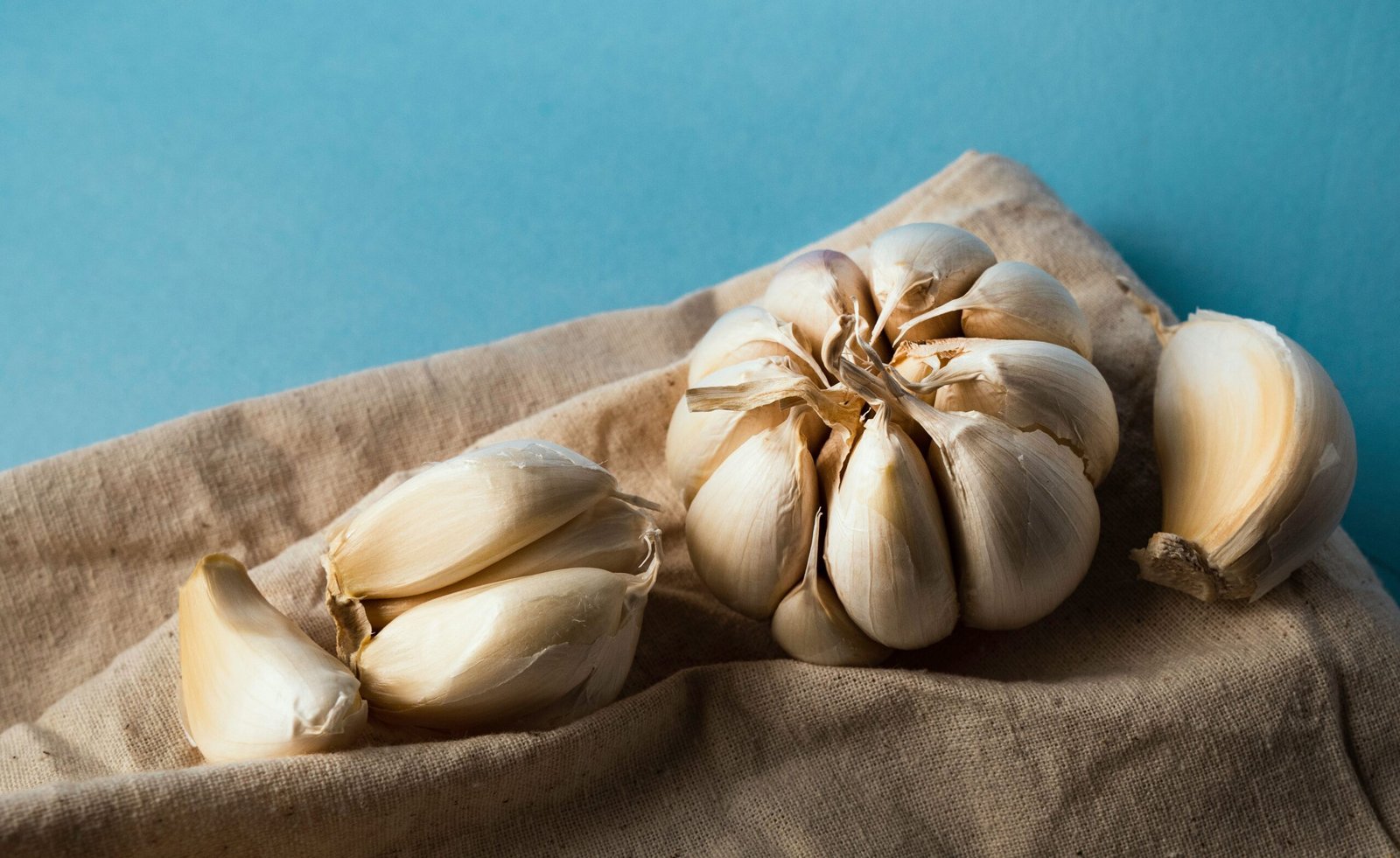
The Benefits of Eating Garlic Daily, Honestly Assessed
As an Amazon Associate I earn from qualifying purchases. Some links in this post go to Amazon and may earn me a small commission at no extra cost to you.
Last Updated on September 24, 2026 by Smarteryouu
⭐ The Benefits of Eating Garlic Daily, Honestly Assessed
Search the benefits of eating garlic daily and you will find a remarkably long list, usually numbered, usually covering the heart, the immune system, inflammation, energy and the liver. It is one of the most confidently oversold foods on the internet.
Garlic is still worth eating every day. Just not for most of those reasons, and the actual case for it is more interesting than the list.
What follows puts the honest assessment near the top rather than buried at the bottom, and then spends the rest of the page on the part nobody writes about, which is how to prepare it, buy it and keep it so that using it daily is easy rather than a project.
This page contains affiliate links. If you buy through one of them we may earn a small commission at no extra cost to you.

⭐ What It Actually Is
Garlic is a bulb in the onion family, and the interesting part of it does not exist until you damage it.
An intact clove contains a stable compound and, separately, an enzyme. They sit apart. When the clove is cut, crushed or chewed, the two meet and produce allicin, which is responsible for most of the smell, most of the pungency and most of the compounds researchers are interested in.
That single fact explains nearly everything practical about cooking with it. A whole roasted bulb is sweet and mild because the reaction barely happened. A raw crushed clove is fierce because it happened completely.
It is also why the way you cut it changes the dish more than the quantity does.
⭐ Where the Honest Answer Stops
This section sits second rather than last, because the version of this page that was here before was a list of ten health claims and a correction at the bottom would not undo that.
The American National Center for Complementary and Integrative Health reviews this kind of question for a living, and its summary of garlic is considerably more restrained than anything you will read on a wellness site. The short version is that garlic has been studied a great deal, that the results are mixed, and that the evidence does not support the confident claims made for it. Its page is linked at the foot of this one.
So this page makes no claim about blood pressure, cholesterol, arteries, inflammation, immunity, energy or the liver. Not softened versions either. Where a study exists it usually used a concentrated extract at a dose far beyond what anybody puts in a pan, and treating those as the same thing is where most of the overstatement comes from.
One practical caution rather than a medical one. Garlic in supplement form can interact with blood thinning medication, and that is worth a sentence with a pharmacist rather than a search. Cooking with it is a different matter and is what the rest of this page is about.
What is left is still a good reason to use it daily. It makes plain food taste like something, and the strongest argument for it is that a cupboard with garlic in it produces more home cooked dinners than a cupboard without.
⭐ Crush It, Then Wait
This is the one technique worth taking from this page and it costs nothing.
Because the reaction described above takes a moment to happen, garlic that goes straight from the board into hot oil never fully develops. The heat stops the process before it finishes. Crushing or chopping it and then leaving it on the board for about ten minutes before it hits the pan gives the reaction time to run.
The difference is easy to taste, which is the reason to bother. Ten minutes is also exactly the length of time it takes to chop everything else, so in practice it means doing the garlic first rather than last.
Almost nobody does this, and it is the single change that makes garlic taste like garlic rather than like a vague background note.
⭐ Raw, Softened or Roasted
Three quite different ingredients, from the same bulb, depending on what you do to it.
Raw and finely crushed is the strongest, and it belongs in things that are not cooked afterwards. Dressings, yoghurt dips, a dressing for a salad, rubbed round a bowl. A small amount goes a very long way and most people use three times too much the first time.
Softened in oil over a low heat for a minute or two is the everyday version and the one you will use most. Low heat matters. Garlic burns quickly and burnt garlic is genuinely unpleasant, so it goes in after the onion rather than with it.
Roasted whole, cut across the top and given forty minutes in a low oven, turns sweet and spreadable and bears almost no resemblance to the raw version. It keeps in the fridge for a few days and improves almost anything it touches.
Choosing between the three is a taste decision rather than a health one, whatever the internet says about raw being better.
⭐ Buying It and Keeping It
Most of the disappointment with garlic happens before it reaches the pan.
Pick bulbs that are heavy for their size and firm all over. A bulb that gives under your thumb is drying out, and one with a green shoot through the middle of the clove has started growing, which makes it bitter. The shoot can be pulled out and the rest is fine.
Store it somewhere dry, dark and airy, at room temperature. Not the fridge, which encourages sprouting, and not a sealed container or a plastic bag, which traps moisture and produces mould. A ceramic keeper with holes in it exists for exactly this and is the reason the old fashioned ones have that shape.
Pre peeled cloves in a jar are a reasonable compromise on a busy week and they lose flavour fast, so buy small and keep them refrigerated. Powdered garlic is a different ingredient rather than a substitute, and it is genuinely better in a dry rub.
Whether to buy organic is the same question it is for anything else, and we take the view that it matters for some things more than others.
⭐ One Food Safety Point Worth Knowing
Homemade garlic in oil, kept at room temperature, is one of the few genuine food safety hazards in an ordinary kitchen, and almost nobody is told about it.
Garlic comes out of the ground, oil keeps air away from it, and a jar of chopped garlic sitting in oil on a warm counter is a situation food safety guidance specifically warns about. The commercially prepared jars are treated to prevent it. A jar you made on Sunday is not.
The rule is simple. Homemade garlic in oil goes in the fridge and gets used within a few days, or it does not get made. Health Canada’s general food safety guidance is linked below.
This is not a reason to be nervous about garlic. It is one specific preparation, it is easily avoided, and it is the kind of thing a page recommending daily use ought to mention.
⭐ The Supplement Question
The previous version of this page recommended garlic tablets as a convenient way to get the daily benefits. That section is gone and it is worth explaining why rather than just deleting it.
Garlic supplements vary enormously between products, in ways that are not visible on the label. Odourless preparations in particular are made that way by preventing the reaction described at the top of this page, which is the reaction that produces the compounds people are buying them for.
More to the point, the argument for a supplement rests on the health claims, and those claims are not ones this site is willing to make. Without them there is no case for a tablet at all, since nobody takes a supplement for the flavour.
Buy the bulbs. They cost about a dollar and they improve dinner, which is a benefit you can verify yourself the same evening.
⭐ Using More of It Without Thinking About It
Daily is easier than it sounds once it stops being a decision.
Keep the bulbs visible on the counter rather than in a drawer, and keep whatever you use to crush them in the front of the utensil pot. Two objects within reach is most of what determines whether something gets used on a Tuesday, which is a pattern we keep running into across the whole site.
Roast a couple of bulbs when the oven is already on for something else and keep them in the fridge. That turns garlic into a thing you spread rather than a thing you prepare, and it survives the evenings when nobody is cooking properly.
Beyond that, it is mostly a question of whether you are cooking at all. A kitchen set up so that a real dinner is the easy option does more than any single ingredient, which is the argument behind our short list of things worth owning and our notes on building a plate that holds.
Cost is the quiet advantage here. Garlic is one of the cheapest ways to make plain food worth eating, which matters if you are trying to eat well without spending more.
⭐ Best Sellers
Top Products and Picks
Three things, and the honest note that the second one makes the first one unnecessary for a lot of people. A knife and a board you already own will do everything on this page.
If speed is what stops you using it
Kitessensu Garlic Press with Studs
Presses unpeeled cloves and the studs push the skins back out, which removes the washing up complaint that makes most presses live in a drawer. Eighteen dollars. Ships from Amazon.
Check price on AmazonThe one that makes the press optional
PAUDIN Chef Knife, 8 Inch
A press gives you one intensity. A knife gives you sliced, chopped and crushed, which are three different strengths from the same clove, and that control is the whole skill. Twenty four dollars, and it does the rest of dinner too.
Check price on AmazonIf half of what you buy goes soft
ONEMORE Ceramic Garlic Keeper with Lid
Ventilated ceramic, which is dark, dry and airy, the three conditions from the storage section above. Fewer ratings than we usually list, flagged so you can judge it. A paper bag in a cupboard also works.
Check price on Amazon⭐ Final Thoughts
Garlic did not need a list of ten reasons attached to it. It has been in almost every cuisine on earth for thousands of years, and not one of those cultures adopted it because of what it might do to a cholesterol reading.
They adopted it because it makes ordinary food taste good, and because it is cheap and keeps for weeks. That is a completely sufficient reason to have it in the house, and it is one you can confirm yourself tonight rather than taking on faith.
So buy a few bulbs, leave them where you can see them, and try the ten minute trick once. If nothing else on this page sticks, that one will change how your cooking tastes.
⭐ Additional Resources
The National Center for Complementary and Integrative Health publishes a short page on garlic, its usefulness and its safety, which reviews what the research actually found and is markedly more cautious than most of what is written about it. Free, and it sells nothing.
Health Canada’s general food safety tips cover storage and preparation, including the sort of homemade preserving described in the safety section above.
The rest of the wellness and organic living section applies the same test to the other foods that get sold as more than food.