
Ten Work From Home Habits That Actually Keep Me Focused
As an Amazon Associate I earn from qualifying purchases. Some links in this post go to Amazon and may earn me a small commission at no extra cost to you.
Last Updated on October 3, 2026 by Smarteryouu
⭐ Ten Work From Home Habits That Actually Keep Me Focused
Working from home sounds simple until you actually try to do it well. Without a commute, an office, or anyone else around, the structure that normally shapes a workday disappears, and it is surprisingly easy for hours to blur together, focus to drift, and stress to build without any clear cause. None of what fixed this for me was complicated. It came down to a handful of habits, repeated consistently, rather than any single big change.
⭐ Having One Consistent Spot to Work From
Sitting in the same spot every day trains your brain to associate that specific place with focus, which makes it noticeably easier to settle into work rather than easing in slowly. It does not need to be a dedicated office, a small desk, a section of a table, even a consistent corner of a room works, as long as it stays the same spot day to day.
Keeping that space relatively clear and adding one or two things that make it feel calm, a plant, decent lighting, a simple mat under the keyboard, helps reinforce the association further. Just as importantly, stepping away from that spot at the end of the day gives your brain a clear signal that work is actually done, rather than blending into the rest of the evening.
⭐ A Short, Simple Morning Routine Before Diving In
Jumping straight from waking up into the first task of the day tends to feel rushed, even if nothing about the morning was actually urgent. A short routine before starting work, a warm drink, a few minutes of quiet, a quick stretch, creates a small buffer between waking up and working, and that buffer makes the whole day feel less frantic from the start.

⭐ Picking Three Priorities Instead of a Long List
A long task list is often more discouraging than motivating, since it is rarely possible to finish all of it, and an unfinished list at the end of the day can feel like failure even when real progress happened. Picking three priorities each morning, the things that actually need to move forward, removes that problem. Everything else becomes optional rather than an obligation, which reduces decision fatigue and makes it much easier to end the day feeling like something real was accomplished.
⭐ Keeping the Desk Genuinely Minimal
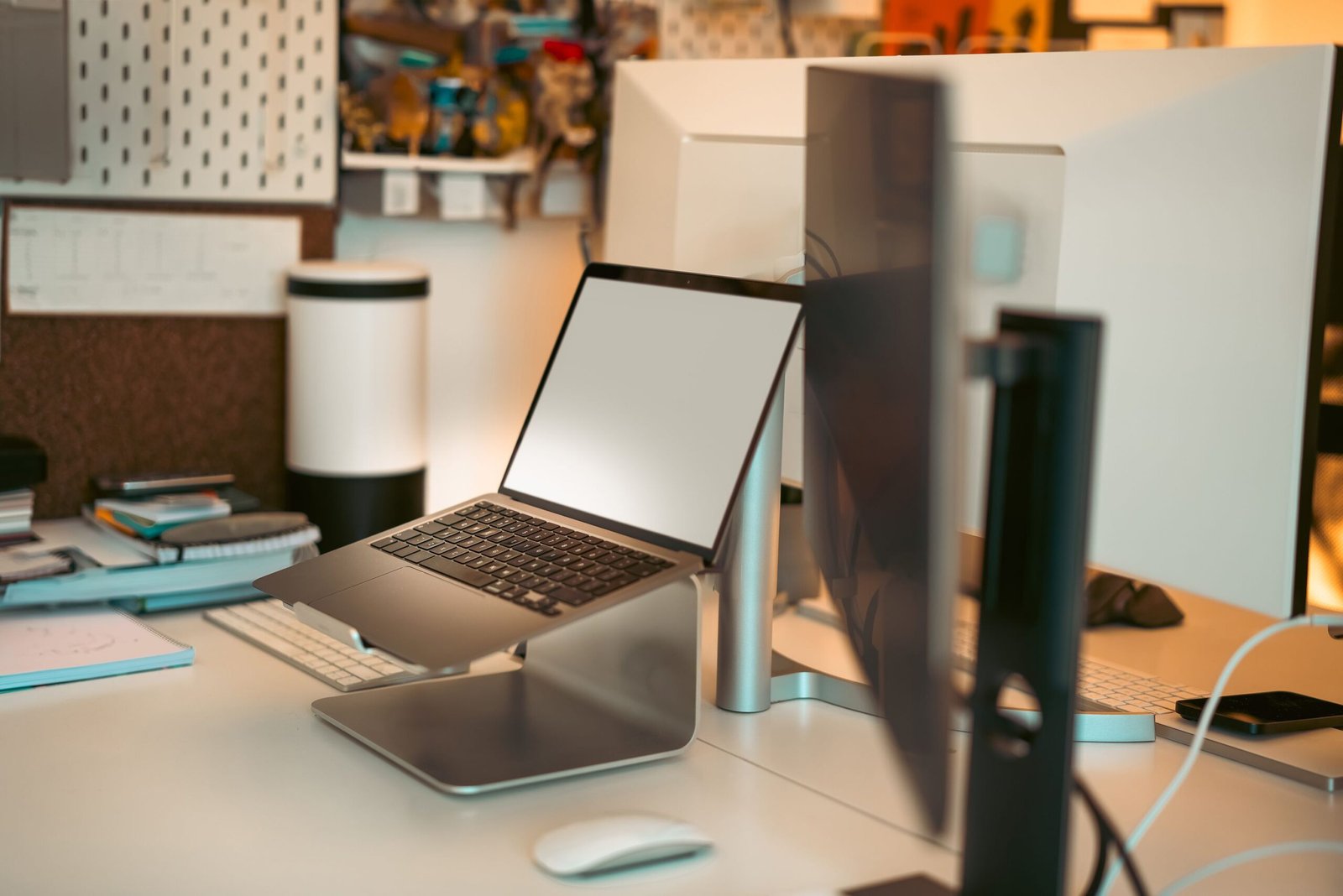
A cluttered desk adds a small, constant cognitive load, your eyes and attention keep catching on things that are not relevant to the task at hand. Keeping only what is actually needed within reach, a laptop, something to write with, a drink, maybe one calming item, makes the whole workspace feel lighter and easier to focus in. It also makes resetting the space at the end of the day much faster.
⭐ Working Near Natural Light When Possible
Natural light genuinely affects energy and focus more than most people expect. Positioning a workspace near a window, or at least opening blinds during the day, helps regulate energy levels in a way that artificial lighting alone does not fully replicate. When natural light is not an option, warmer, softer artificial lighting is a reasonable substitute, since harsh overhead light tends to feel more fatiguing over a full day.
⭐ Actually Taking Short Movement Breaks
Sitting for long uninterrupted stretches leads to stiffness and a noticeable dip in focus, even if it does not feel that way in the moment. A short break every hour or so, standing up, stretching, walking around the house for a minute, resets both the body and the attention span without requiring an actual workout. It is a small habit, but skipping it consistently tends to show up later in the day as fatigue that is harder to shake.
⭐ Keeping Water or Tea Within Reach
Dehydration is an easy thing to overlook while working from home, since there is no natural prompt to drink water the way there might be walking past a break room at an office. Keeping a drink within arm’s reach, something you actually enjoy, removes the friction of having to get up and think about it, and staying hydrated has a real, noticeable effect on focus and energy over the course of a day.
⭐ Setting Actual Boundaries Around Work Hours
Without a commute or a physical office to leave, the line between work and personal time blurs easily, checking one more email after dinner, starting slightly earlier than intended because there is nothing stopping you. Setting a genuine start time, an end time, and a rule like no work after a certain point in the evening protects both productivity during work hours and actual rest afterward. Boundaries that exist only in intention tend to erode quickly, the ones that stick are usually simple and consistently enforced.
⭐ Managing Background Noise Intentionally
A noisy or chaotic background makes deep focus much harder to sustain, particularly in a home shared with others. Soft music, white noise, or ambient nature sounds can create a more consistent, calmer backdrop than whatever noise would otherwise be happening. The goal is not silence, it is a background that does not actively compete for attention.
⭐ Paying Attention to the Physical Comfort of the Space
Temperature, lighting, and humidity all affect focus more than people tend to assume. A home that feels too dry or too stuffy makes sustained concentration noticeably harder. Keeping indoor humidity somewhere in a moderate range supports easier breathing and general comfort throughout the day, which matters more over an eight hour stretch than it seems like it should in the moment.
⭐ A Short End of Day Reset
Closing out the workday properly matters as much as how it starts. Closing tabs, clearing the desk, writing down tomorrow’s top three priorities, and turning off notifications all signal, clearly, that work is finished. Skipping this step tends to leave a low level sense of unfinished business hanging into the evening, even when the actual work is technically done.
⭐ Using a Simple Timer for Focused Work Blocks
Working in defined blocks, twenty five minutes of focus followed by a five minute break, for example, makes it much easier to stay on one task instead of drifting between several at once. The specific timing matters less than having some rhythm at all, a timer creates a light structure that keeps momentum going without feeling like a rigid schedule.
⭐ Picking One Anchor Habit Before Adding More
Trying to adopt all of these habits simultaneously tends to fall apart within a week, the same way any large behavior change usually does. Picking one, a clean desk, a hydration habit, the three priorities rule, and letting it become automatic before adding a second one works far better than attempting a full overhaul all at once.
⭐ Best Sellers — Small Additions That Support a Better Work From Home Setup
A few simple products have genuinely made this setup easier to maintain day to day.
- Adjustable Desk Lamp — A warmer, softer light source than overhead lighting, useful for reducing eye strain over a full workday.
- Insulated Water Bottle — Keeps water within reach and at a drinkable temperature, making it easier to actually stay hydrated while working.
- Small Desk Plant — An easy, low maintenance way to add a calming element to a workspace without taking up much room.
This routine signals to your brain that work is done. It also prevents the mental clutter that builds when you leave tasks open or your desk messy. A clean end of day leads to a clean start tomorrow. These touches create a peaceful environment that helps you stay grounded and focused.
- You can learn more about creating a comfortable home environment in my Indoor Humidity article.
- If you enjoy simple daily improvements, you may also like my Smart Living guide that focuses on small habits that make life easier.
- For more ways to stay calm and centered during the day, explore my Wellness and Stress Management article.
- If you prefer warm drinks during the workday, my Green Tea Benefits article explains how it supports focus and energy.
- Mayo Clinic — Benefits of Movement Breaks
⭐ Final Thoughts
None of this required a major system or a full home office setup. It came down to a handful of small, repeated habits, a consistent workspace, three priorities instead of an overwhelming list, actual boundaries around when the day starts and ends, that together made working from home feel far less chaotic than it did when I started.
If a workday consistently feels scattered or draining, my honest suggestion is to pick just one of these habits and build it into a genuine routine before adding another. A single habit that actually sticks tends to matter more than a long list adopted all at once and abandoned within a week.