
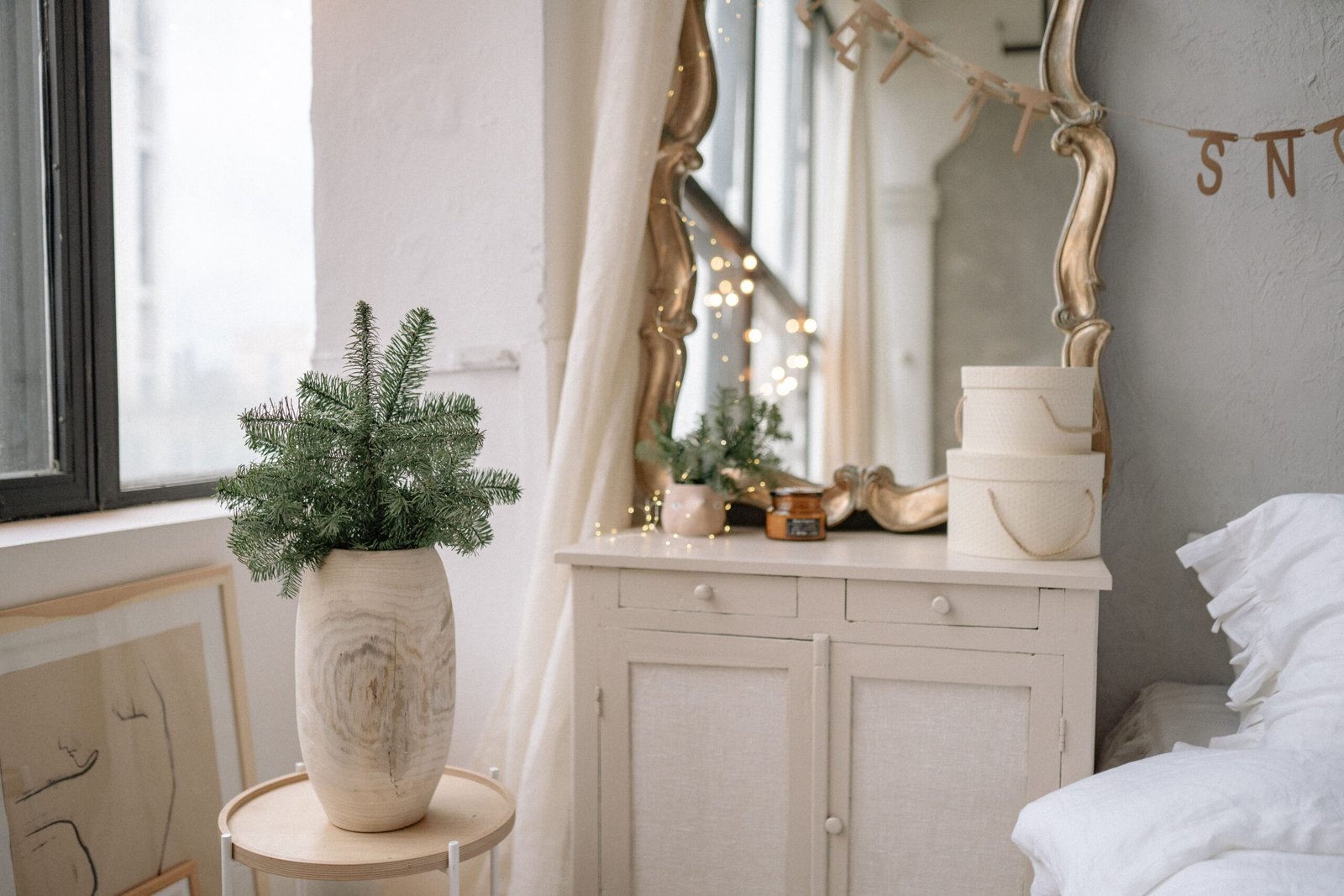
Cozy Home Décor Ideas That Make Any Space Feel Warm
As an Amazon Associate I earn from qualifying purchases. Some links in this post go to Amazon and may earn me a small commission at no extra cost to you.
Last Updated on September 5, 2026 by Smarteryouu
⭐ Cozy Home Décor Ideas That Make Any Space Feel Warm
⭐ Disclaimer
This article is based on my personal views and real world experience. Every home is different, so always adjust décor choices to what feels right for your space.
⭐ Additional Note
This guide is meant for general understanding and does not represent any specific décor brand or professional design advice.
⭐ Introduction
There is a particular kind of room that refuses to feel warm. The heating is on, the thermostat reads a perfectly reasonable number, and you are still sitting there with a blanket over your knees wondering what is wrong with the place.
Most cozy home décor ideas skip past this and go straight to the throw blanket. The blanket helps, but it is treating a symptom. What makes a room feel cold is usually something structural about how it is dressed. Bare glass, hard floors, thin fabric, and surfaces that bounce sound around instead of absorbing it.
This guide works through those causes in order, from the ones that matter most to the ones that are mostly finishing touches. Some of it will save you money on heating as a side effect. All of it comes from working out, slowly and with a few wrong purchases along the way, why one room in my house was always the one nobody wanted to sit in.

⭐ Why Does a Room Feel Cold When the Heating Is On
Because we do not feel air temperature on its own. We feel the combination of the air and the surfaces around us, and a large cold surface pulls heat off you even in a warm room.
Sit beside a big uncovered window on a January evening and you will feel it clearly. The air by your face is fine. The side of you facing the glass is not. That is your body losing warmth toward a cold surface, and no amount of turning up the thermostat fixes the sensation, because you are heating the air rather than the thing making you cold.
The same effect happens with a tiled or laminate floor, a bare plaster wall, and a room with almost nothing soft in it. Add moving air from a draft and it gets worse again, because moving air carries warmth away from your skin faster than still air does.
This is genuinely good news, because it means fabric and placement do real work here. Décor is not just decoration in a cold room. It is the fix.
⭐ Start at the Window, Not at the Sofa
Windows are the coldest surface in most rooms and the one people dress last. Getting them right changes more than anything else on this list.
Weight matters more than pattern. A lined curtain traps a layer of still air between the fabric and the glass, and that trapped air is what does the work. An unlined panel of thin cotton looks pretty and achieves very little. If you buy one upgrade from this whole article, make it lining.
Length and width matter too, and both are commonly got wrong. Curtains that stop at the sill leave the cold pocket below them open. Curtains that finish at or just past the floor close it off. Buy them wider than the window as well, ideally around twice the width, so they still cover the glass properly when gathered rather than stretching flat across it.
Hang the pole higher than the frame and wider on each side. The room looks taller, and when the curtains are open they sit against wall rather than window, which lets in more daylight during the day.
⭐ What Bare Floors Are Doing to the Feel of a Room
Hard floors are the second cold surface, and unlike windows you are in direct contact with them.
A rug fixes this, but the common mistake is buying one too small. A rug that floats in the middle of the room with all the furniture off it reads as an island and does very little for warmth. The usual guide is that at least the front legs of your sofa and chairs should sit on it. That single change makes a room look considered rather than unfinished, and it is the reason so many rooms feel almost right without anyone being able to say why.
Material affects how warm it feels underfoot. Wool holds warmth and springs back from furniture dents. Cotton flatweave is cooler and lighter, and easier to wash. A separate rug pad underneath adds a surprising amount of insulation and stops the whole thing sliding, which is worth the small extra cost.
In a bedroom, a small rug on each side of the bed does more for how the room feels in the morning than a large one under it.
⭐ Do Warm Colors Really Make a Space Feel Warmer
Partly, and it is worth being honest about how much. The research on whether color changes perceived temperature is mixed and the effect, where it shows up at all, is small. Nobody is going to feel physically warmer because you bought terracotta cushions.
What color reliably does is change the mood of a room, and mood is most of what we mean by cozy anyway. The practical part is undertone. Whites and greys come in cool versions with a blue or green base and warm versions with a yellow or red base. A room painted in a cool grey with cool grey furnishings can feel clinical even in good light, and swapping the soft items for warmer toned ones lifts it noticeably.
You do not need to repaint. Cushions, throws, a rug and a lampshade cover enough surface area to shift the balance.
Bulb color is the other half of this, and it matters more than paint does. We covered that properly in our post on small upgrades that make a home easier rather than repeating it here.
⭐ Layering Fabric the Way It Actually Works
Layering gets recommended constantly and explained almost never, which is why so many sofas end up with four blankets on them looking like a laundry pile.
The principle is contrast. Layers read as deliberate when they differ in weight or texture, not when they differ only in color. A chunky knit throw over a smooth linen cushion works. Three smooth cushions in three shades do not, because the eye has nothing to catch on.
Weight is the part people underestimate. A heavy throw drapes into folds and holds its shape over the arm of a chair. A thin fleece slides off and puddles on the floor, which is why it ends up back in a cupboard within a month.
Keep the count low. One throw and two or three cushions per seat is plenty. Beyond that you are removing things every time you sit down, and anything you have to move to use a room stops being cozy fairly quickly. The same restraint runs through our writing on what makes a home comfortable rather than just tidy.
⭐ The Sound of a Room Changes How Warm It Feels
This is the one almost nobody mentions, and once you notice it you cannot stop noticing it.
Rooms with hard floors, bare walls and little furniture echo. Footsteps ring, voices carry a slight hollowness, and the television needs to be louder than it should. We read that echo as emptiness, and emptiness reads as cold. It is why an unfurnished flat feels chilly on a viewing even when the heating is running.
Soft things absorb sound. A rug, lined curtains, a fabric sofa rather than leather, cushions, a wall hanging, even a full bookshelf. Every one of those quiets a room slightly, and the effect is cumulative.
Clap your hands once in the middle of a room that bothers you. If the sound has a small ring after it, that room needs soft surfaces more than it needs another lamp. Foliage helps here too, which is one of several reasons to bring plants into a room.
⭐ Build One Corner Instead of Redoing a Whole Room
Whole rooms are expensive and slow. Corners are neither, and a room only needs one genuinely good spot to change how you feel about it.
Pick the warmest part of the room to begin with, which usually means away from the window and not in the path between two doors. Drafts run along those paths and no amount of soft furnishing makes a walkway feel restful.
Then give the corner four things. Something to sit in that you would choose over the sofa. A light at your own height rather than overhead. A surface within reach for a cup, because a corner without one quietly stops being used. And one soft thing, a throw or a sheepskin over the back of the chair.
That is the entire recipe. It costs a fraction of redecorating and it is the part of the room you will actually use. More ideas along these lines sit in our roundup of modern and rustic décor ideas.
⭐ Where Warmth Tips Over Into Clutter
There is a point where adding softness stops helping, and the line is easier to find than you might think.
The test is whether things get used. A basket of blankets that gets opened is warmth. A basket of blankets that has not been touched since you arranged it is storage with a nice lid. Same object, different room.
Surfaces are where it usually goes wrong. A coffee table with a tray, a candle and a book reads as inviting. The same table with eleven small objects on it reads as busy, and busy is a form of noise. Keeping one clear stretch of surface in a room gives the eye somewhere to rest, and that rest is part of what makes a space feel calm.
Warmth comes from a few good textures and one or two things you genuinely love looking at. Not from quantity. You can browse more of that thinking across our home décor inspiration section.
⭐ Best Sellers
Top Products and Picks
Four items cover most of what this guide describes, and all are widely available on Amazon.
- A pair of lined thermal curtains in a floor length drop, which is the single change that does the most for a cold room and costs less than most people expect.
- A wool or wool blend area rug, sized so the front legs of your seating sit on it rather than beside it.
- A felt rug pad to go underneath, which adds insulation and stops the rug traveling across the floor every time someone walks on it.
- A heavy knit throw blanket with enough weight to hold its folds, since that is the difference between a throw that stays on the chair and one that lives in a cupboard.
⭐ Final Thoughts
The rooms that feel warmest are rarely the ones with the most in them. They are the ones where a few things are doing real work.
That is worth holding onto, because the temptation with this topic is always to add. Another cushion, another candle, another basket. Adding is easy and it feels productive, and it is usually not what the room was missing. Heavy curtains, a rug big enough for the furniture, and something soft to absorb the echo will change a space more than a shelf of ornaments ever could.
Start with whichever room you avoid. There is almost always one, and there is almost always a reason for it that has nothing to do with the thermostat.
Fix the cold surfaces first, then add the pleasant things on top. What you end up with is not a styled room but a used one, which is a much better thing to come home to on a dark evening.
⭐ Additional Resources
For the practical side of curtains and blinds as insulation, the United States Department of Energy publishes a plain guide to energy efficient window coverings.
The same department covers finding and sealing drafts around a home, which is worth reading before spending on soft furnishings if a room has a persistent cold spot.
For independent testing on rugs, bedding and other household textiles, Consumer Reports maintains a home and garden section with no retailer affiliation.