
When to Put Winter Tires On: Getting the Timing Right in Ontario
As an Amazon Associate I earn from qualifying purchases. Some links in this post go to Amazon and may earn me a small commission at no extra cost to you.
Last Updated on October 21, 2026 by Smarteryouu
⭐ When to Put Winter Tires On: Getting the Timing Right in Ontario
Every fall in Ontario there is a week when the phone lines at tire shops light up. The first snow arrives, everyone remembers their winter tires at the same moment, and the next open appointment is three weeks away.
Knowing when to put winter tires on is mostly about getting ahead of that week. The surprising part is that snow is not really the signal. Temperature is. Winter tires are built to stay soft and grippy in the cold, and the cold arrives well before the first snowfall does.
This guide covers the temperature that matters, when to book, whether a second set of rims is worth it, and what to do with the tires you take off. None of it is complicated, and getting the timing right makes the whole season a little calmer.

⭐ Why Temperature Matters More Than Snow
Tires grip the road because the rubber stays flexible enough to press into the tiny texture of the pavement. Regular all season tires use a rubber blend designed for a wide range of weather, and as the air gets colder, that rubber slowly stiffens. A stiffer tire has less grip, even on a perfectly dry road.
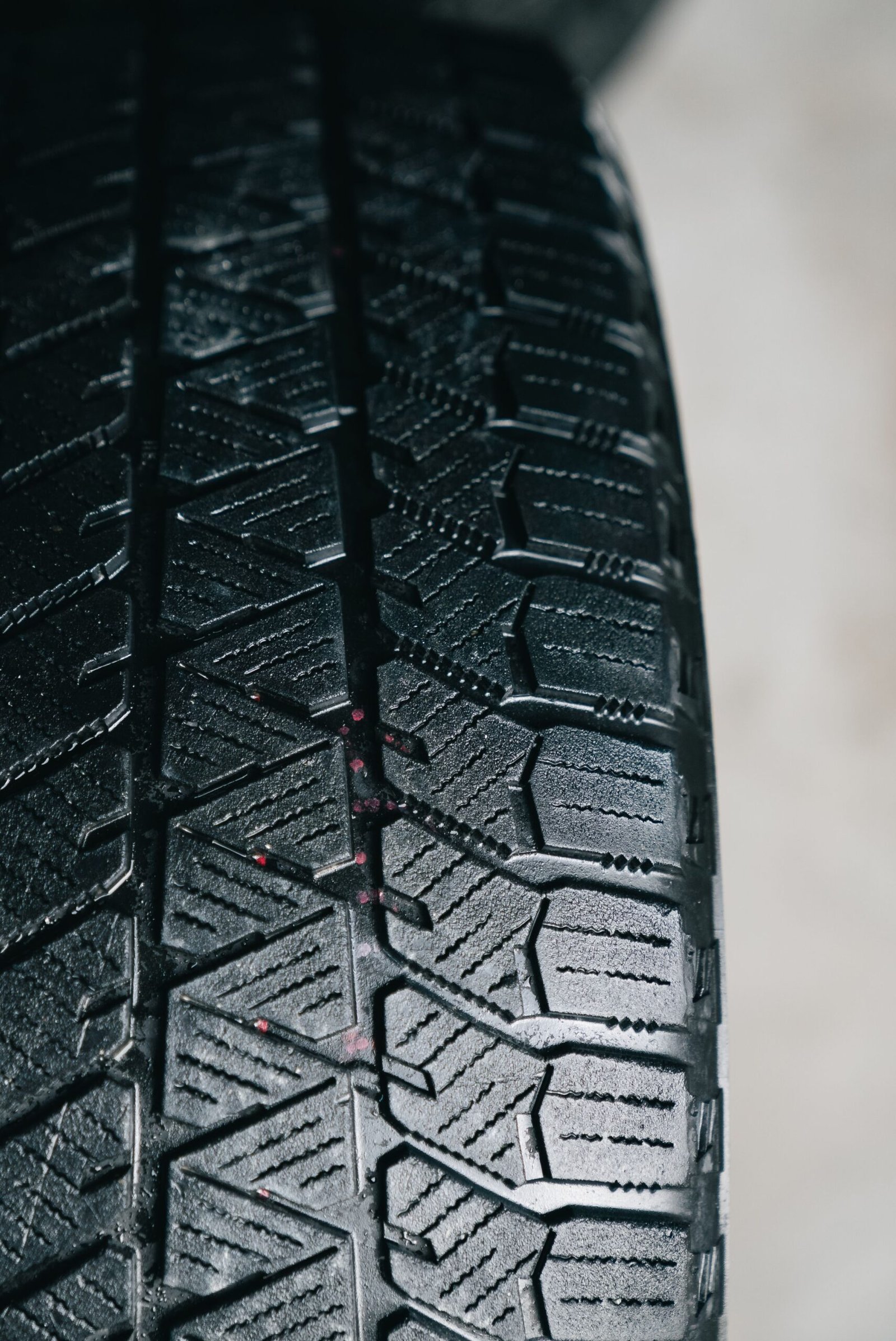
Winter tires use a softer blend that stays flexible well below freezing. They also have deeper tread with many small cuts, called sipes, that help them bite into snow and slush. So the benefit starts on cold, dry mornings, not only on snowy ones.
The Ontario government winter driving page notes that all season tires can start to lose grip at around 7 degrees Celsius, and that winter tires can shorten braking distances noticeably in frost, snow and ice. That 7 degree mark is the number most drivers and tire shops use as a rule of thumb.
Tires are only part of the picture, of course. Our guide on how to drive in snow covers the habits that matter once the roads actually turn white.
⭐ What Temperature Should You Put Winter Tires On?
Put winter tires on once daytime temperatures are staying around 7 degrees Celsius or lower on most days. In southern Ontario that usually means late October to mid November. Further north, it often comes a few weeks earlier, so watch the forecast rather than the calendar.
One chilly morning in early October is not the signal. What you are looking for is a pattern, where the daytime highs have settled into single digits and the forecast shows that continuing. Overnight frost on the lawn several mornings in a row is another good sign.
If you are unsure, earlier is generally the better mistake. A couple of weeks of extra wear in mild weather costs far less than being caught on all season tires during the first icy commute of the year.
⭐ Why Booking Early Saves You a Headache
Having owned and changed a lot of cars over the years, the pattern I have seen every single fall is the same. Shops are quiet in early October, then the first snowfall hits and every bay is booked solid for weeks. The drivers who booked ahead are already done.
The simple fix is to book your appointment in early October for a date in late October or early November. You can always ask to move it if the weather stays unusually warm, but you will have a spot, which is the hard part.
If you change your own tires at home, the same idea applies. Pick a dry weekend before the cold settles in. Doing the job on a frozen driveway in a snow squall is a very different experience from doing it on a calm fall afternoon.
It also helps to check your winter tires a week or two before the changeover. Look at the tread depth, look for cracks in the sidewalls, and make sure the set you stored in spring is the set you remember. Finding a problem early leaves time to shop around.
⭐ Should You Buy Winter Tires on Their Own Rims?
If you plan to keep the car for a few winters, a second set of rims is usually worth it. Each changeover becomes a simple wheel swap that is faster and cheaper than mounting and balancing tires twice a year, and the tires themselves take less wear from being stretched on and off.
Steel rims are the budget choice and they handle salt and potholes well. They are not pretty, which is why many people add plastic wheel covers. Alloy rims look nicer and are a little lighter, but they cost more and need more care through a salty winter.
If your car has a tire pressure monitoring system, ask whether the winter set needs its own sensors. Many shops can fit them when the tires are mounted, and it saves you a dashboard warning light all season.
If you already have alloy wheels on the car, our guide to tire and alloy wheel care covers how to keep them in good condition through the salty months.
⭐ When Should Winter Tires Come Off in Spring?
Take winter tires off once daytime temperatures are staying above about 7 degrees Celsius, which in southern Ontario usually means sometime in April. The same rule works in both directions, so you are watching for the pattern to settle rather than reacting to one warm day.
Leaving them on too long is the most common spring mistake. The soft rubber that grips so well in January wears quickly on warm pavement, and a set that could have lasted several seasons ends up needing replacement early.
Late snowfalls do happen in April, so there is no need to rush on the first sunny weekend. Give it a week or two of steady mild weather, then book the swap.
⭐ How to Store the Tires You Take Off
Tires last longest when they are stored clean, dry, cool and out of direct sunlight. A basement corner, a garage wall away from the furnace, or a covered shelf all work well. Avoid storing them next to anything that runs hot or anything that produces ozone, like an old electric motor.
Wash off road salt and dirt before putting them away, and let them dry completely. Tires on rims can be stacked flat or hung on a wall rack. Tires without rims are best stored standing upright and rotated every few weeks so they do not develop a flat spot.
Mark each tire with its position on the car, front left, rear right and so on, using a piece of chalk or a tag. Rotating positions each season helps the set wear evenly.
Tire storage bags keep the garage cleaner and make the tires easier to carry. If garage space is tight, our post on organizing a garage that does several jobs has a few ideas for making room.
⭐ Should You Check Your Tire Pressure After the Swap?
Yes. Tire pressure drops as the air gets colder, so a tire that was set correctly on a mild day can be noticeably low a few weeks later. Check all four tires about once a month through the winter, using the pressure printed on the sticker inside the driver door frame.
Check them in the morning before driving, when the tires are cold, because driving warms the air inside and gives a higher reading. A small digital gauge is cheap and easier to read than the pencil style ones.
Many shops also suggest having the wheel nuts checked again after the first short stretch of driving, since they can settle slightly after a swap. If a shop did the work, ask them what they recommend.
Our beginner guide to car maintenance covers a few other simple monthly checks, and the tools that make them easier are on our Automobiles Essentials page.
⭐ Are Winter Tires Worth It if You Do Not Drive Much?
For most Ontario drivers, yes. Even a short trip to the grocery store happens on the same cold, icy roads as a long commute, and the grip you need to stop at an intersection does not depend on how far you are going. Low mileage also means a set of winter tires lasts many seasons.
That last point surprises people. Tires age as well as wear, so most makers suggest replacing them after a certain number of years no matter how much tread is left. But if you only drive a few thousand kilometres each winter, the tread will likely outlast several seasons before age becomes the deciding factor.
There are a few situations where people reasonably skip them. If you live downtown, rarely drive in winter, and can easily take transit or work from home on bad days, good all season or all weather tires may be enough. All weather tires carry the same mountain and snowflake symbol as winter tires and stay on year round, which suits some city drivers.
It is also worth asking your insurance company. Some insurers offer a discount for winter tires, which can offset part of the cost each year. Put together, the safety, the long life of a low mileage set, and a possible discount usually make them an easy decision.
⭐ Best Sellers
Top Products and Picks
Three small things that make the seasonal changeover and the months after it easier.
Once a month all winter
AstroAI Digital Tire Pressure Gauge
For the monthly morning check after the swap, since cold air lowers tire pressure. It is rated to work down to minus 20, so it reads reliably in a cold garage. Compare the number with the sticker inside your driver door.
Check price on AmazonAfter the first cold snap
AstroAI AIRUN H2 Pro Cordless Tire Inflator
For topping up at home when the gauge reads low, instead of hunting for a gas station air pump that works. Set the pressure and it stops on its own. Linked here is the version that runs on its own battery or the car’s 12V socket.
Check price on AmazonIf you store your own set
Kurgo Seasonal Tire Totes, Set of Four
For carrying the off season set to the basement or garage without brake dust on your clothes or the car interior. Each tote has a handle and fits tires from 22 to 31 inches. They are machine washable and get reused every spring and fall.
Check price on Amazon⭐ Final Thoughts
Winter tires do their best work when they go on at the right time, and that time is set by the thermometer rather than the first snowfall. Once the daytime highs have settled into single digits, it is time.
Booking early is the easiest win of all. A quick call in early October saves you from the rush that follows every first snowfall, and it gives you time to check the tires you stored last spring.
After that, it is mostly small habits. Store the off season set somewhere cool and dry, check the pressure once a month, and swap back when spring has properly settled in. Done this way, a good set of winter tires will see you through several calm, confident seasons on the road.
⭐ Additional Resources
Winter driving, Government of Ontario: guidance on winter tires, how to recognize them, and getting a vehicle ready for the season.