
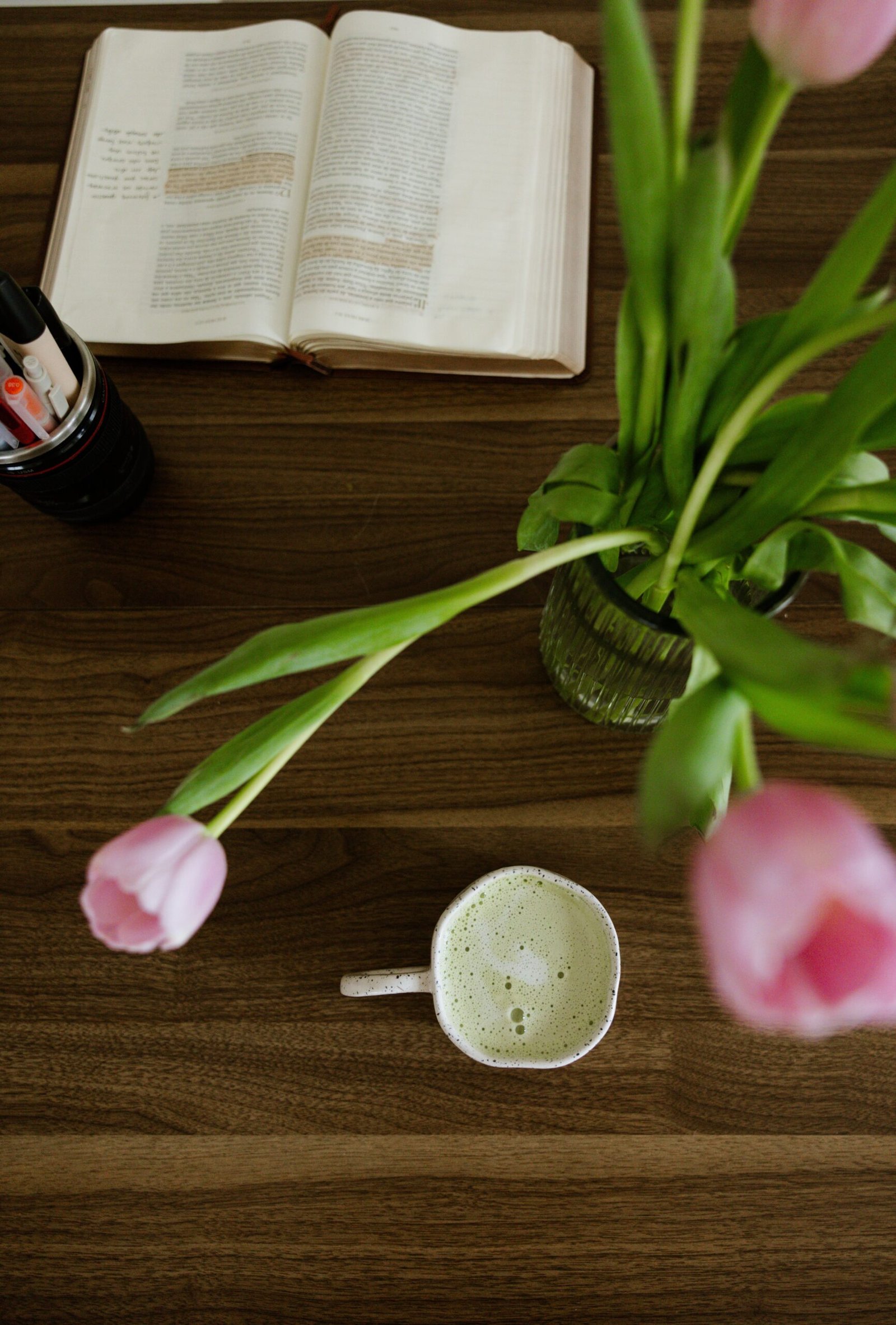
Morning Matcha Tea: How to Make It Well and What to Buy
As an Amazon Associate I earn from qualifying purchases. Some links in this post go to Amazon and may earn me a small commission at no extra cost to you.
Last Updated on September 21, 2026 by Smarteryouu
⭐ Morning Matcha Tea: How to Make It Well and What to Buy
Most people who say they do not like morning matcha tea have never actually had good matcha. They had a stale supermarket tin, whisked with a spoon, in water straight off the boil, and it tasted like bitter pond water. Which it would.
That is worth knowing before you write the whole thing off, because the gap between bad matcha and decent matcha is enormous. Wider than the gap between bad and decent coffee. And almost all of it comes down to three things nobody mentions on the tin: which grade you bought, how old it is, and how hot the water was.
So this is a practical guide rather than a list of benefits. What the grades mean, why the cheap stuff tastes the way it does, how to make a cup without turning it into a ceremony, and an honest look at what the research does and does not say. That last part is shorter than you would expect from everything else written on the subject.
This page contains affiliate links. If you buy through one of them we may earn a small commission at no extra cost to you.

⭐ What Matcha Actually Is
Green tea leaves, shade grown for a few weeks before picking, then dried and stone ground into a very fine powder. That is the whole thing.
The one meaningful difference from ordinary tea is that you drink the leaf rather than an infusion of it. With a teabag, hot water passes through and you throw the leaves away. With matcha the powder is suspended in the water and all of it goes down. That is why it is opaque, why it has body, and why quality shows up so obviously in the taste.
The shade growing matters too. Covering the plants before harvest changes how the leaf develops and is the reason good matcha tastes sweet and savoury rather than sharp. It is also labour intensive, which is most of why the good stuff costs what it does.
Colour is the quickest quality check you have. Good matcha is a vivid, almost electric green. Dull, yellowish or olive powder means older leaves, a later harvest, or a tin that has been open too long. You can see the difference across two tins on a counter without tasting either.
⭐ Why Does Cheap Matcha Taste So Bitter?
Usually because it is made from older, coarser leaves picked later in the season, and because it has been sitting in a clear bag under shop lights for months. Add water that is too hot and you get the flat, dusty bitterness that convinces people matcha is not for them.
Heat is the part you can fix for free today. Boiling water scalds the powder. Water around eighty degrees, which is a kettle boiled and then left alone for two or three minutes, makes a startling difference to the same tin of matcha. People who think they hate it are often two minutes of patience away from changing their mind.
Age is the part you fix at the shop. Matcha is a ground powder with a lot of surface area, so it goes stale quickly once air reaches it. A sealed tin beats a clear resealable pouch, and a pouch that has been open a month is already past its best.
The third culprit is lumps. Matcha clumps as it sits, and a spoon does not break the clumps up, so you end up with bitter pockets of dry powder and thin water around them. That is a technique problem rather than a taste problem, and it is solved further down.
⭐ Ceremonial or Culinary, and Which Do You Need?
Ceremonial grade if you are drinking it in water, culinary grade if you are putting it in milk or baking with it. The difference is real, the price gap is large, and buying the wrong one is the most common and most expensive mistake people make.
Ceremonial grade comes from the youngest leaves of the first harvest. It is smoother, sweeter and designed to be drunk on its own, where there is nothing to hide behind. Culinary grade comes from later harvests and is stronger and more astringent, which sounds like a fault and is actually the point when it has to cut through milk and sugar.
So a latte made with ceremonial matcha is largely a waste of money, because the milk flattens exactly the delicacy you paid for. And ceremonial in the morning, straight, is where the price finally makes sense.
Worth knowing: these terms are not regulated. Nobody certifies them and any seller can print either word on a pouch. Treat them as a rough guide to intent rather than a guarantee, and judge the actual powder by colour, origin and how recently it was packed. The same caution applies to a lot of food labelling, which is the subject of the piece on where the organic switch is and is not worth it.
⭐ Where the Honest Answer Stops
Matcha attracts more unsupported health writing than almost anything else in a kitchen cupboard, so it is worth being exact about what is actually known.
The National Center for Complementary and Integrative Health, part of the US National Institutes of Health, publishes a review of green tea and what the research shows. Its summary is one sentence long and does a lot of work. Many studies have been done, and definite conclusions cannot yet be reached on whether green tea is helpful for most of the purposes it is used for.
That is a federal research centre saying the evidence does not currently support most of what is claimed. So when a page tells you a daily cup detoxifies you, raises your metabolism or reduces inflammation, it is well beyond what anyone can presently demonstrate. This site is not going to repeat those sentences just because every other matcha page does.
There is a genuinely reassuring part to that page too, and it is one most articles skip. No safety concerns have been reported for green tea drunk as a beverage by adults. The worrying findings, including the rare cases of liver injury that occasionally get cited, relate to concentrated green tea extracts in tablet and capsule form rather than to a cup of tea. Drinking it and swallowing a supplement of it are not the same activity.
Two practical footnotes from the same source. Green tea can interact with certain medicines, so it is worth a word with a pharmacist if you take anything regularly. And it contains caffeine, which matters during pregnancy where intake should stay moderate.
What is left after all that is perfectly good. It is a pleasant, interesting drink with caffeine in it. That is enough of a reason to make one.
⭐ How to Make It Without Turning It Into a Ceremony
The traditional method exists for good reasons, but you do not need to observe all of it before breakfast. Here is the version that takes ninety seconds.
Sift about a teaspoon of powder into a wide bowl or a mug. Sifting is the step everybody skips and it is the one that actually prevents lumps, because it breaks the clumps before water ever reaches them. Add a splash of water around eighty degrees, just enough to make a paste, and work it smooth. Then add the rest of the water and whisk.
The whisking motion is a brisk W or zigzag rather than a stir. You are trying to aerate it, not dissolve it. Thirty seconds gets you a fine foam on top, which is not decoration, it is what gives the drink its texture.
A bamboo whisk does this far better than anything else because the many fine tines break up powder a wire whisk simply pushes around. A small electric frother is a reasonable substitute. A teaspoon is not, and that is the single most common reason a decent tin produces a disappointing cup.
Rinse the whisk in warm water straight after and let it dry sitting on its handle or on a holder. Do not use soap on it and do not leave it face down in a drawer, where the tines bend and snap.
⭐ Is It Better Than Coffee in the Morning?
No, and it is not worse either. It is a different drink with caffeine in it, and which one suits your morning is a question about taste and habit rather than about health. Anyone telling you matcha is objectively the superior morning drink is selling something.
The practical differences are worth knowing though. A serving of matcha generally carries less caffeine than a similar sized cup of brewed coffee, although both vary enormously with how strong you make them. Matcha is more work: sifting, whisking, a bowl to wash. And it costs more per cup than filter coffee, less than a café latte.
You will read a great deal about the specific quality of matcha alertness, usually described as calm focus. It is a pleasant description and there is no reliable way to check it, which is exactly the kind of claim the section above was about. Some people find they prefer how they feel on it. That is a perfectly respectable reason to drink it and it does not need a mechanism attached.
The one place matcha clearly wins is as an afternoon drink, because the ritual of making it is slow and the cup is small. That is a fair swap for a third coffee, and the same logic runs through most of the wellness and organic living guides here.
⭐ Keeping It Fresh After the Tin Is Open
Air, light, heat and moisture all degrade matcha, and they work faster than people expect. A tin that tasted lovely in March can be flat and dull by June sitting on a sunny shelf.
Keep it sealed, keep it dark, keep it cool and keep it dry. A cupboard is fine. The fridge is a common suggestion and a poor one unless the tin is genuinely airtight, because every time you take it out, condensation forms on cold powder and moisture is the fastest way to ruin it.
Buy small. Thirty grams looks like nothing and is around fifteen servings, which is about a month of most mornings. A large tin is worse value in practice than a small one, because the last third of it will not taste like the first.
Never scoop with a wet spoon. One damp teaspoon puts moisture into the whole tin and you will find hard clumps a fortnight later. The same principle applies across a lot of dry goods, which the guide to building a pantry one shelf at a time goes into properly.
⭐ The Mistakes That Put People Off Matcha
Almost everyone who gave up did at least two of these at once, which is why the result was so decisively unpleasant.
Boiling water is the first. Skipping the sift is the second. Stirring with a spoon instead of whisking is the third. Using culinary grade in plain water is the fourth, and the fifth is using a tin that has been open since last year.
The sixth is using too much powder, on the theory that more is stronger and stronger is better. Matcha does not work that way. Past a certain point you are just adding bitterness, and a heaped spoon in a small cup is unpleasant even with excellent powder.
If you tried it once, hated it, and have not gone back, it is worth one more attempt with a fresh tin and cooler water before deciding. It costs about a dollar to find out, and a surprising number of people change their mind entirely.
⭐ Best Sellers
Top Products and Picks
One for lattes, one for drinking straight, and the tools that make either taste like it should.
If you are making lattes, start here
Jade Leaf Organic Culinary Grade, 30g
Culinary grade is the right choice in milk, and this costs about the same as one café matcha latte. Do not drink it straight in water and then judge matcha by it. That is the mistake this whole page is about.
Check price on AmazonBuy this before you upgrade the powder
Jade Leaf Traditional Matcha Whisk Set
Bamboo whisk, scoop and a steel sifter, which is the piece that actually stops the lumps. Note it does not include a bowl, so use a wide mug or cereal bowl. Better tools improve cheap matcha more than better matcha improves a spoon.
Check price on AmazonIf you want to drink it straight
YAMASAN Kyoto Uji Ceremonial Grade, 30g
Ceremonial grade from Uji, in a sealed tin rather than a pouch, which matters more than almost anything else on the label. Thirty grams is roughly a month. This is the one that changes minds about matcha.
Check price on Amazon⭐ Final Thoughts
What makes this worth bothering with is not any of the things it usually gets sold on. It is that making a cup properly takes a minute and a half of attention on a morning that otherwise begins with a screen, and that the drink at the end is genuinely good when you have not ruined it.
There is no need to make it a practice or a ritual or part of anything larger. It is a nice drink that rewards a small amount of care, in a way instant coffee does not, and that is the entire appeal.
If you have written it off, the fix is almost always cooler water and a fresher tin. Try it once more that way before deciding it is not for you. And if it still is not, that is fine too. Not everything has to be for everyone, whatever the internet says about it.
⭐ Additional Resources
For what the research actually shows, the National Center for Complementary and Integrative Health keeps a plain summary of green tea, its usefulness and its safety. It covers what has and has not been demonstrated, the difference between drinking tea and taking concentrated extracts, and the medicines green tea can interact with. It sells nothing.
For the pantry and equipment side of drinking this way without it becoming a project, the guides in organic products and kitchen essentials cover what is worth owning and what is not.