
Psyllium Husk at Night: What It Does and What It Does Not
As an Amazon Associate I earn from qualifying purchases. Some links in this post go to Amazon and may earn me a small commission at no extra cost to you.
Last Updated on September 21, 2026 by Smarteryouu
⭐ Psyllium Husk at Night: What It Does and What It Does Not
Taking psyllium husk at night is about as simple as a habit gets. A spoonful in water, drunk quickly, an hour or two after dinner. It costs very little, it takes under a minute, and a bag of it lasts months.
What is not simple is the writing around it. Search for it and you will find pages confidently listing what it does to your cholesterol, your blood sugar and your gut bacteria, usually with no source and no mention of the things actually printed on the packet. That combination, big promises and no practical warnings, is how people end up having a miserable first week and quitting.
This guide goes the other way. What psyllium is, how much water it genuinely needs, how to start without regretting it, what the honest version of the evidence looks like, and who should ask a doctor before beginning at all. Less exciting, considerably more useful.
This page contains affiliate links. If you buy through one of them we may earn a small commission at no extra cost to you.

⭐ What Psyllium Husk Actually Is
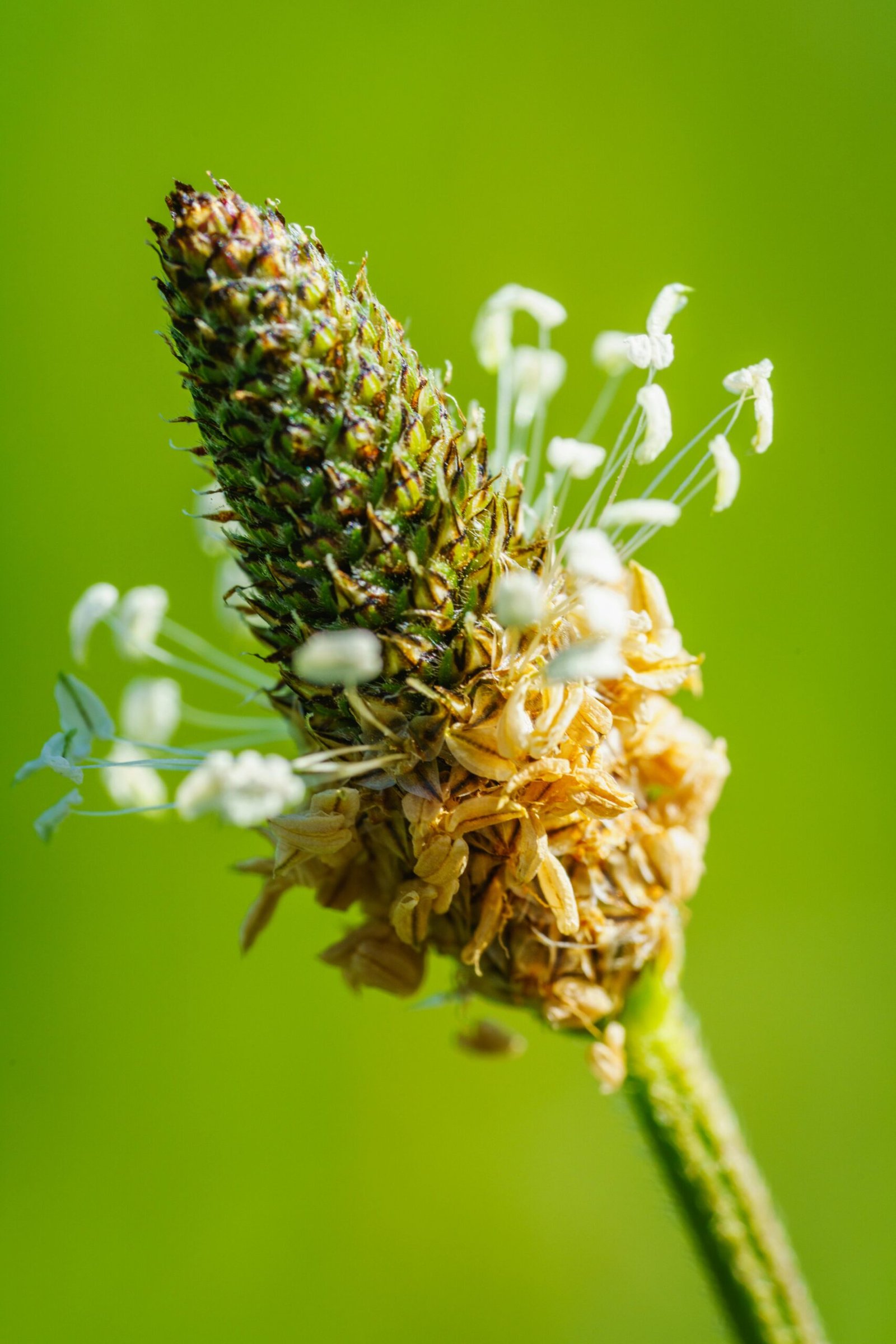
It is the outer coating of the seed of a plant called plantago ovata, most of it grown in India. That is the whole story. It is a food, not a drug, and it is sold as a food.
Its one notable property is that it holds an enormous amount of water. Stir a spoonful into a glass and within a minute or two you have something closer to a gel than a drink. That is not a defect and it is not a sign it has gone off. It is the entire reason people take it.
You will see it sold in two forms. Whole husk looks like pale flakes and is the less processed version. Powder is the same thing milled finer, which mixes more smoothly and thickens faster. Neither is better. The powder is easier to get down in water, the whole husk is easier to stir into porridge or yoghurt without turning it to paste.
Worth saying plainly before anything else: this is fibre. If you already eat a lot of beans, lentils, oats, vegetables and whole grains, you may not need it at all. Fibre out of a bag is a convenience, not an upgrade on fibre out of food, and the pantry guide covers the food version of the same thing.
⭐ Why Take It at Night Rather Than the Morning?
Mostly convenience and consistency rather than anything clever. Evenings are a more reliable slot than mornings for most people, the habit attaches easily to clearing up after dinner, and it puts a decent glass of water into a part of the day when many people drink almost none.
You will find pages explaining that the night timing lets it work with some natural overnight process. Treat that with suspicion. It is the kind of sentence that sounds like a mechanism without ever quite naming one.
There is one practical reason that does hold up. Because psyllium is best kept away from medication and supplements by a couple of hours, and most people take those in the morning, the evening is simply easier to fit around. More on that below.
Do not take it immediately before lying down. Give it an hour or two before bed. That is comfort rather than danger, but a large glass of thickening liquid taken at the moment your head hits the pillow is not a pleasant combination.
⭐ Where the Honest Answer Stops
This is the section most pages on this subject skip, so it is worth being precise.
Health Canada publishes a plain page on fibre. It says fibre may help with bowel regularity, may help lower blood cholesterol levels, and may help you feel full for longer. Read that sentence again and notice two things about it.
The first is the word may. A national health authority writing for the public chose a hedge, and it chose it deliberately. The second is that the page is about fibre in your diet as a whole. It is not a statement about any particular product, brand or spoonful.
So when a blog tells you flatly that a nightly spoonful lowers your cholesterol or steadies your blood sugar, it has taken a cautious general statement about diet and turned it into a specific promise about a product. That is a much bigger claim than the evidence behind it, and nobody making it is in a position to know whether it is true of you.
What can be said without stretching anything: psyllium is a concentrated source of soluble fibre, most people in Canada eat less fibre than the guidance suggests, and it is a cheap and easy way to add some. Anything beyond that belongs to you and your doctor, not to a website.
⭐ How Much Water Does It Actually Need?
A full large glass to mix it in, drunk promptly, and ideally another glass afterwards. This is the single most important thing on this page. Psyllium absorbs water and swells, so it must have enough liquid to swell in, and it should never be taken dry or with a small sip.
That warning is printed on every packet sold, in slightly different words. It is not this site being cautious. Taking a swelling fibre without adequate liquid is a genuine hazard, which is why manufacturers put it on the label rather than in the small print.
Drink it soon after mixing, too. Leave it sitting for five minutes while you do something else and you will come back to a glass of gel that is unpleasant to get through, which is how most people decide they hate psyllium and give up.
The other label instruction worth respecting is spacing it away from medication. Because it slows things down in the gut, it can affect how other things are absorbed if taken at the same moment. A couple of hours either side is the usual guidance, and your pharmacist can tell you what applies to whatever you actually take.
⭐ Start Smaller Than the Scoop Suggests
The mistake almost everyone makes is starting at the full serving on day one. The bag says a rounded teaspoon or more, so that is what people take, and then they spend three days bloated and uncomfortable and conclude it does not agree with them.
Start at roughly half. Stay there for a week. If that is fine, go up. If it is not, stay where you are or go lower, because a smaller amount you take every day is worth more than a full serving you take twice and abandon.
Some wind and bloating in the first several days is common when anyone raises their fibre intake quickly, whatever the source. It usually settles. Going up slowly is how you keep it mild rather than memorable.
And if it does not settle, stop. Not everything suits everyone, and there is nothing to be gained from pushing through something that keeps making you uncomfortable.
⭐ Is the Branded Flavoured Version Worth the Extra?
Sometimes, and it depends entirely on whether you will keep taking it. The branded orange flavoured tubs cost roughly two and a half times the plain husk for the same active fibre, and that premium buys you flavour, a scoop and a product that is much easier to swallow.
Which sounds like a bad deal written down, and often is not. Plain husk in water tastes of very little but has a texture people genuinely struggle with. If the flavoured version is the difference between a habit that lasts a year and one that lasts nine days, it is comfortably the better buy.
The honest trade is this. Plain organic husk is cheaper, has one ingredient, and lets you put it in porridge or a smoothie where the texture disappears entirely. The branded blends are easier to drink, contain added ingredients and sweeteners, and cost more per serving. Check the label either way, because the word fibre on the front of a tub tells you nothing about what else is in it.
If label reading is not a habit yet, the piece on where the organic switch is and is not worth it works through the same question across a lot of other products.
⭐ What the First Two Weeks Are Actually Like
Unremarkable, if you start small. A slightly odd drink, a bit of wind in the first few days, and then it becomes one of those things you do without noticing, like taking the bins out.
The practical difficulties are all logistical rather than dramatic. Remembering it on the nights you eat late. Finding a way to drink it that you do not dread. Working out where the bag lives so it is not a five minute search every evening.
A shaker bottle solves most of the texture problem on its own, because the thing that makes plain husk unpleasant is lumps, and lumps come from stirring something that thickens faster than a spoon can keep up with. Shake it hard for five seconds, drink it straight away, rinse the bottle immediately. Left until morning it sets into something you will regret.
Keep the bag somewhere you already stand in the evening rather than in a cupboard you never open. The same principle that makes any other habit stick applies here, and most of the wellness and organic living guides come back to it.
⭐ Who Should Ask a Doctor First
A short section, and a sincere one.
If you have any difficulty swallowing, any history of narrowing or blockage in the gut, or you have had abdominal surgery, this is a conversation to have with a doctor before you start rather than after. The same goes if you take regular medication, where a pharmacist can tell you in about a minute how to space things properly.
And if something has genuinely changed for you and that is why you are reading about fibre at eleven at night, please get it looked at rather than managing it with a supplement. A bag of husk is a reasonable thing to add to a normal diet. It is not a substitute for finding out what is going on.
None of that is meant to be alarming. It is the part of the subject that the enthusiastic articles leave out, and it takes thirty seconds to read.
⭐ Best Sellers
Top Products and Picks
Two ways of buying the same fibre, and the one piece of kit that makes either of them drinkable.
If you want one ingredient and nothing else
Yupik Organic Whole Husk Psyllium, 250g
Whole husk, unflavoured, certified organic, and the cheapest way to do this. Best if you plan to stir it into porridge or a smoothie, where the texture stops mattering. Shipped and sold by Amazon.
Check price on AmazonBuy this before you buy either powder
BlenderBottle Classic V2, 28oz
The wire ball is what stops the lumps, and lumps are the reason most people quit in week one. Five hard shakes, drink it straight away, rinse it immediately. Leave it until morning and you will not enjoy the clean up.
Check price on AmazonIf plain husk is the reason you gave up
Metamucil 4 in 1 Fibre Powder, Sugar Free
Flavoured, easier to drink and roughly two and a half times the price of plain husk for the same active fibre. Worth it only if it is the difference between doing this all year and stopping in a fortnight. For many people it genuinely is.
Check price on Amazon⭐ Final Thoughts
What makes this habit worth keeping is how little it asks of you. There is no programme, no plan and nothing to track. It is a spoonful and a glass of water, and once the bag has a home and the bottle has a place on the counter, it stops being a decision at all.
The reason so much written about it oversells is that a spoonful of plant husk is a boring thing to write about honestly. The honest version fits in a paragraph. Start small, use plenty of water, keep it away from your medication, give it a fortnight, and stop if it does not suit you.
That is genuinely all of it. If it works for you it will quietly keep working, and if it does not you will have spent about fifteen dollars finding out. Either outcome is fine, and neither one deserves the language it usually gets.
⭐ Additional Resources
Health Canada’s page on fibre is short, free of marketing and worth two minutes. It covers what fibre is, which foods carry it, how to read the amount off a Nutrition Facts table, and it is careful about what it does and does not claim, which is more than most of what you will find on the subject.
For getting more of it from meals rather than a bag, the guides in organic products and kitchen essentials cover the pantry and the equipment side of eating that way without it becoming a project.