
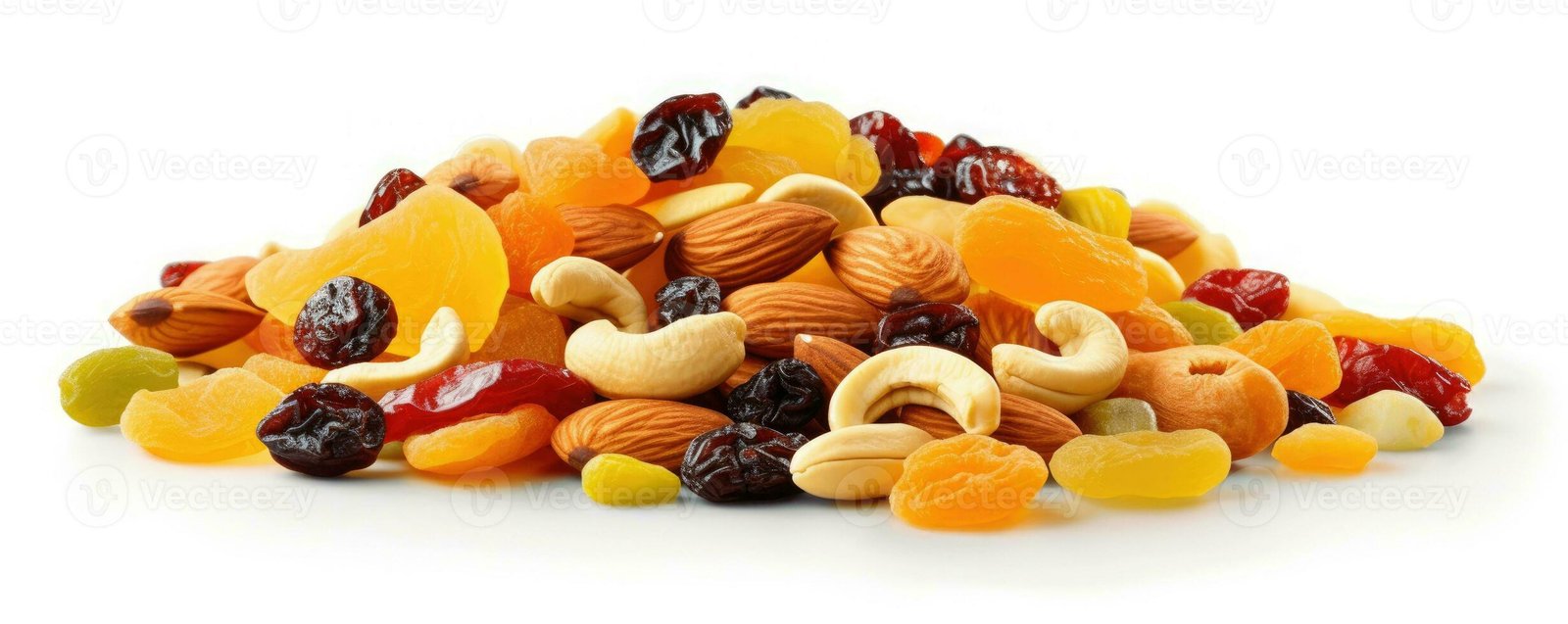
Organic Dry Fruits: How to Choose Them and What to Check on the Bag
As an Amazon Associate I earn from qualifying purchases. Some links in this post go to Amazon and may earn me a small commission at no extra cost to you.
Last Updated on September 5, 2026 by Smarteryouu
⭐ Organic Dry Fruits: How to Choose Them and What to Check on the Bag
Organic dry fruits sit in the part of the grocery store that looks the most straightforward and is quietly one of the trickiest. Two bags of dried cranberries side by side can be almost completely different products, one of them mostly fruit and the other mostly sugar, and nothing on the front of either bag will tell you which is which. Nuts have their own problem, which is that they go off far sooner than people expect and the signs are easy to miss. This guide is about the practical side rather than the inspirational side. What to turn the bag over and look for, which items genuinely reward buying the certified version, how much is a sensible amount to eat, and how to store the whole lot so you are not throwing half of it away in three months.

⭐ Why the Bag Matters More Than the Fruit
Dried fruit is one of the few foods where the processing varies enormously between products that look identical on the shelf. One bag of mango is mango that had the water taken out of it. Another is mango that was soaked in syrup first, then dried, then coated in a little oil so the pieces do not stick together.
Both are sold as dried mango. Both sit in the same aisle. The only place the difference shows up is the ingredient list on the back, which is regulated, unlike the front of the bag, which is designed.
So the habit worth building is simple and it takes two seconds. Turn the bag over before it goes in the cart. Almost everything useful in this post follows from that one action.
⭐ Added Sugar, Oils and the Words to Look For
The ingredient list is ordered by weight, heaviest first. On a good bag of dried fruit that list is one item long: the fruit. Anything beyond that is worth a second look.
Sugar appears under a lot of names. Cane sugar, cane juice, fruit juice concentrate, glucose syrup and apple juice concentrate all belong in the same mental category. Fruit juice concentrate is the one that catches people out, because it sounds like fruit and behaves like sugar.
Oil is the other common addition, usually sunflower or cottonseed, added to keep pieces separate. It is a small amount and it is not sinister, but it is worth knowing it is there, particularly on raisins and chopped dates.
The word to look for is unsweetened, and it is the single most useful word on the whole bag. Cranberries are where it matters most, since they are too sharp to eat unsweetened and are almost always sold with sugar added. If you want the unsweetened version you have to go looking for it deliberately.
⭐ Why Dried Apricots Come in Two Very Different Colors
This is the question that comes up more than any other. One bag of dried apricots is bright orange and one is dark brown, and they cost about the same.
The bright ones have been treated with sulfur dioxide, which preserves the color. The dark ones have not, and the brown is simply what apricots do when they dry without it. The dark ones usually taste more concentrated and slightly more caramelized. Neither is a mistake.
Sulfites have to be declared on the label where they are present above a set threshold, so this is one thing you can check reliably. Certified dried fruit is generally the untreated kind, which is a large part of why it looks different, and it is a real difference rather than a marketing one.
Which you prefer is a taste question. This post is not going to tell you one is better for you, because that is a matter for a medical professional rather than a blog, and anyone who tells you otherwise is going further than they should.
⭐ Which Ones Reward the Certified Version
Dried fruit is a concentrated crop. The water is removed and everything else stays, in a smaller volume, which is the same reason coffee and dried herbs are worth buying certified. That makes this a category where the upgrade has a clearer argument behind it than most.
Within it, the thin skinned fruits that dry with the skin on are where it counts most. Raisins, golden raisins, apricots, figs and dates all fall there. Nuts are a slightly different case, since most are shelled, but almonds and peanuts are the two where people most often choose the certified version.
Where it matters least is anything you would peel anyway, and anything sold in a heavily processed form where the certification is doing less work than the recipe. The broader version of this sorting exercise is in the post on where the switch is worth it and where it is not.
⭐ Portions, and the Part Nobody Puts on the Bag
Here is the honest bit. Dried fruit is fruit with the water taken out, which means it is the same food in a much smaller package, and a handful goes down in about fifteen seconds.
That is not a warning and it is not a reason to avoid it. It is simply worth knowing that a bowl of dried fruit is not the same quantity as a bowl of the fresh version, and that most people eating from a large open bag underestimate how much has gone.
The fix is mechanical rather than a matter of willpower. Put a portion in a small bowl and put the bag away. Or buy the small bags instead of the large one, which costs slightly more per gram and solves the problem entirely. Mixing dried fruit with nuts also slows the whole thing down, which is most of why that combination has been sold together for about a century.
⭐ Nuts Go Off, and Here Is How to Tell
This is the part most people have never been told. Nuts are full of oil, and that oil turns. It does not make them moldy or obviously spoiled, it makes them taste flat, slightly bitter, faintly like old paint. Walnuts and pecans go first, then almonds, then the harder nuts.
The test is to smell a handful before you use them. Fresh nuts smell sweet and faintly milky. Turned nuts smell like a paint tin. Once you have noticed it once you cannot unnotice it, and it explains a lot of nuts you have quietly not enjoyed.
The answer is cold storage. Nuts keep for months in the refrigerator and close to a year in the freezer, and they thaw in minutes with no loss of texture. Dried fruit is less fragile but goes hard and sugary at room temperature over time, so a sealed container away from heat and light is enough. The wider storage question is covered in the guide to building an organic food pantry, and the containers themselves in organic kitchen essentials.
⭐ Making It a Habit Instead of a Good Intention
A bag of nuts at the back of a high shelf does not replace anything. The packet of chips at eye level wins every time, and that is a question of placement rather than resolve.
What has actually worked is keeping a small jar where the snack decision gets made, which for most people is a kitchen counter or a desk. Filling it once a week takes a minute. The bag itself stays in the refrigerator, which handles the freshness problem at the same time.
The other thing worth pairing it with is something to drink, since a lot of afternoon snacking is not really hunger. A cup of green tea with lemon alongside a small handful is a pleasant habit, and one that has stuck here longer than most.
If you are looking at other everyday swaps in the same spirit, the guide to choosing and using olive oil covers the other item that gets used constantly and is bought carelessly.
⭐ Best Sellers
Top Products and Picks
- Unsweetened dried cranberries, the one item on the shelf where the sweetened version so dominates that you have to look for this on purpose.
- Raw almonds in a resealable bag, which keep far longer than roasted and salted ones and can be toasted at home in five minutes.
- Untreated dried apricots, the dark ones, worth trying once even if you have only ever bought the bright orange kind.
- A small glass jar with a clamp lid, for the counter, which is the difference between a good intention and a habit.
⭐ Final Thoughts
None of this needs to be a project. It is a bag of fruit and a bag of nuts, and the whole of the useful advice fits in a sentence: turn the bag over, buy the unsweetened one, and keep the nuts cold.
What makes it stick is not discipline, it is placement. A jar where you actually stand, filled once a week, quietly changes what gets eaten in the afternoon without anyone deciding to change anything.
And if the chips still win some days, that is fine too. The point was never a perfect week. It was having something good within reach on the days it would have been easier not to, which is a much smaller and much more achievable thing than most articles on this subject would have you believe.
⭐ Additional Resources
Since almost everything in this post comes down to reading the back of a package, the Food and Drug Administration guide to reading a nutrition label is worth ten minutes. It explains serving sizes, how added sugar is separated from the sugar naturally in fruit, and how to compare two packages that are not the same size.