
As an Amazon Associate I earn from qualifying purchases. Some links on this page go to Amazon and may earn me a small commission at no extra cost to you.
⭐ What the Garden Needs Before the Frost
For the October afternoon
Collapsible Garden Waste Bag, 10 Gallon
It stands up on its own, so you are not wrestling a bag open with one hand while holding a rake in the other. Folds flat for the eleven months of the year you are not raking. Buy two if you have more than one tree, because walking back to a single bag is what makes the job feel long.
Once the natural food runs out
Brome Squirrel Buster Mini Bird Feeder, 1 lb Capacity
Most feeders sold as squirrel proof are not. This one closes its ports under a squirrel’s weight, which is a mechanism rather than a promise, and it comes apart for cleaning without tools. One pound suits a small garden. Winter is when a feeder earns its keep, because from November to March it is the only thing in the garden doing anything at all.
Leaves now, trimmer in May
Greenworks 24V Cordless Blower and String Trimmer Combo
This is a combo, so a string trimmer comes with it. The blower is the half you want in October and the trimmer waits in the garage until spring, which is a reasonable trade at this price. Twenty four volts is the light duty line, so it suits a small or average garden rather than an acre. Battery and charger are in the box.
⭐ Outdoor Garden Ideas and Guides for a Yard You Actually Use
Most outdoor garden ideas are written for a yard nobody has, tended by somebody with a free Saturday every week. This section is for the rest of us. A patch of grass that needs cutting, a fence that could look better, a corner that gets sun and currently grows nothing, and about an hour on a good week. Everything here starts from the same place. I buy the thing, use it through a season, and write down what actually happened, including the tools that went back and the plants that did not survive July. There is no single right way to have a yard, and a lot of what gets written about gardening assumes ambitions most people do not have. So the guides below are sorted by what you are actually trying to do rather than by season or by plant family. Start wherever your yard is annoying you most.
⭐ Start With the Space You Have
Almost every disappointing garden started with a plan that ignored the site. Sun is the constraint that decides everything else, and it is the one people skip because it takes a day to observe rather than an afternoon to buy.
Watch where the light falls at three points in one day and you will know more than any plant label can tell you. Six hours of direct sun opens up tomatoes and most fruiting vegetables. Three or four is enough for salad leaves and most herbs. Below that you are working with foliage and shade plants, and knowing that in April saves a summer of disappointment.
The beginner guide to starting your first garden works through choosing a spot, reading your soil and deciding what to grow. If your space is very small, a narrow side return or a balcony, the constraints are different enough that there is a separate guide for small spaces covering containers and growing upward.

⭐ What to Do First in a Neglected Yard
Inheriting an overgrown space is the most common starting point and the most overwhelming. The instinct is to clear everything at once, which is a long weekend and usually a mistake.
A better first move is to do nothing for a season except cut the grass and watch. Things you would have dug out in March turn out to be worth keeping in June, and you learn where the water sits, where the frost lingers and which corner nobody ever walks past.
The jobs genuinely worth doing straight away are the ones that make the space usable rather than beautiful. A clear route from the door. Somewhere to put tools down. A spot where you can sit. That is the whole first month, and the outdoor and garden essentials guide covers the storage and shade side of getting a space into working order.
⭐ Growing Something, Even If It Is Only Herbs
The fastest way to find out whether you enjoy any of this is to grow something you will actually eat, within about six weeks, without much effort. Herbs do that better than anything else.
They tolerate pots, they tolerate being forgotten for a few days, several of them come back on their own the following year, and the difference between a supermarket packet and something cut two minutes before dinner is large enough that people who were not interested in gardening suddenly are. The guide to the easiest herbs to grow for beginners covers which ones are genuinely forgiving and which have a reputation they do not deserve.
Start with three, not twelve. A crowded windowsill of struggling seedlings is a worse advertisement for the hobby than two pots doing well, and you can always add more in a month.
⭐ The Tools Question, Answered Honestly
This is where most money gets wasted, and it is wasted in a predictable way. People buy a set, use two things from it, and store the rest for years.
The short version is that a trowel, gloves that fit, pruning shears and something to water with will carry a first season. Everything else can wait until you meet the job it solves. There is a full breakdown of what to buy first and what to skip in the guide to outdoor garden essentials for beginners, including the honest list of things people buy every spring and never touch.
When you do want to go deeper on the hand tools themselves, how to choose them and how to keep them from rusting, that is covered in the guide to outdoor and garden tools. Anything with a motor is a separate decision with its own tradeoffs, and the outdoor garden power tools guide deals with mowers, trimmers and whether cordless is worth it yet.
⭐ Keeping the Lawn Reasonable Without a Weekend Job
A lawn does not need to be a putting green to look cared for. Most of the difference between a yard that looks tidy and one that does not comes from two habits rather than from products.
Cut it higher than feels right, because longer grass shades the soil, holds moisture and crowds out the weeds that would otherwise take the bare patches. And cut it more often in the growing season rather than letting it get long and then scalping it, which stresses the grass and leaves the gaps that weeds move into.
Weeds are the part people reach for a bottle to solve first, when a thicker lawn does most of the work on its own. The guide to weed control in Canada covers identifying what you actually have, treating the spots rather than the whole yard, and what the rules are where you live, since several provinces restrict what may be used on a lawn.
⭐ Using the Space After Dark
This is the change that surprises people most, because it costs very little and it roughly doubles the hours a yard is useful. A space you only see in daylight is a space you use at weekends. A space that looks inviting at eight in the evening is one you step into after work.
The two things that decide whether outdoor lighting works are the warmth of the bulbs and where they are pointed, and neither of them costs more than getting it wrong. Cold white floodlights make a yard look like a parking area. A few warm lamps at low level make the same yard look like somewhere to sit.
The guide to outdoor garden lighting covers color temperature, placement height, what solar can genuinely manage through a winter, and how to avoid glare. If the seating side is what you are missing rather than the light, the outdoor patio section covers furniture and shelter.
⭐ How Anything Gets Recommended Here
Nothing appears in these guides because a brand asked. The process is slow and fairly unglamorous. I buy the thing, use it through a season, and write down what happened.
That has consequences worth stating. Some popular products are not here because I have not used them. Several recommendations come with a caveat attached rather than a clean endorsement. And where a piece of common garden advice is weaker than it sounds, the post says so, which is less satisfying to write than another confident tip but is the whole point of the site.
It also means the guides get updated when something turns out differently in year two than it did in year one, which happens more often outdoors than anywhere else in a house.
⭐ Best Sellers
Top Products and Picks
- A one piece forged hand trowel, the tool that gets picked up every single time and the one place a few extra dollars removes a failure point.
- A pair of bypass pruning shears with replaceable blades, which slice rather than crush and outlast several cheap pairs.
- Weatherproof string lights with warm bulbs, the cheapest change on this list and the one that most changes how often the space gets used.
- A weatherproof storage box for tools and cushions, which is what stops a tidy yard sliding back into a cluttered one by August.
⭐ Final Thoughts
A yard is never finished, and that is the best thing about it rather than the worst. Something is always coming up, going over or needing cutting back, which means there is always a small job available and never an urgent one.
So there is no need to plan a whole garden. Pick the thing that bothers you most, whether that is the corner you cannot walk through or the fact that you never go out there after six, and fix only that. Then leave it alone for a few weeks and see how you feel about the next thing.
Most of the good outdoor spaces I have seen were built exactly that way, one small decision at a time, by people who were not trying to build anything in particular. They just kept going outside, noticing one thing, and dealing with it. That is genuinely the whole method, and it works far better than a plan drawn up in February.
⭐ Additional Resources
Before starting on anything with a blade or an engine, Health Canada guidance on backyard and outdoor safety is a short read covering mowers, generators, torches and the injuries that turn up on the first warm weekend every year.
-
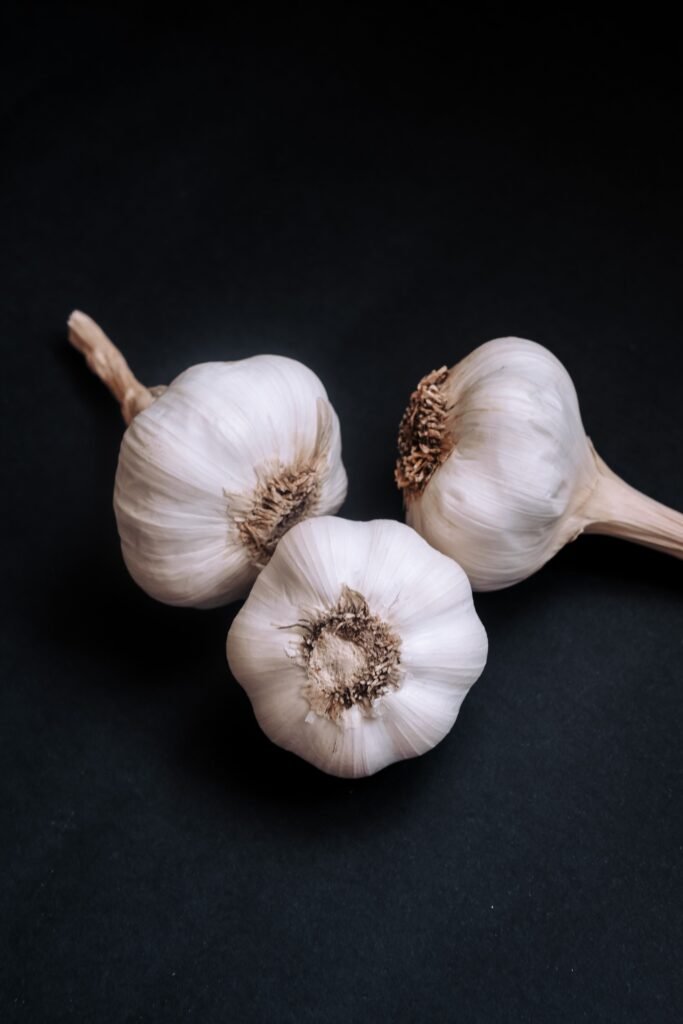
How to Plant Garlic in the Fall for a Summer Harvest
Last Updated on October 2, 2026 by Smarteryouu ⭐ How to Plant Garlic in the Fall for a Summer Harvest Most gardens are winding down by October. The tomatoes are finished, the herbs are fading, and the beds are starting to look bare. It is exactly the moment when one crop is just getting started.…
-
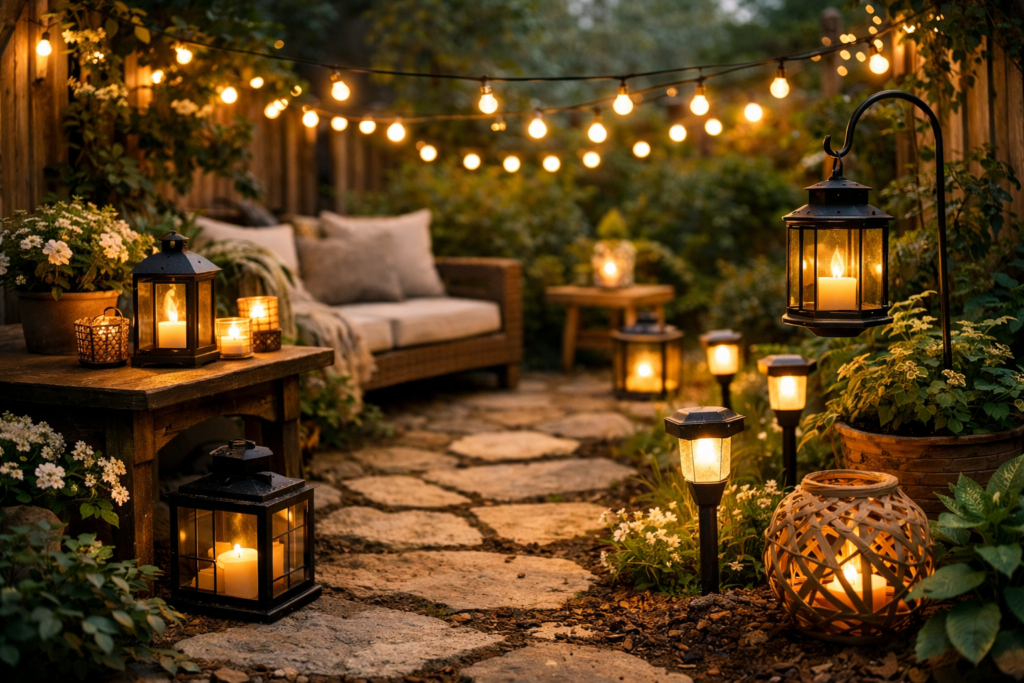
Outdoor Garden Lighting Ideas That Make Your Evenings Cozy
Last Updated on October 2, 2026 by Smarteryouu ⭐ Outdoor Garden Lighting Ideas That Make Your Evenings Cozy Most outdoor garden lighting ideas fail for the same two reasons, and neither of them is the budget. The light is too bright, and it is the wrong color. A yard lit with cold blue white floodlights…
-
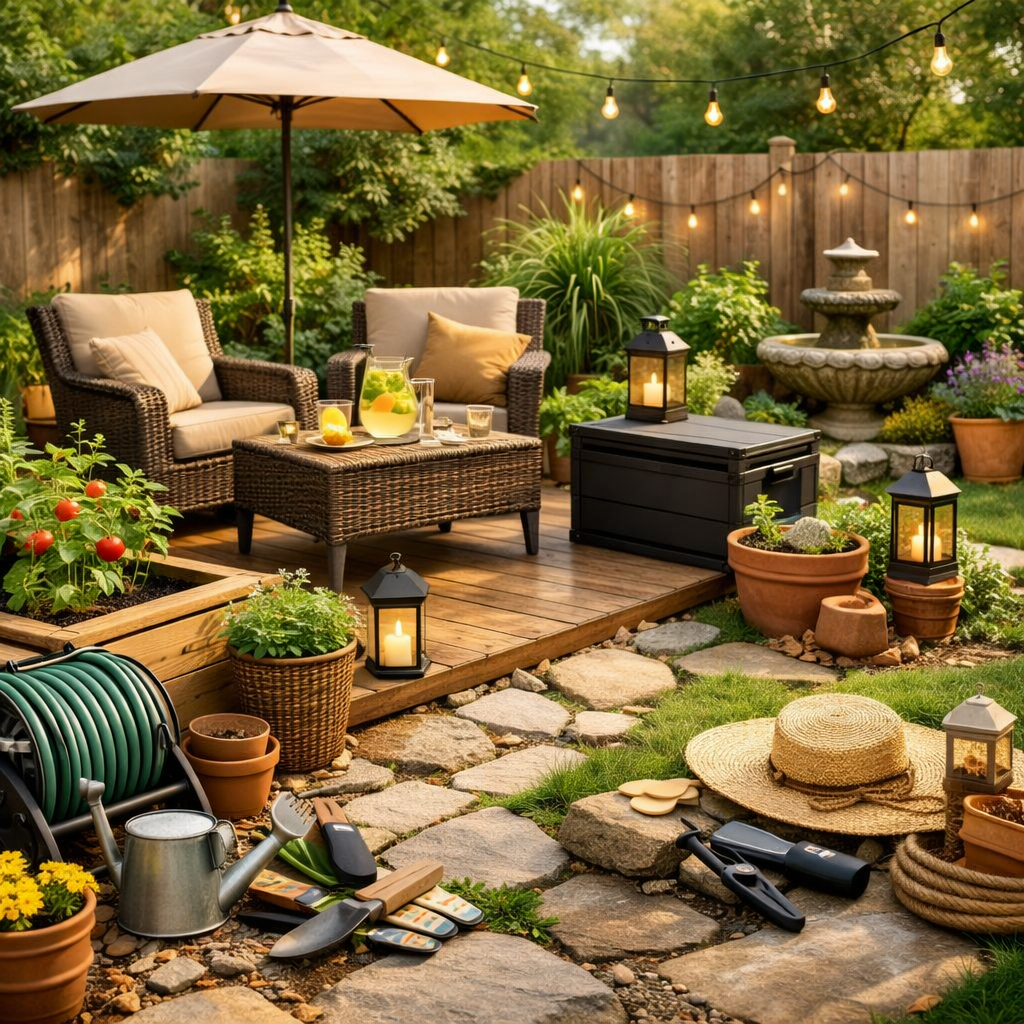
Outdoor and Garden Essentials: Storage, Shade and Keeping a Backyard Tidy
Storage that survives a winter, shade you can actually move, and the two jobs each season that stop a tidy yard sliding back into a cluttered one.
-
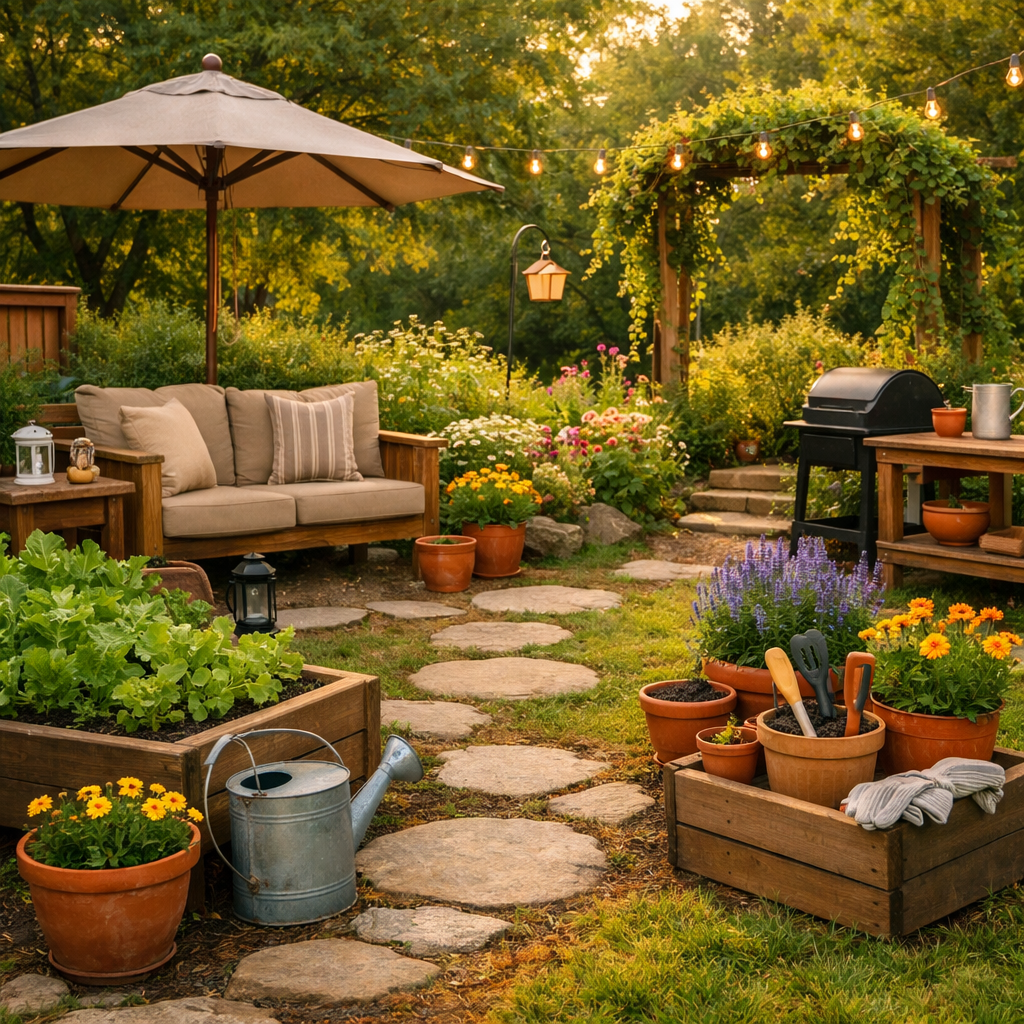
Small Backyard Garden Ideas for a Cozy Outdoor Space
A narrow strip, a courtyard, a balcony with room for three pots. How to choose containers, grow upward, and make very little space feel like more.
-
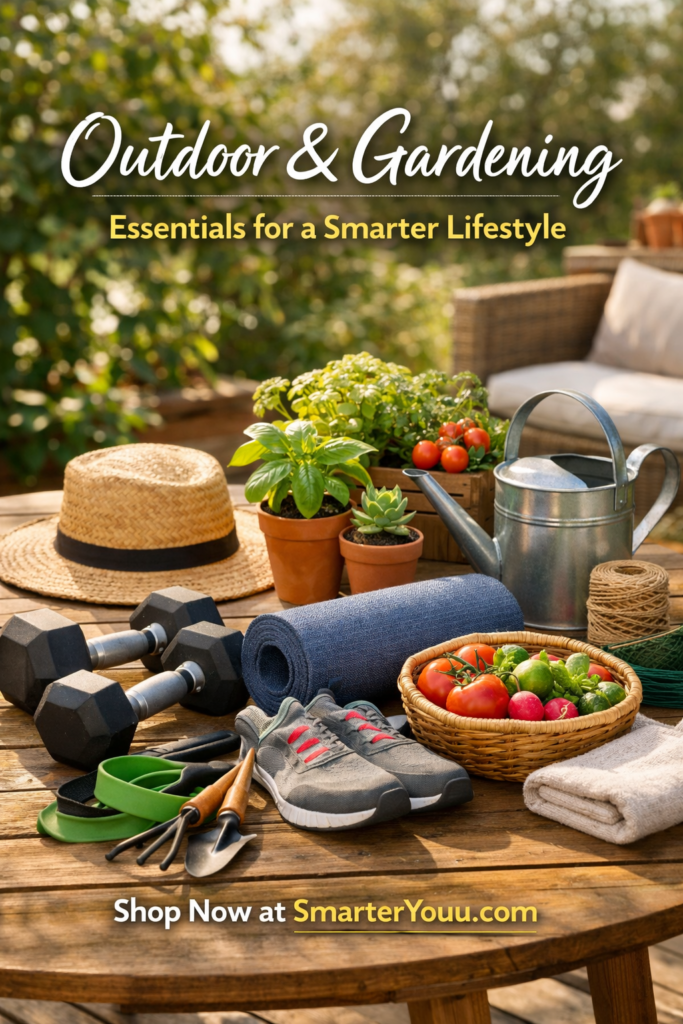
Outdoor Garden Essentials for Beginners
Five things worth buying in week one, what can safely wait a year, and the honest list of what beginners buy every spring and never touch.
-
Easiest Herbs to Grow for Beginners, and the Ones That Are Harder Than People Say
Which herbs forgive a beginner, which ones have a reputation they do not deserve, and the single mistake that kills more basil than anything else.
-
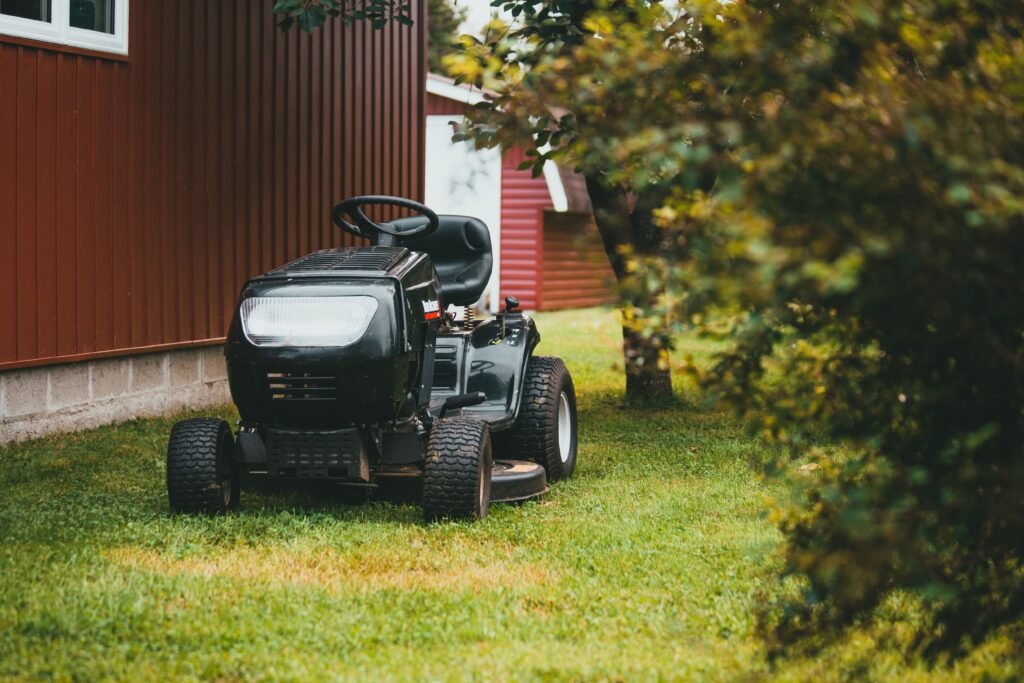
Outdoor Garden Power Tools: Corded, Cordless and What Actually Lasts
The battery platform matters more than the tool you are buying. Corded against cordless, what to buy first, and what ten years of one mower taught me.
-
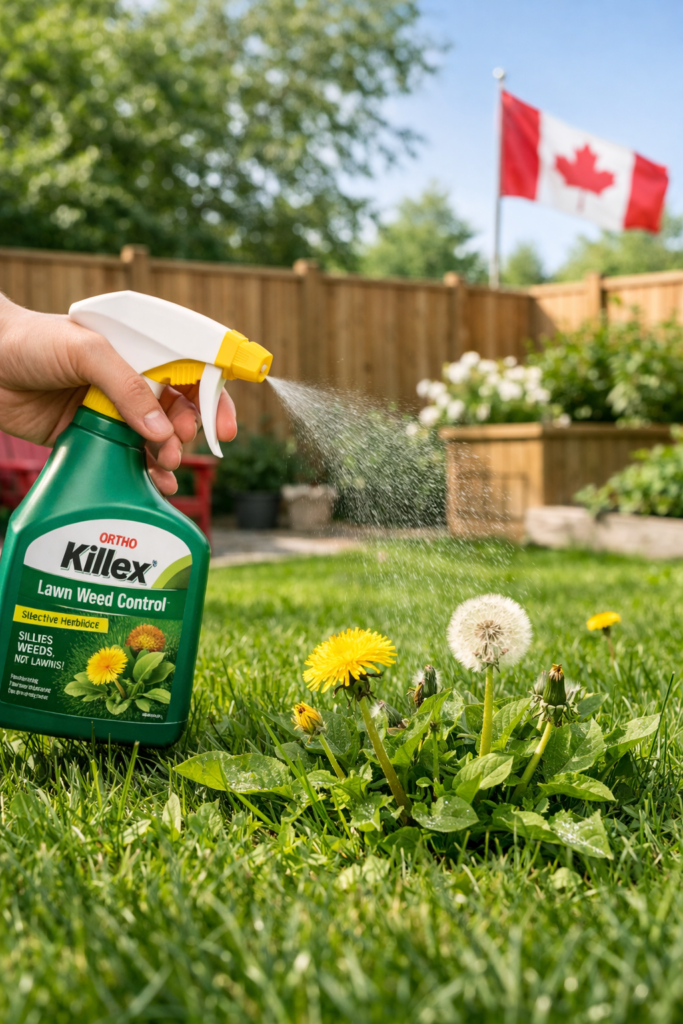
Weed Control in Canada: Identifying Lawn Weeds and Treating Them Properly
A thicker lawn does more than a bottle does. How to identify what you actually have, when treating is worth it, and why the rules differ by province.
-
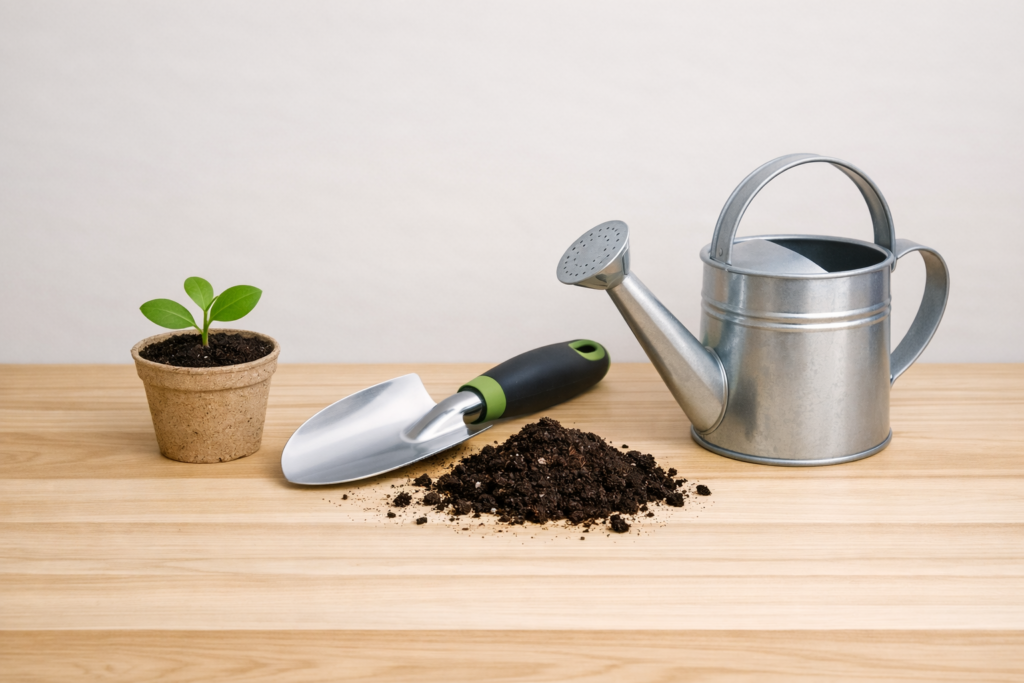
Backyard Garden for Beginners: Choosing the Spot, the Soil and What to Grow First
Last Updated on October 3, 2026 by Smarteryouu ⭐ Backyard Garden for Beginners: Choosing the Spot, the Soil and What to Grow First A backyard garden for beginners usually fails for one of two reasons, and neither of them is a lack of effort. It went in the wrong place, or it went into ground…
-
Outdoor and Garden Tools: Choosing Ones That Last and Keeping Them Sharp
What separates a tool that lasts twenty years from one that bends in a season, plus the five minutes of care each fall that decides which you own
For working out what will survive a winter where you live, the plant hardiness zone map is the reference the numbers on plant labels refer to, and it is worth knowing your zone before buying anything perennial.
🏡 Smart Home; 🏋️ Home Exercising; 🌿 Wellness & Organic Living; 🚗 Automobiles Essentials; ⭐ Best Sellers; 🏕️ Outdoor & Camping; 🛠️ Home Improvement; 🛋️ Home Decor Inspiration; 🧹 Storage & Organization; 🌱 Organic Products; ✈️ Travel Essentials; 🧰 DIY Tools; 🪑 Outdoor & Patio Furniture.