
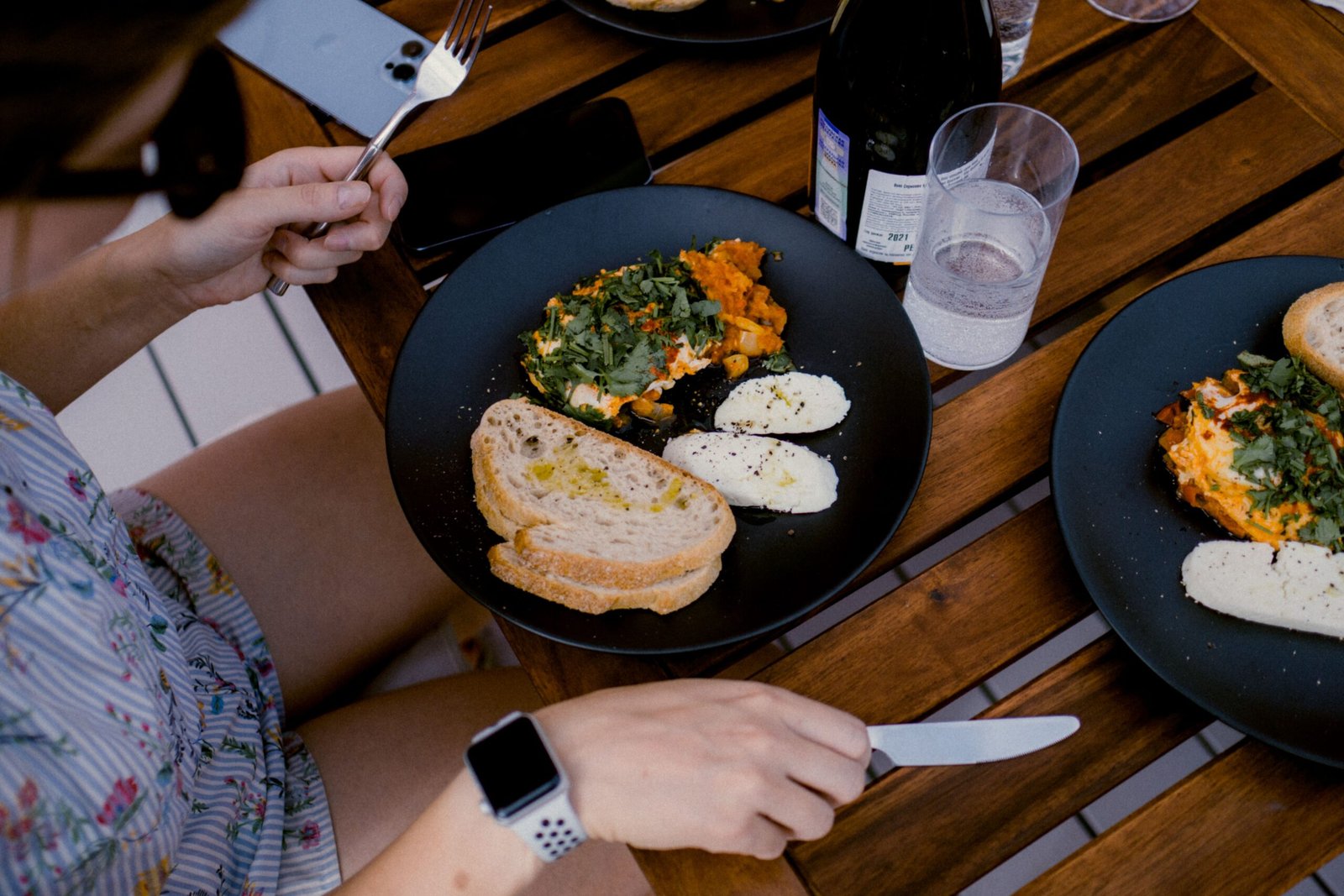
Why I’ve Been Cooking at Home More Often
As an Amazon Associate I earn from qualifying purchases. Some links in this post go to Amazon and may earn me a small commission at no extra cost to you.
Last Updated on October 3, 2026 by Smarteryouu
⭐ Why I’ve Been Cooking at Home More Often
A few weeks ago, I ordered black pepper chicken at a restaurant and got served beef instead. It was not a big deal in the end, I ate it anyway, but it got me thinking about how much I do not actually see or control when I eat out. I do not know how long the ingredients sat before they were used. I do not know the kitchen’s cleaning schedule. I am simply trusting that everything happened the way it should have.
That is not a knock on any particular restaurant. Most places genuinely do follow food safety guidelines, and a wrong order is usually just a busy kitchen having an off moment rather than a sign of something deeper. But it did remind me why I have leaned more toward cooking at home lately, and it gave me a reason to actually look into what food safety really involves, both at home and when eating out.
⭐ What You Actually Control When You Cook at Home
When I cook, I know exactly how long the chicken sat in the fridge before it went into the pan. I know my cutting board was washed between raw meat and vegetables. I know the oil has not been reused for a week straight. None of this means restaurant food is unsafe, most kitchens are inspected and held to real standards, but at home, I am not guessing about any of it. I am the one doing the work, which means I am also the one who knows it was done properly.
This is really the core difference. Eating out means trusting a process you cannot see. Cooking at home means being part of that process from start to finish.

⭐ What Food Safety Actually Means, In Practice
Food safety is not really about whether a kitchen looks clean on the surface. It comes down to a handful of specific practices that either happen or do not.
Keeping raw meat separate from produce and ready to eat food matters, since this is how cross contamination spreads. Cooking meat to the correct internal temperature matters too, chicken needs to reach 165°F, ground beef 160°F, and whole cuts of beef or pork around 145°F with a few minutes of rest. And time and temperature control matters just as much as either of those, food should not sit at room temperature for more than two hours, or one hour if it is a particularly hot day, since that is the window where bacteria multiply fastest.
These are the same standards health inspectors check for when they visit a restaurant, and they are the same standards worth following in your own kitchen. Most food safety issues, wherever they happen, come down to one of these three things being skipped.
⭐ What I Actually Look For When I Do Eat Out
I still eat out regularly, and I do not think anyone needs to feel anxious about a meal someone else cooked. But there are a few small things I pay attention to now, mostly just habits rather than red flags.
I notice if hot food actually arrives hot, and if cold food arrives cold, since that tells you something about how it was stored before it reached the table. I pay attention to general cleanliness at the table and around the dining area, not because a messy table means the kitchen is unsafe, but because it is a reasonable, visible signal. And if something ever seems off with a dish, I will ask instead of assuming it is fine. None of this is about distrust, it is just the same kind of attentiveness I would want in my own kitchen
⭐ Why Cooking at Home Also Just Makes Sense Financially
Beyond food safety, this is honestly the bigger reason I have been cooking more. A meal that costs fifteen or twenty dollars at a restaurant often costs a third of that made at home, and I usually end up with enough for leftovers the next day. Over the course of a month, that difference adds up to something real, without requiring any drastic change to how or what I eat.
Cooking at home also means I get to choose the ingredients directly. I can pick fresher produce, control how much salt or oil goes into a dish, and skip the preservatives that show up in a lot of pre-made or fast food options. It is less about strict health rules and more about simply having the option to decide.
⭐ A Few Habits That Have Made Home Cooking Easier
I am not someone who enjoys spending hours in the kitchen every night, so most of what has made this stick for me is small and low effort. Prepping a couple of proteins at the start of the week saves a lot of decision making later on. Keeping a thermometer on the counter instead of buried in a drawer means I actually use it instead of guessing. And having two or three simple meals I can make without thinking, a stir fry, a sheet pan dinner, a big pot of soup, means I am not starting from scratch every time I am tired and do not feel like cooking.
None of this requires being a great cook. It just requires a few habits that make home cooking the easier option most days, rather than something that feels like extra work.
⭐ Best Sellers — Kitchen Tools That Support Safer Home Cooking
A few simple tools make it easier to cook safely and consistently at home, without much extra effort.
- Digital Meat Thermometer — Takes the guesswork out of knowing whether chicken or beef has actually reached a safe internal temperature, instead of cutting into it and hoping.
- Color Coded Cutting Board Set — An easy way to keep raw meat separate from produce and ready to eat food without having to think about it every time.
- Glass Food Storage Containers — Useful for storing leftovers properly and keeping track of how long something has actually been in the fridge.
- CDC Food Safety Basics — general guidance on safe food handling, storage, and cooking temperatures.
⭐ SmarterYouu Internal Links
⭐ Final Thoughts
I am not avoiding restaurants, and I do not think eating out is something to worry about. Most kitchens take food safety seriously, and an occasional mix up, like getting beef instead of chicken, is usually just an ordinary mistake rather than a sign of anything larger.
What has actually changed for me is paying more attention to the parts of food safety I can control directly, and realizing that cooking at home gives me more of that control, along with saving some money along the way. That is really the whole reason behind the shift, not because eating out is unsafe, but because home cooking happens to fit what I am looking for right now.