
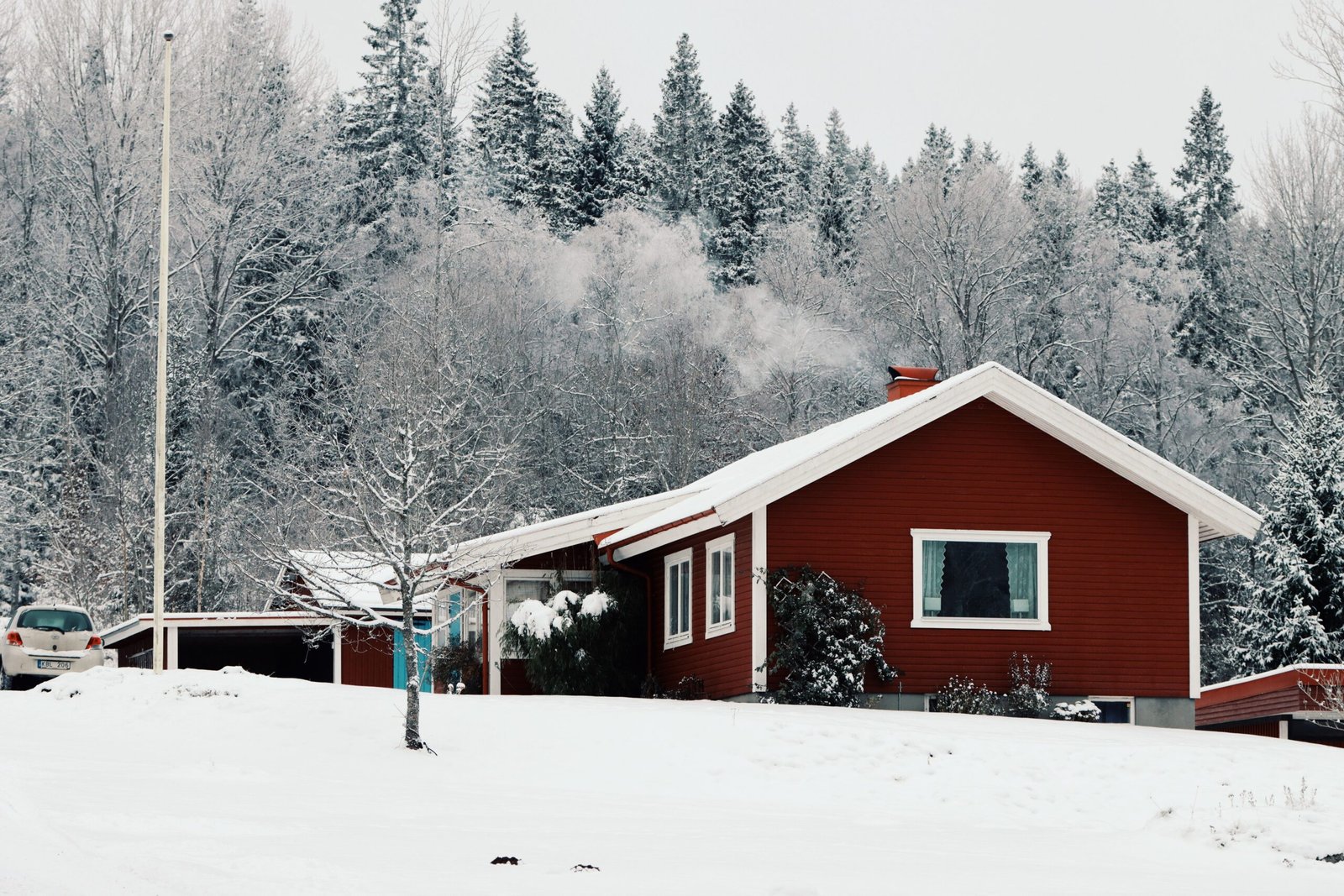
Get Your Home Ready for Winter: A Calm October Checklist
As an Amazon Associate I earn from qualifying purchases. Some links in this post go to Amazon and may earn me a small commission at no extra cost to you.
Last Updated on September 29, 2026 by Smarteryouu
⭐ Get Your Home Ready for Winter: A Calm October Checklist
Every year the first real cold snap seems to arrive a little sooner than expected. One week the patio chairs are still out and the windows are open. The next, the furnace is running, there is a draft by the back door, and someone remembers the garden hose is still attached to the tap.
The simplest way to get your home ready for winter is to do a handful of small jobs in October, while the days are still mild and nothing feels urgent. None of them are difficult. Most take less than an hour, and several cost nothing at all.
This checklist walks through them in a sensible order, starting outside and working in. The goal is not a perfect house. It is a home that stays warm, dry and comfortable, with fewer surprises once the snow arrives.
Some links on this page are affiliate links. If you buy through one, this site may earn a small commission at no extra cost to you.

⭐ When Should You Start Preparing for Winter?
Early to mid October is the sweet spot for most of Canada. The weather is usually still mild enough to work outside comfortably, and there is time to finish before the first hard frost. Starting now also means any small repair can be booked before tradespeople get busy.
Waiting until November tends to turn easy jobs into cold, rushed ones. Disconnecting a hose on a sunny afternoon takes two minutes. Doing it with numb fingers after the first freeze warning is a different experience entirely.
It helps to split the list across two or three weekends rather than trying to do everything at once. One weekend for the outside, one for drafts and the furnace, and a quiet evening for the safety checks. Spread out like that, the whole thing barely feels like a project.
If you enjoyed getting through summer with our guide to keeping a home cool without much effort, think of this as the other half of the year. The idea is the same. A few small choices made early do most of the work for you.
⭐ Start Outside While the Weather Is Still Mild
Outdoor jobs come first, because they are the ones that become unpleasant or impossible once it turns cold.
Begin with the garden hose. Disconnect it, drain it and store it somewhere dry. Water left in a hose attached to an outdoor tap can freeze and back up into the pipe. If your home has an indoor shutoff valve for the outdoor tap, close it, then open the outdoor tap to let the last of the water drain out. A simple insulated faucet cover adds one more layer of protection on the outside.
Next, look up at the eavestroughs. Leaves collected over the fall can block them, and blocked eavestroughs tend to overflow once snow starts melting. If they are within easy reach from a sturdy step ladder, clearing them is a quick job. If they are high, this is one worth handing to someone with the right equipment.
Then there is the patio. Cushions should come inside to stay dry, and furniture either goes into a shed or garage or gets a fitted cover. Folding and stacking pieces first saves a surprising amount of space. Our outdoor furniture guide has more on which materials handle a Canadian winter outdoors and which are better stored.
Finally, walk around the outside of the house once. Look for gaps around pipes and cables where they enter the wall, loose siding, or anything that might catch the wind. Noting them now gives you time to deal with them calmly.
⭐ How Do You Find Drafts Around Windows and Doors?
Wait for a windy day and slowly move the back of your hand around the edges of each window and door. Cool moving air is easy to feel. A strip of tissue held near the frame works too, since it will flutter wherever air is getting through. Pay attention to the bottom of exterior doors.
Once you know where the drafts are, the fixes are usually simple and inexpensive. A gap under a door can be closed with a door sweep or a draft stopper that slides onto the bottom of the door. Gaps along the sides of a door or a sliding window can be sealed with adhesive weatherstripping.
For older windows that feel cold even when shut, clear window insulation film is a popular seasonal fix. It is applied inside the frame with double sided tape and then tightened with a hair dryer, so it becomes almost invisible. In spring it peels away. It is not glamorous, but on a drafty window it can make the room noticeably more comfortable.
Start with the room you use most in the evenings. Fixing one or two drafts there often makes more difference to how the house feels than sealing every window in the home.
⭐ Give the Furnace a Little Attention
The furnace does the hardest work of any appliance in a Canadian home over winter, and the most useful thing most people can do for it is also the easiest. Change the filter.
The filter size is printed on the edge of the one already installed, so take a photo of it before you shop. Many households swap it at the start of the heating season and then check it every month or two. A clogged filter makes the system work harder, and a fresh one is inexpensive.
Beyond the filter, a yearly service by a licensed technician is worth booking in the fall, before the first cold week when everyone calls at once. Anything involving the burner, the gas line or the venting belongs with a professional, not a weekend project.
Inside the house, take a quick walk around and make sure heating vents and radiators are not blocked by sofas, curtains or boxes. If you have a smart thermostat, this is a good moment to set a simple schedule so the house warms up before you wake and eases off while it is empty. Our guide to smart home automations that actually save time walks through a few that are easy to set up.
⭐ Why Does the Air Feel So Dry Indoors in Winter?
Cold outdoor air holds very little moisture. When it comes inside and gets heated, the amount of water in it stays the same while the air becomes much warmer, so it feels far drier. That is why winter often brings static shocks, dry skin and a scratchy feeling on waking.
A small hygrometer, which reads the humidity in a room, takes the guesswork out of it. Many people find a humidifier in the bedroom helps. Others simply notice the difference when they dry laundry indoors or keep a lid off a pot of simmering soup.
There is a balance to keep, though. Too much moisture in a cold house can show up as condensation on windows. We cover the ranges people generally aim for, and how they change through the year, in our guide to indoor humidity levels season by season.
⭐ What Safety Checks Should You Do Before Winter?
Test every smoke alarm and carbon monoxide alarm using the test button, and replace batteries where needed. Check the date printed on each alarm, since they do not last forever. If your home has a furnace, fireplace, gas water heater or attached garage, make sure there is a working carbon monoxide alarm.
Winter is when most homes run the appliances that burn fuel, and Health Canada notes that carbon monoxide has no smell, taste or colour and can only be detected with an alarm. That is the whole reason these checks matter. A plug in alarm with a battery backup is one of the easiest things in this entire checklist to set up.
A few habits help too. Never run a generator, barbecue or camping stove indoors or in a closed garage. Keep the area around the furnace clear of storage boxes. And if you have a wood fireplace, have the chimney inspected before the first fire of the season.
It takes about ten minutes to walk through the house and press every test button. Doing it on the same weekend every October makes it easy to remember.
⭐ A Small Kit for Storm Days and Power Outages
Winter storms can knock the power out for a few hours or occasionally longer. A small kit, kept in one known spot, turns that from a scramble in the dark into a minor inconvenience.
The basics are simple. A flashlight or two with spare batteries. Some bottled water. A few foods that need no cooking. A charged power bank for phones. Warm blankets somewhere easy to reach. A printed list of important phone numbers, in case a phone runs flat.
The Government of Canada keeps a helpful checklist for building an emergency kit, linked below, which is a good way to see what you might be missing. Most people already own nearly everything on it. The kit is really just about gathering it all into one box.
Do not forget the car. A scraper, a small shovel, a blanket and a phone charger are worth keeping in the trunk from November onward. Our list of automobile essentials you actually need covers what earns a permanent place in the car. For more ideas across the whole home, the Smart Living section gathers everything else on the site.
⭐ Best Sellers
Top Products and Picks
Four inexpensive, practical items that cover the jobs above, from the outside tap to the alarm by the furnace.
The first job of the season
Frost King FC2 Outdoor Faucet Cover
For every home with an outdoor tap. A hard plastic shell with insulation inside that slips over the tap once the hose is off. Buy one per outdoor tap, and put it on the same afternoon you drain the hose.
Check price on AmazonIf you feel air under a door
Everlasting Comfort Under Door Draft Stopper
For the gap at the bottom of an exterior or basement door. It slides onto the door with no drilling, so it suits renters. Fits doors 76 to 91 cm wide, so measure yours before ordering.
Check price on AmazonFor older, drafty windows
Duck MAX Strength Window Insulation Kit, 10 Windows
For windows that feel cold even when closed. Thicker than standard kits and enough for about ten ordinary windows. You need scissors and a hair dryer. It peels away in spring. Start with the room you sit in most.
Check price on AmazonIf you have a furnace or fireplace
First Alert CO605A Carbon Monoxide Alarm
For any home that burns fuel for heat or has an attached garage. It plugs into a standard outlet and has a battery backup for power outages. One button tests and mutes it. Follow the manual for where to place it.
Check price on Amazon⭐ Final Thoughts
Getting ready for the cold months is less about big projects and more about a few small ones done at the right time. A drained hose, a sealed draft, a fresh filter and a tested alarm do not look like much. Together, they make the difference between a winter that runs quietly in the background and one full of small surprises.
There is no need to tackle the whole list in a single weekend. Pick the outdoor jobs first while the weather is kind, then work your way inside over the following weeks.
By the time the first snow falls, you can simply enjoy it. A warm room, a cup of something hot, and the quiet feeling of a home that is already looked after.
⭐ Additional Resources
Health Canada: Carbon monoxide overview explains where carbon monoxide comes from in a home and how to reduce the risk of exposure.
Government of Canada: Emergency kits offers a checklist of what to keep on hand for power outages and winter storms.