
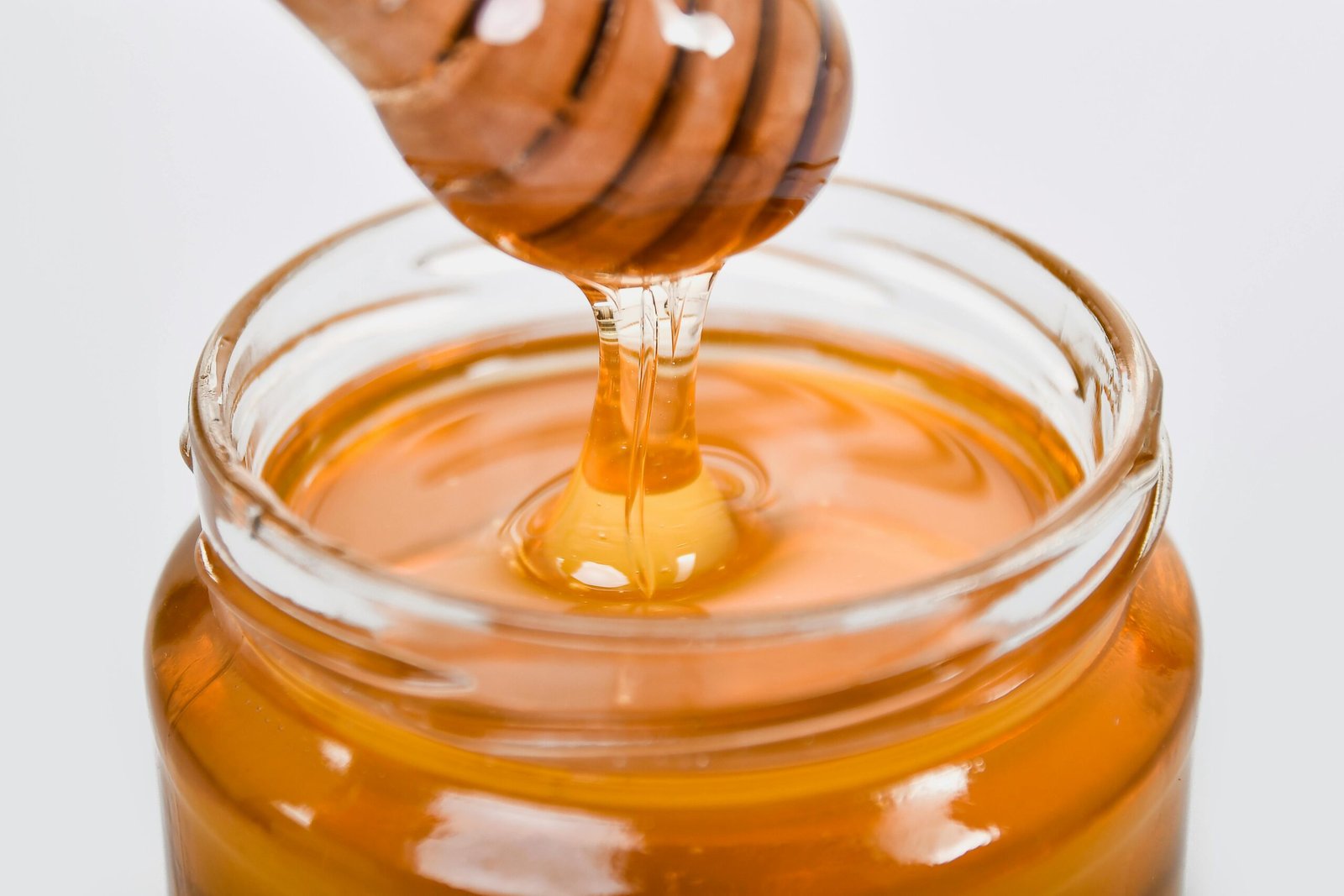
Benefits of Manuka Honey: What the UMF and MGO Numbers Actually Mean
As an Amazon Associate I earn from qualifying purchases. Some links in this post go to Amazon and may earn me a small commission at no extra cost to you.
Last Updated on October 3, 2026 by Smarteryouu
⭐ Benefits of Manuka Honey: What the UMF and MGO Numbers Actually Mean
The benefits of manuka honey are talked about constantly and explained almost never, which is a problem when a small jar can cost as much as a week of groceries. Most articles list what it is supposed to do for you and skip the part you actually need in a shop, which is how to read the numbers on the label and tell a genuine jar from an expensive one that is trading on the name. This guide does it the other way round. It covers where the honey comes from, what UMF and MGO are measuring, how the two numbers relate, which grade is worth the money for the way you will realistically use it, and how to keep a jar so it lasts. There is also an honest section on what the evidence does and does not support, because that part usually gets left out.
⭐ Where It Comes From and Why That Sets the Price
This honey comes from bees working the flowers of a single shrub that grows in New Zealand and parts of Australia. That shrub flowers for a short window each year, in weather that is not always cooperative, in places that are often difficult to reach. The supply is small and it does not scale on demand.
That is most of the price explained. It is not a manufacturing cost, it is a scarcity cost, and it is why the same jar can swing widely in price between one season and the next.
It also explains why the label matters so much. When something is scarce and expensive, the incentive to stretch it or mislabel it is obvious, which is why New Zealand introduced a formal government definition of what may be exported under the name. The details are in Additional Resources at the end.
⭐ What the UMF Number on the Jar Is Measuring
UMF stands for Unique Manuka Factor. It is a grading system run by an industry association, and a jar carrying it has been tested in a laboratory against several markers, then licensed to print the number.
The number itself is a scale of chemical concentration. A higher number means more of the compounds the test looks for. It is not a scale of quality in the way a star rating is, and it is not a scale of how good it will taste. A jar at ten and a jar at twenty are the same honey at different strengths, not a poor version and a good one.
The practical value of UMF is that it is verified by a third party. A jar with a license number printed on it can be checked. A jar that simply says manuka in large letters with no number anywhere has told you nothing you can act on.
⭐ MGO, and How the Two Numbers Relate
MGO is methylglyoxal, a compound that forms naturally in this honey as it matures. An MGO figure is a direct measurement of how much of it is present, in milligrams per kilogram, and it is the simpler of the two numbers because it measures one thing rather than several.
The two systems track each other roughly. A jar around UMF 10 sits near MGO 260. Around UMF 15 you are near MGO 510. Around UMF 20, near MGO 830. Those pairings are why jars often print both, and why a jar printing only a very large MGO figure is not necessarily stronger than one printing a modest UMF, it is simply using the scale that produces the bigger number.
The useful takeaway is to compare like with like. Two jars are only comparable on the same scale, and a shelf where half the jars use one system and half use the other is designed, intentionally or not, to make comparison hard.

⭐ How to Tell a Real Jar From a Vague One
There are four things worth checking, and they take about ten seconds between them.
First, a graded number printed on the front, on either scale. Second, a country of origin, since the name refers to a plant that grows in a specific part of the world. Third, a license or batch number that ties the jar to a test. Fourth, packing in the country of origin rather than shipping in bulk and bottling elsewhere, which is the step where honey is most easily blended.
Words to treat as decoration rather than information include active, premium, wild, pure and raw. None of these are graded terms. A jar can carry all five and still be ordinary honey with an impressive label, which is the whole reason the grading systems exist. This is the same pattern that shows up across the category, and the post on where a label is worth paying for and where it is not covers how it works elsewhere.
If you are still deciding whether the premium is worth it at all rather than which jar to buy, the comparison in manuka honey versus regular honey is the better starting point.
⭐ Which Grade Is Worth Buying, and When It Is Not
If you are buying it to eat, to stir into tea or to put on toast, the lower grades are the sensible choice. The price climbs steeply with the number, the taste does not change much, and a jar at ten or fifteen is what most people end up finishing rather than saving.
The higher grades exist because some people want the strongest concentration available and are willing to pay for it. That is a legitimate preference. It is worth being clear that you are paying for concentration measured in a laboratory, not for a proportionally better outcome, and the next section explains why that distinction matters.
For most households the honest recommendation is one modest jar rather than one expensive one. A small jar of lozenges is the other format worth knowing about, since it is easier to carry and a common way people use it, and there is a lozenge option on Amazon if that suits you better than a jar and a spoon.
⭐ What the Evidence Actually Supports
This is the section most articles on this subject leave out, and it is the reason this post reads differently from the ones above it in the search results.
The compound the grading measures has been studied and does behave in particular ways in laboratory conditions. That is a real finding and it is why the grading systems were built around it. What has not been established is that a spoonful eaten at breakfast produces a specific health outcome in a person. Those are two very different claims, and a great deal of writing about this honey moves from the first to the second without acknowledging the gap.
So this post does not tell you it will do anything for your immunity, your digestion or your skin. It is a pleasant, expensive, carefully graded honey with an unusually well documented supply chain. That is a fair description and it is enough. If you want it, buy it because you like it, not because an article promised you an outcome.
Anything to do with a health condition is a conversation for a medical professional rather than a blog post, including this one. For the topical side, which people ask about most often, there is a separate guide on using manuka honey in a skin care routine.
⭐ Storing It and Using It Without Wasting It
Honey does not spoil in the way most foods do, but an expensive jar can still be spoiled by handling. Keep it sealed, at room temperature, away from direct light. It does not need refrigeration and the cold will only make it stiff and difficult to spoon.
Use a clean dry spoon every time. Water and crumbs introduced into the jar are what causes a jar to ferment, and it is the single most common way a good jar is ruined. If it crystallizes, that is normal rather than a fault, and warm water around the outside of the jar will loosen it.
On using it, the only practical note is that it is strong and a little goes a long way. Stir it into tea once the water has cooled slightly rather than at a rolling boil, and treat it as a finishing ingredient rather than something to bake with, since the flavor you paid for is largely lost in a hot oven. It is also, quite simply, very good on plain yogurt. If you are thinking about the wider shelf it sits on, the guide to building an organic food pantry covers how the rest of it fits together.
⭐ Best Sellers
Top Products and Picks
- A UMF 10 plus jar from New Zealand Honey Co, the sensible starting point and the grade most people actually finish rather than save.
- A UMF 15 plus jar, a step up in concentration for a modest step up in price, and the middle of the range.
- A UMF 20 plus jar, for anyone who specifically wants the higher end of the graded range.
- A UMF 23 plus jar, the top of the usual retail range, and worth buying only if the concentration is the specific thing you are after.
⭐ Final Thoughts
There is a particular kind of pressure around this jar. It is expensive enough that buying one feels like a decision, and it is written about in a way that suggests you are missing out if you have not. Neither of those is a good reason to buy anything.
What is true is that it is a carefully made, traceable, genuinely scarce food with a grading system behind it that most groceries can only dream of. If you enjoy it, that is reason enough, and a small jar at a modest grade will give you the whole experience for a fraction of the money.
If you would rather not, that is also fine, and nothing in your life is going to be measurably worse for it. The jar in my own cabinet is a modest one, it gets used on yogurt in the morning, and it lasts a long time. That is about the size of it.
⭐ Additional Resources
New Zealand is the only country with a formal legal definition of this honey for export, and the Ministry for Primary Industries page on authenticity testing explains what that definition is, which chemical and DNA markers are checked, and why the test exists at all. It is the most useful single page on the subject and it is written for the public rather than for the industry.