
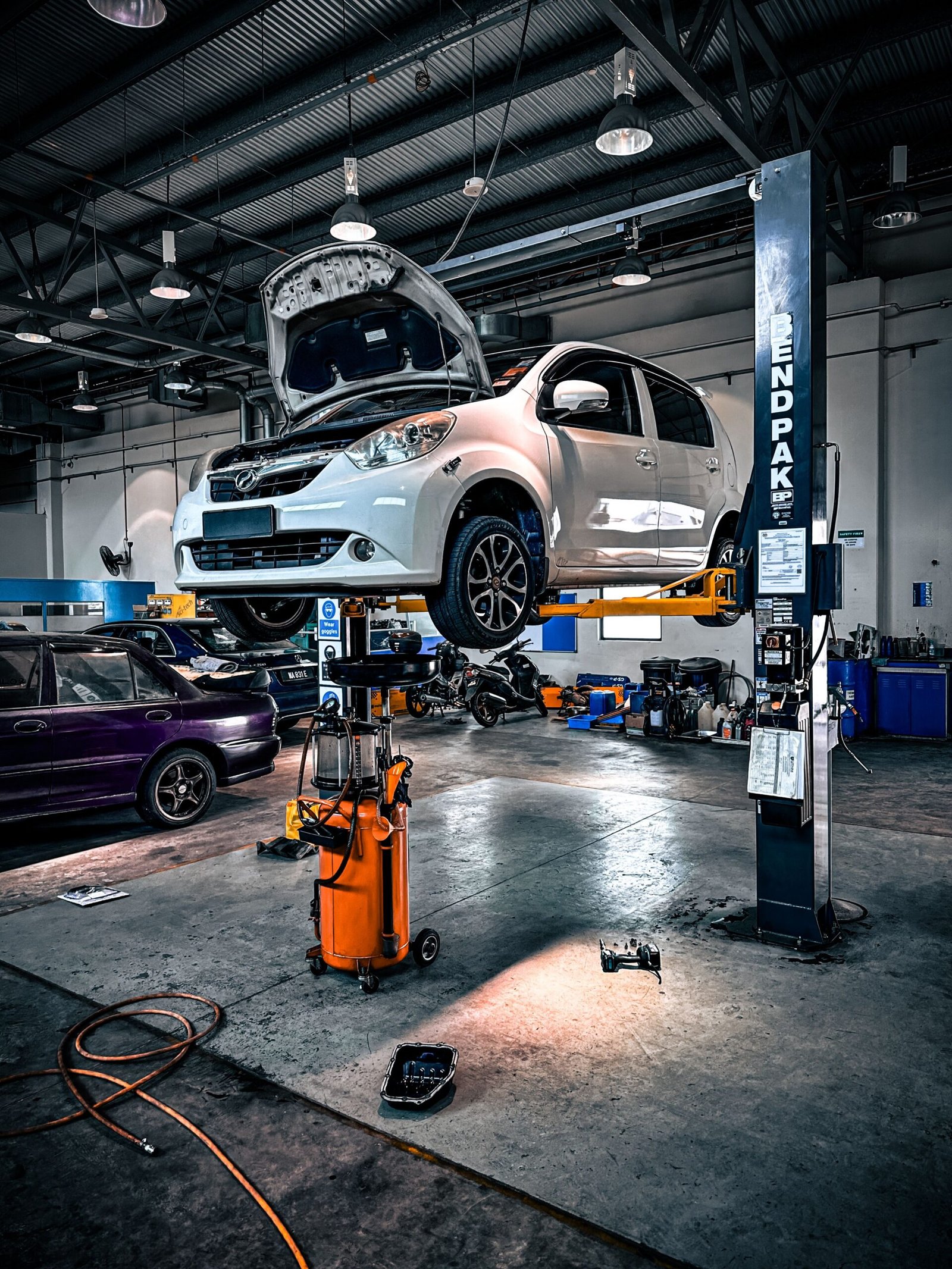
Car Maintenance Essentials, a Beginner’s Real Starting Point
As an Amazon Associate I earn from qualifying purchases. Some links in this post go to Amazon and may earn me a small commission at no extra cost to you.
Last Updated on September 27, 2026 by Smarteryouu
⭐ Car Maintenance Essentials, a Beginner’s Real Starting Point
Most large repair bills are not sudden. They are a small thing that was left alone long enough to become a big thing. Low pressure wears a set of tyres out early. Old oil wears an engine. A tired battery becomes a car that will not start on the coldest morning of the year. A clogged air filter quietly costs fuel every week. None of that is dramatic and all of it is avoidable. The useful part of car maintenance essentials is not a long list of equipment, it is knowing which few habits prevent most of the expensive outcomes and which tools are actually worth owning to support them. What follows is the short version, written for someone starting from nothing rather than someone already comfortable under a bonnet.

⭐ The Tools Worth Buying First
A digital pressure gauge is the first thing to own, because it supports the habit with the best return for the least effort. Correct pressure improves economy, shortens stopping distance and stops a set of tyres wearing out on one edge.
A portable inflator is second. It runs off the twelve volt socket and means you are never waiting on a station air pump that may or may not be working.
A code reader is third, and only becomes relevant the day a warning light appears. Rather than guessing, it plugs in and tells you what the car is actually complaining about. That does not mean you can fix it. It means you walk into a garage knowing something instead of nothing, which changes the conversation.
After that, a basic kit. Screwdrivers, a socket set, pliers, an adjustable wrench and trim tools cover most of what a beginner will attempt. A torque wrench matters more than it sounds like it should, because most of the damage beginners do is overtightening, and a wheel nut done by feel is either loose or stripped.
⭐ If You Are Going Under the Car, Read This Part Twice
A jack lifts a car. It does not hold one up. Those are different jobs and confusing them is the single genuinely dangerous mistake available in home car maintenance.
If any part of you is going under the vehicle, it goes on stands, on level ground, on concrete rather than gravel or grass, with the wheels chocked. Every time, including the time it is only for a minute.
This is the one area where I would not economise and would not improvise. Ramps are an alternative for oil changes and are arguably simpler for a beginner, since there is no lifting involved at all.
Gloves are worth having too, for the ordinary reason that oil and hot exhaust and sharp edges are all under there together.
⭐ Oil, and Why the Manual Beats the Internet
Oil lubricates, cools and carries away debris, and skipping changes is the most direct route to engine damage there is.
Intervals sit somewhere around eight to twelve thousand kilometres for most modern cars and shorter, nearer five to seven thousand, for older ones. Those are general figures and they are not the answer for your car.
Grade and viscosity vary by manufacturer, by model and sometimes by engine within the same model. The owner’s manual is the actual source and a general chart is not, because the wrong viscosity genuinely affects how the engine runs and how long it lasts. This is the single most common place where following average advice produces a worse outcome than reading four lines in a book you already own.
If you do it yourself, the kit is the correct oil, the correct filter, a filter wrench, a funnel, a drain pan, gloves, towels, and stands or ramps.
⭐ The Battery, and the Signs It Is Going
A flat battery is the most common reason people call for roadside help, and it almost always announces itself first.
Slow cranking is the main one. Dim headlights at idle. A rapid clicking on the key. A warning light on the dash. None of those are subtle once you know to look for them, and all of them appear days or weeks before the morning it does not start at all.
What extends battery life is unglamorous. Drive the car regularly rather than letting it sit. Keep the terminals clean. Avoid a long run of very short trips, which never fully recharge it. Switch the lights and electronics off before the engine.
Three to five years is the usual life, heavily affected by climate. If you drive a hybrid or an electric car this matters more than you would think, and our piece on living with a hybrid, an EV and a gas car covers why the small battery is the one that strands people.
⭐ The Fluids the Car Actually Depends On
Engine oil lubricates and cools. Coolant stops the engine overheating in summer and freezing in winter. Brake fluid is what makes the pedal work. Transmission fluid keeps shifting smooth. Power steering fluid makes the wheel light at low speed. Washer fluid keeps you able to see. Differential fluid matters on trucks and all wheel drive.
Check the levels monthly. Top up only with what the manufacturer specifies, because mixing the wrong coolant or the wrong brake fluid causes damage that costs far more than the bottle you saved on.
Washer fluid deserves a specific note in a Canadian winter. Summer fluid freezes in the reservoir and the lines, and a frozen washer system on a salted highway is a visibility problem rather than an inconvenience.
⭐ Wipers and Pressure, the Two Everyone Puts Off
Wipers get ignored until the first heavy rain at night, which is precisely the wrong moment to discover them. Streaking, squeaking, skipping and a general smear are all the same message.
Six to twelve months is the realistic replacement window depending on climate. Beam blades tend to perform best, hybrids last well, and conventional blades remain perfectly reasonable on a budget.
Pressure gets its own mention because it is the highest value habit on this whole page. Every two weeks, before any long trip, and after a temperature swing. Check them cold, before driving. The correct figure is on the sticker inside the driver’s door, never the number moulded into the tyre, which is the maximum the tyre can hold rather than what your car wants. Our fuller guide to tyres, balancing and alignment goes into the rest of it.
⭐ How to Avoid Buying a Counterfeit Part
Counterfeit parts are a real problem and they have grown with online marketplaces. Brake pads, filters, wiper blades and even airbags all get faked.
The defences are ordinary. Buy from an authorised seller. Look for genuine manufacturer labelling. Treat a price well below everyone else as information rather than a bargain. Check the seller’s history. Verify the part number against your own manual rather than against the listing.
Original equipment parts matter because they were designed for your specific vehicle and tested against the standards it was engineered around. That is not brand loyalty, it is the difference between a part that fits and a part that mostly fits.
⭐ A Schedule You Can Actually Keep
Every month, check pressure, oil level and coolant, and look at the wipers. That is ten minutes.
Every six months, rotate the tyres, clean the battery terminals and have the brakes looked at. Every twelve months, new wipers, a new cabin filter and an alignment check. Every two to three years, brake fluid and the engine air filter. Every three to five years, expect a battery.
Oil roughly every eight to twelve thousand kilometres, adjusted to whatever your own manual says rather than to that range.
I follow the manufacturer’s schedule for my own vehicles rather than a generic one, and I have come to think that is the whole answer. It specifies the intervals, the approved products and the checks designed for that exact car, it keeps the warranty intact, and it removes the guessing entirely. Keeping a simple log of what was done and when costs nothing and is worth a surprising amount at resale. If you are building up the rest of the kit, our automobile essentials section and the full wash walkthrough cover the other two halves of looking after a car.
⭐ Best Sellers
Top Products and Picks
Three that matter if you are going to do any of this yourself. Ratings and review counts were read from each listing on the day this was written, and they move.
Stops the most common beginner mistake
EPAuto Click Torque Wrench, Half Inch Drive
Overtightening is what beginners actually damage things with, and this removes the guesswork by clicking when the figure is reached. Around fifty seven dollars, rated 4.6 from 22,829 reviews. Wind it back to its lowest setting after each use or it drifts out of calibration.
Check price on AmazonNever go under a car without these
Torin Big Red Steel Jack Stands, 3 Ton Pair
A jack lifts, stands hold. That distinction is the one genuinely dangerous thing to get wrong at home. Around fifty two dollars, rated 4.6 from 2,931 reviews. Level concrete only, and chock the wheels that stay on the ground.
Check price on AmazonUnglamorous and used every time
Mechanix Wear Original Work Glove
Oil, hot exhaust and sharp edges are all in the same place under a car. Around twenty five dollars, rated 4.6 from 8,223 reviews. Not cut resistant, so they are for grip and grime rather than protection from blades.
Check price on Amazon⭐ Final Thoughts
None of this needs to be overwhelming, and almost none of it needs to happen at once. The reason it looks like a lot written down is that it covers a whole year.
Start with pressure. It takes five minutes a fortnight, it costs sixteen dollars in a gauge, and it is the habit with the best return of anything on this page. Add the oil routine next. Build from there when you feel like it.
The manual is the other thing worth saying twice. Every generic figure on this page, including mine, is an average across millions of cars that are not yours. Four lines in the book in your glovebox beat all of them.
Learn one thing at a time rather than trying to become competent at all of it in a weekend. That approach sticks, and the other one tends to end with a half finished job and a car you cannot drive on Monday.
⭐ Additional Resources
Transport Canada maintains a searchable record of defects and recalls for vehicles, tyres and child car seats. Worth checking against your own vehicle once, and worth checking a part number against before buying from a seller you do not know.