
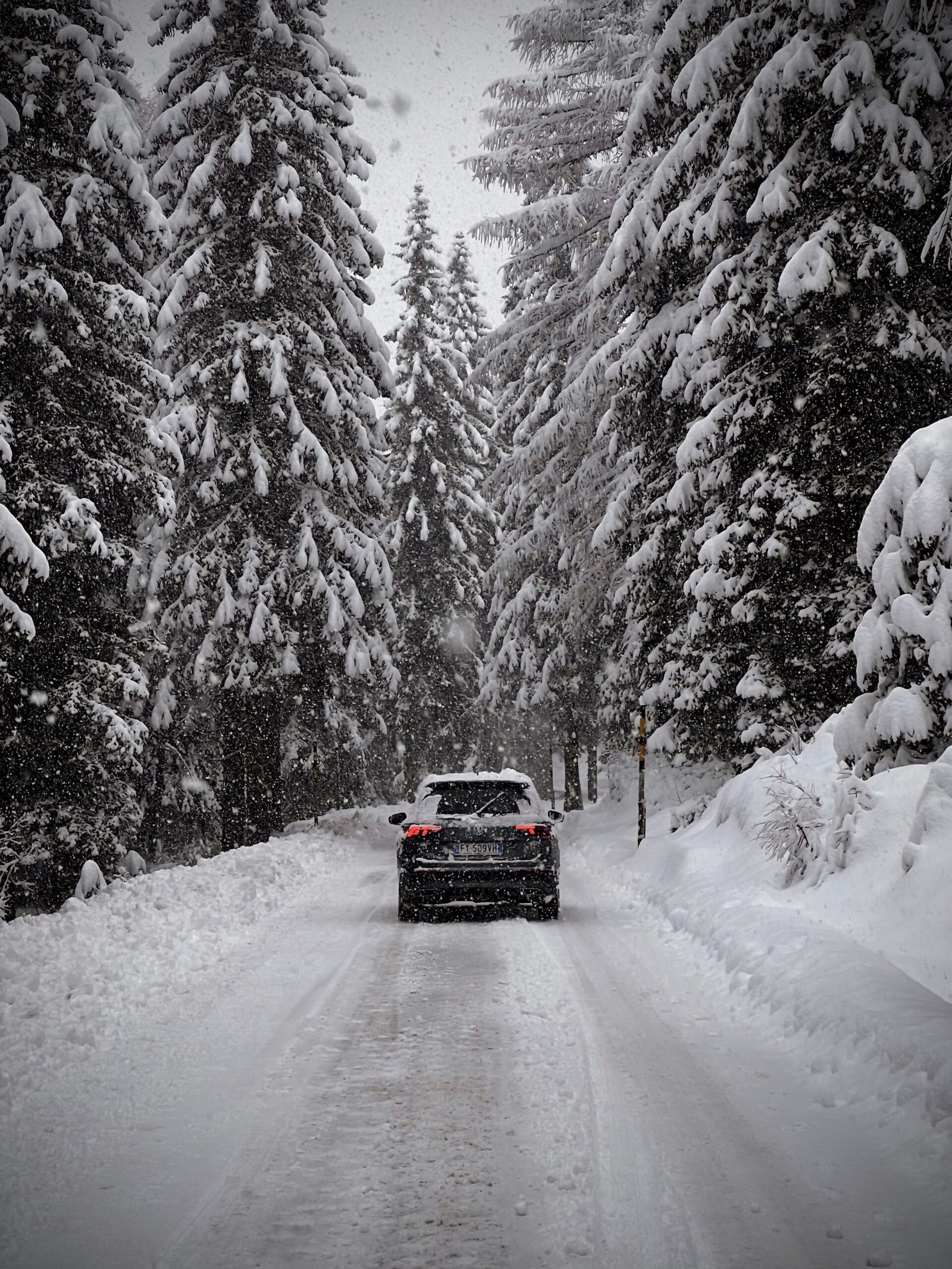
How to Drive in Snow: Calm Habits for Your First Canadian Winter
As an Amazon Associate I earn from qualifying purchases. Some links in this post go to Amazon and may earn me a small commission at no extra cost to you.
Last Updated on September 29, 2026 by Smarteryouu
⭐ How to Drive in Snow: Calm Habits for Your First Canadian Winter
The first snowfall always seems to catch someone off guard. Roads that felt ordinary yesterday suddenly feel slippery and unfamiliar, and even experienced drivers find themselves gripping the wheel a little tighter.
If you are learning how to drive in snow, the most useful thing to know is that it is not about special skills. It is about doing everything a little slower, a little gentler and a little earlier than you would in summer. Braking, steering, speeding up and changing lanes all become softer movements.
This guide walks through the habits that matter most, in plain language. It covers getting the car ready, reading the road, handling a skid calmly, and knowing when it is better not to go at all. None of it is complicated, and most of it becomes second nature within a few weeks.
Some links on this page are affiliate links. If you buy through one, this site may earn a small commission at no extra cost to you.

⭐ Why Does Snow Make Driving So Different?
Snow and ice reduce the grip between your tires and the road. With less grip, the car takes longer to stop, turns less sharply and loses traction more easily when you press the gas. That is why sudden movements that are harmless in summer can start a slide in winter.
Everything else in this guide follows from that one idea. Less grip means you need more space, more time and softer inputs. Once you think of winter driving as a question of grip, the right choices start to feel obvious.
Tires matter a great deal here. Ontario notes that all season tires are not the same as winter tires and can start to lose grip at around 7 degrees Celsius. We cover choosing between tire types, and running two sets, in our guide to tire maintenance after twenty Canadian winters.
⭐ Get the Car Ready Before You Pull Away
Winter driving starts before you leave the driveway. Clear all the snow and ice from your windows, mirrors, lights and roof. Snow left on the roof can slide down over the windshield when you brake, or blow off onto the car behind you.
Give yourself a few extra minutes in the morning so this never feels rushed. A good brush with a long handle makes the roof much easier to reach, and a scraper that actually fits your hand saves a lot of frustration on frosty mornings.
Keep your washer fluid topped up with a winter formula rated for very low temperatures. Salt spray from other cars can cover your windshield in seconds, and you will use far more fluid in January than in July.
Try to keep the fuel tank at least half full through the winter. It adds a little weight and means you are never stuck worrying about a low tank in a storm or a long traffic delay. A fall checkup is worth booking too, and our car maintenance guide for beginners covers the battery, fluids and wipers that matter most once it turns cold.
Finally, keep a small winter kit in the trunk. Our list of automobile essentials you actually need covers what earns a permanent place in the car, from a blanket to jumper cables.
⭐ Slow Down and Soften Every Movement
The most common cause of winter collisions is simply going too fast for the conditions. The posted limit is the maximum for good weather, not a target for a snowy evening.
Think of every control as needing a lighter touch. Press the gas gently when pulling away from a light so the tires do not spin. Brake earlier and more gradually than you normally would. Turn the wheel smoothly rather than quickly.
Avoid using cruise control on wet, snowy or icy roads. It can make it harder to react quickly and keeps the car pushing forward when you would naturally ease off.
Leave much more space between you and the car ahead. In winter it takes noticeably longer to stop, and that extra gap is what gives you time to slow down calmly instead of braking hard.
If you drive a hybrid or a car with a smooth continuously variable transmission, the same rules apply. Gentle is always better on slippery roads, whatever is under the hood. More car guides like this one are gathered in our Automobiles Essentials section.
⭐ What Should You Do If Your Car Starts to Skid?
Stay calm, take your foot off the brake and the gas, and steer gently in the direction you want the car to go. Avoid turning the wheel too far, since overcorrecting can make the car spin. As the tires regain grip, straighten the wheel and continue slowly.
It sounds simple, but the natural instinct in a skid is to slam on the brakes, and that usually makes it worse. Locked or sliding tires cannot steer. Releasing the pedals lets them start rolling and gripping again.
Most modern cars have antilock brakes. If you need to stop hard, press the brake firmly and keep holding it. You may feel a pulsing or hear a grinding sound through the pedal. That is the system working as designed, so keep your foot down and keep steering where you want to go.
The best skid is the one that never starts. Slower speeds, softer movements and more space ahead make skids far less likely in the first place.
⭐ How Can You Tell When the Road Is Icy?
Watch the colour of the road surface. In winter, dry asphalt tends to look grey or white. If a patch looks black and shiny, it may be covered in ice. Shaded areas, bridges and overpasses usually freeze before the rest of the road, so ease off before you reach them.
Black ice is hard to see, which is why it catches so many drivers. It forms when a thin layer of water freezes clear on the road, often early in the morning or after sunset when temperatures dip.
Listen as well as look. If the usual road noise from your tires suddenly goes quiet, the surface may have changed. That is a good moment to lift off the gas gently and keep the wheel steady.
Temperatures around the freezing point deserve extra care. A road that was wet at lunchtime can be glazed with ice by the evening commute.
⭐ Practice Somewhere Empty First
Most people learn how their car behaves in snow in the middle of traffic, which is the worst possible classroom. A quiet, empty parking lot after a fresh snowfall is far better.
With nobody around, try braking gently at low speed and notice how much further the car travels. Feel what it is like when the tires start to slip as you pull away. If your car has antilock brakes, press the brake firmly once at a slow speed so the pulsing feeling is familiar rather than alarming.
Only do this where you have permission and plenty of open space, well away from light posts, curbs and other cars. Ten minutes is usually enough to build a lot of confidence.
It also helps to learn where your car’s controls are without looking. Know how to switch on the rear defroster, the front defrost setting and the full headlights, so you are never searching for a button while the windshield fogs up.
⭐ When Is It Better Not to Drive at All?
If the forecast calls for freezing rain or a heavy storm and your trip can wait, wait. Delaying by a few hours often means driving on cleared, salted roads instead of fresh snow. In Ontario, the 511 service shows road conditions and where plows are working.
Before any winter trip, check the weather and the road conditions, even for a short drive. Let someone know your route if you are travelling any distance.
If conditions become dangerous while you are already driving, find a safe place to pull over and wait for things to improve. Use your full lights in poor visibility so other drivers can see you.
Give snowplows plenty of room. Stay well back from any plow with flashing blue lights, and never try to pass one. The road behind a plow is usually the best road around, and a few minutes of patience is always worth it. For longer winter journeys, our road trip must haves after twenty years of Canadian driving is worth a look before you leave.
⭐ Best Sellers
Top Products and Picks
Three simple things that make winter mornings and snowy days easier, all small enough to live in the car.
Before every winter drive
AstroAI 27 Inch Snow Brush and Ice Scraper
For clearing the whole car, roof included, before you pull away. The brush head detaches from the scraper, so it stores easily in the trunk. Linked here is the orange version, which is easy to find in a dark trunk.
Check price on AmazonOnce a month in the cold
AstroAI Digital Tire Pressure Gauge
For checking pressure when the temperature drops, since cold air lowers it. A clear backlit screen makes it easy to read in a dark garage. Compare the reading with the sticker inside your driver door.
Check price on AmazonFor the day you get stuck
72HRS Collapsible Aluminum Snow Shovel
For digging out around the tires after a plow ridge or a deep drift. It folds down small enough to live in the trunk all winter. Buy it before the first storm rather than after.
Check price on Amazon⭐ Final Thoughts
Driving in winter is less about bravery and more about patience. The drivers who get through the season calmly are usually the ones who leave a little earlier, go a little slower and give everyone a little more room.
Start with the basics. Clear the whole car, soften every movement, and leave plenty of space ahead. If a skid ever happens, ease off and steer where you want to go. And on the worst days, remember that staying home is always a perfectly good choice.
Give yourself time to learn how your car feels on snow, ideally somewhere empty before you need it on a busy road. Within a few weeks, most of this becomes habit, and the first snowfall of the season stops feeling like a surprise.
⭐ Additional Resources
Government of Ontario: Winter driving covers getting a vehicle ready, winter tires and safe driving in snow and ice, including how to share the road with snowplows.